MCP3008: Reference Voltage, Source Resistance and a Real Acquisition Window
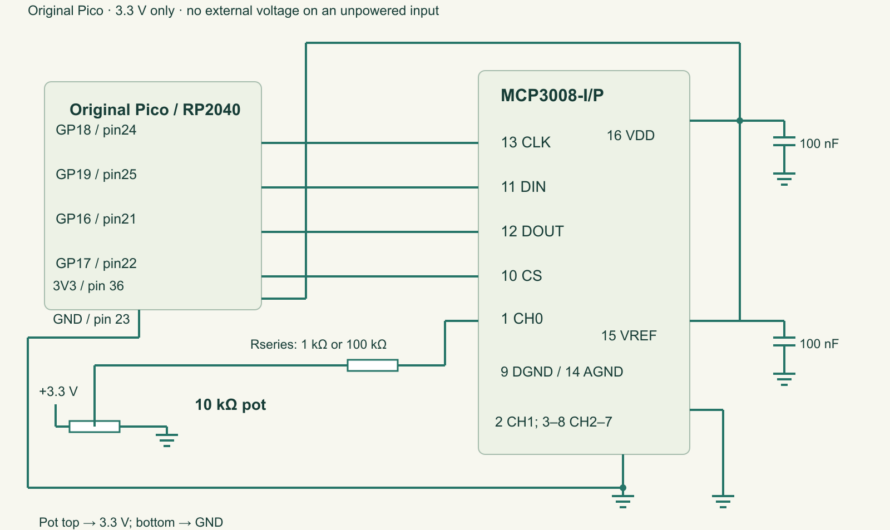
Read an MCP3008 with a Pico, compare first and repeated samples, and learn why a slow print loop cannot fix a high-resistance source during acquisition.
Unravel the Mystery of Electronics
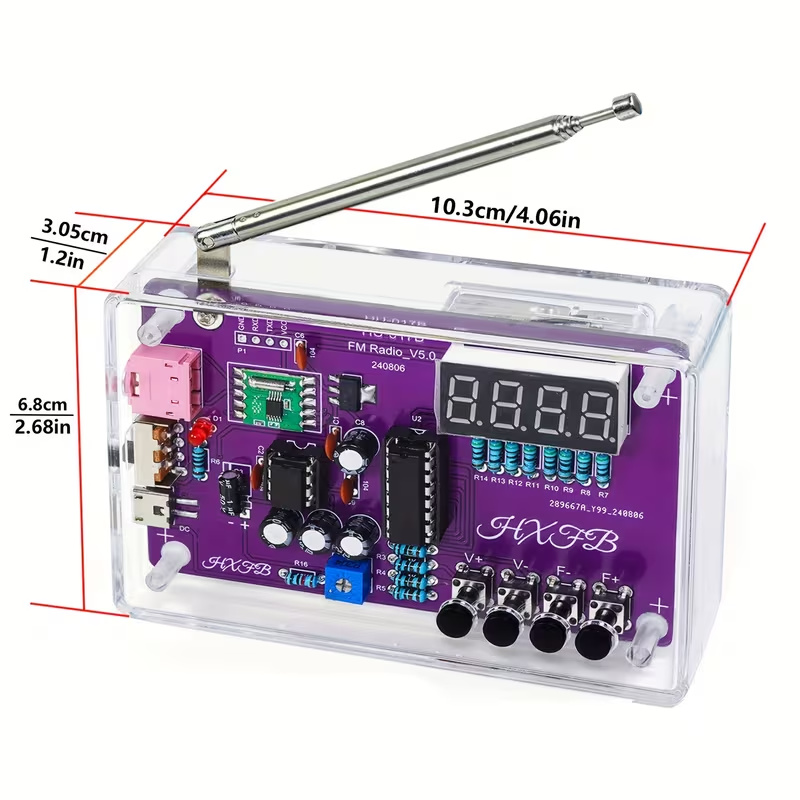
Soldering required. Check the supplied parts and board revision.
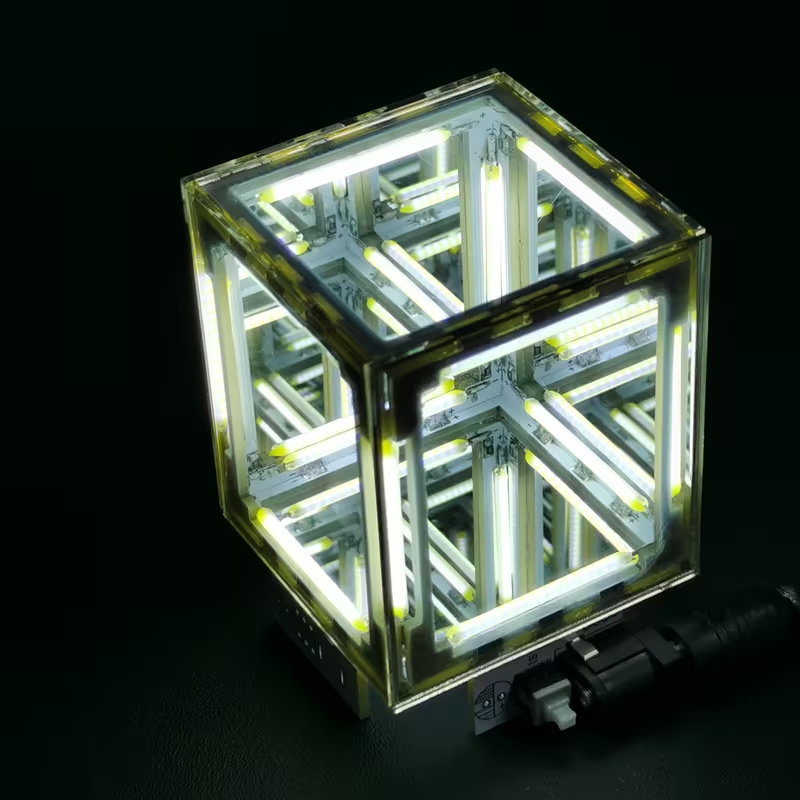
Listing specifies 5-volt direct current. Soldering required; battery and glue not included.
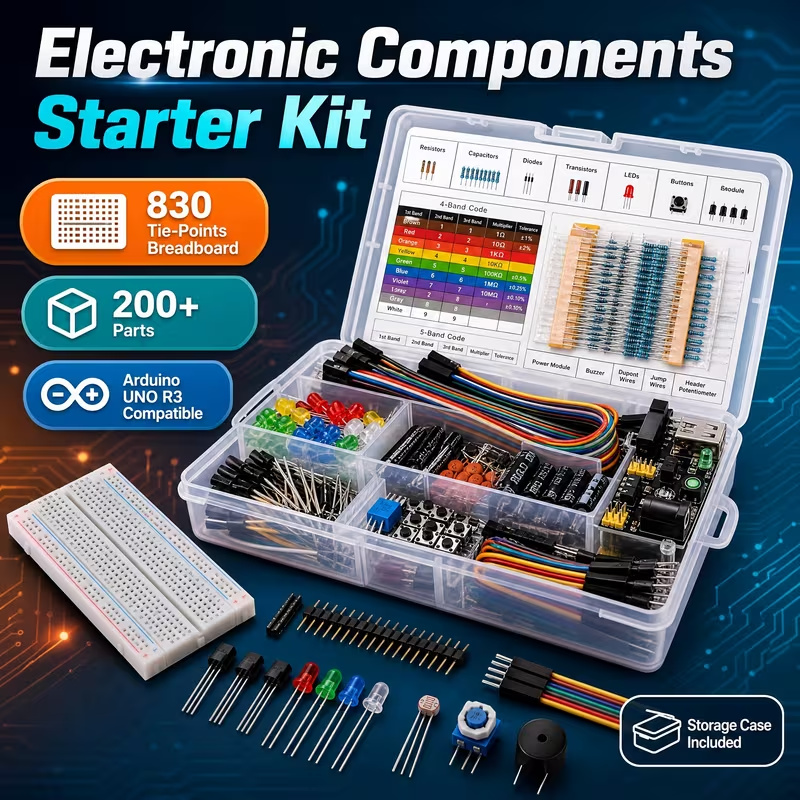
Breadboard, wires and assorted parts. Arduino controller board not included.
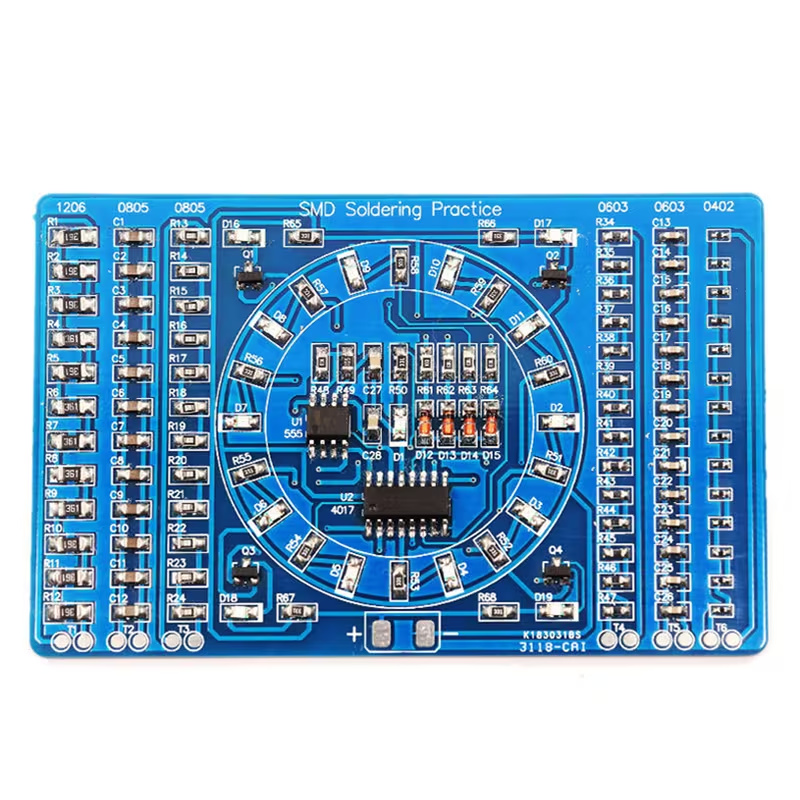
Surface-mount soldering practice. Battery and battery holder not included.
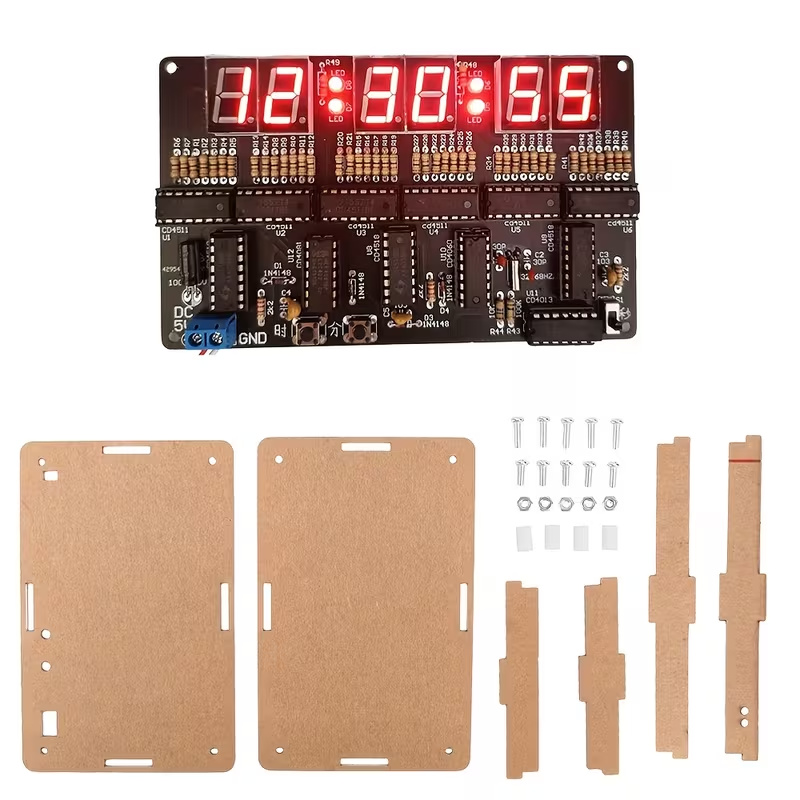
Clock-and-case project kit. Soldering required; check included parts and power requirements.
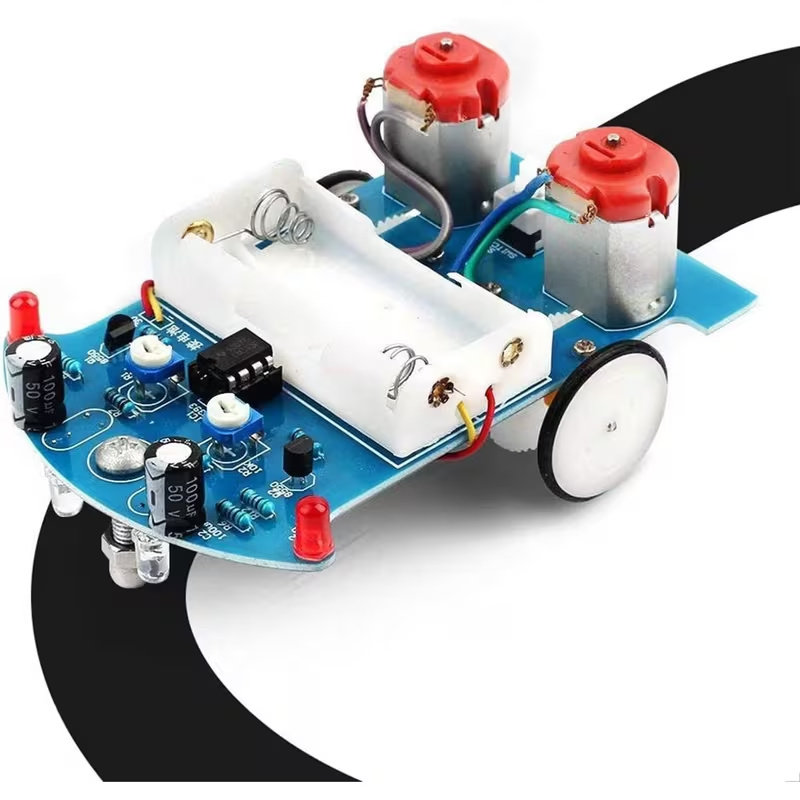
Soldering and assembly required. Check battery and track requirements before buying.
Tricky Circuit may earn a commission through these links. Product ideas have not been bench-tested by Tricky Circuit and are not verified lesson parts lists.
Read an MCP3008 with a Pico, compare first and repeated samples, and learn why a slow print loop cannot fix a high-resistance source during acquisition.
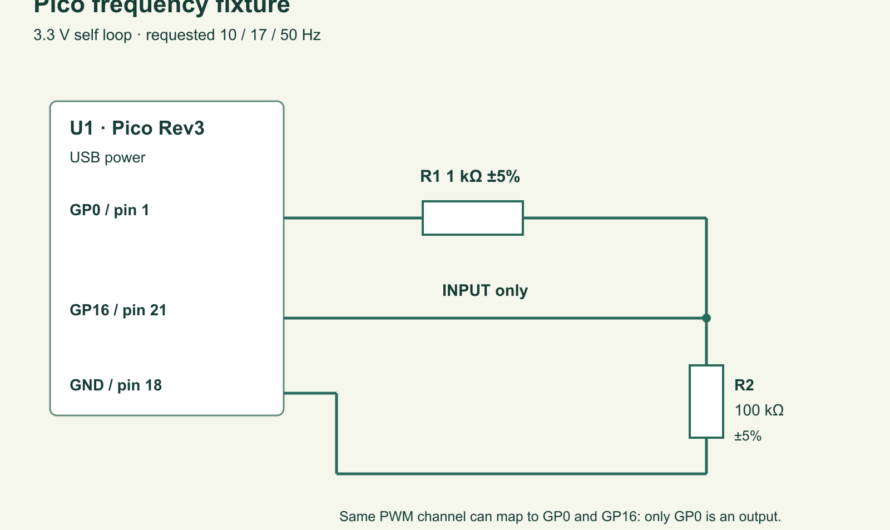
Compare edge counts and reciprocal periods with a Pico loopback fixture. Learn counting steps, sampling-gap refusals and why a shared clock cannot calibrate itself.
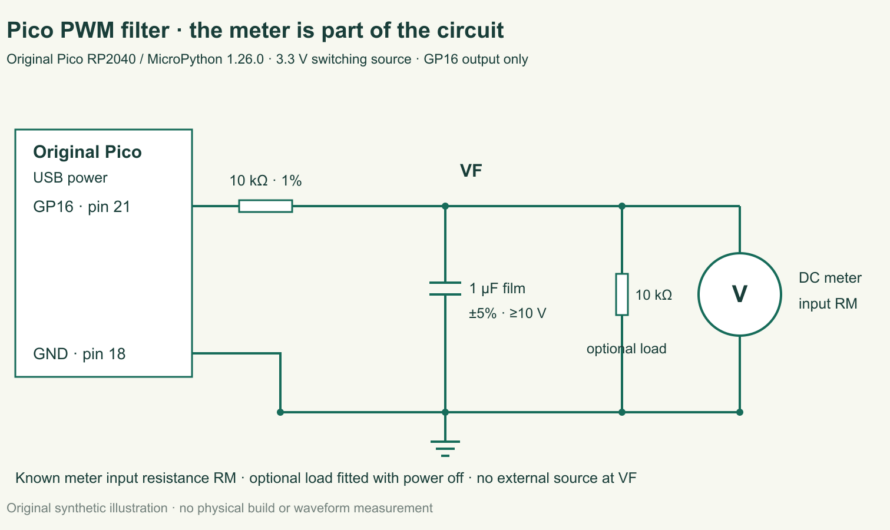
Derive exact exponential PWM-filter ripple, include the meter as a load, and compare 1 kHz with 10 kHz using a complete Pico trial and ideal calculator.
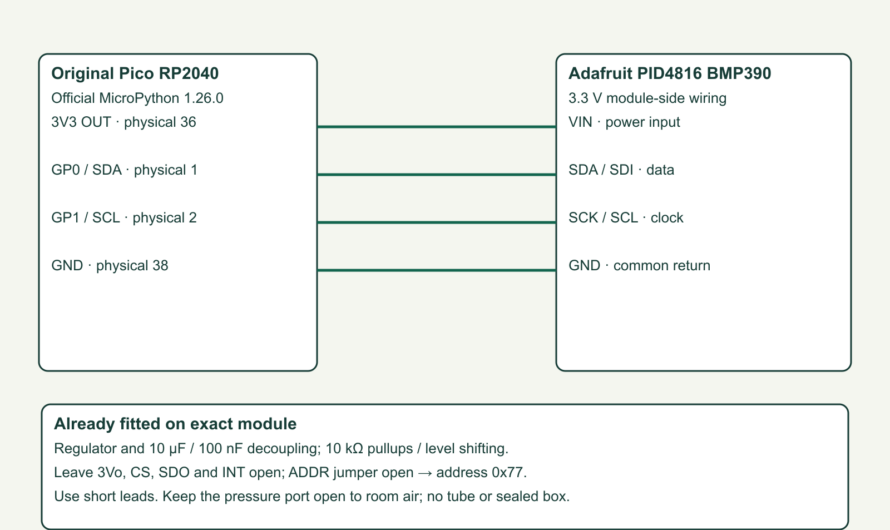
Read fresh BMP390 pressure with a complete Pico driver. Track a short-lived local reference and show why weather, heating and air models prevent an automatic exact height.
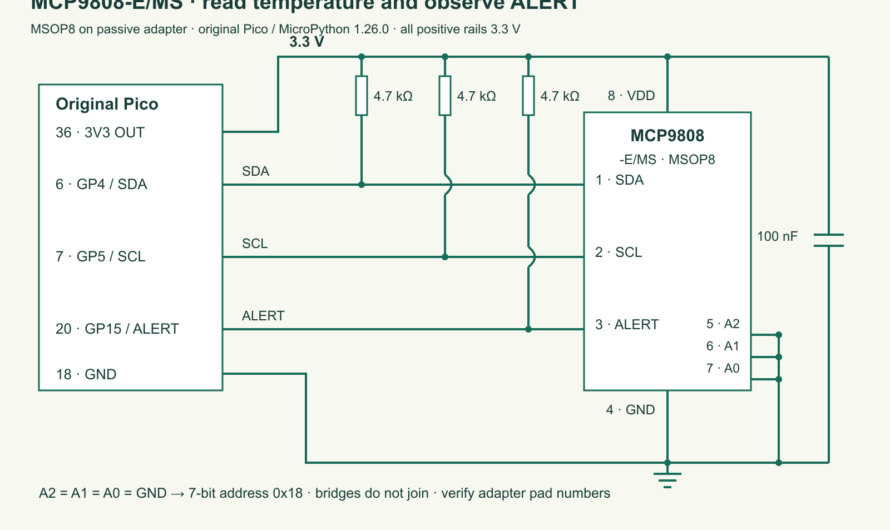
Compare MCP9808 window alarms, hysteresis and manual interrupt acknowledgement while reading temperature flags, CONFIG status and the physical ALERT wire separately.
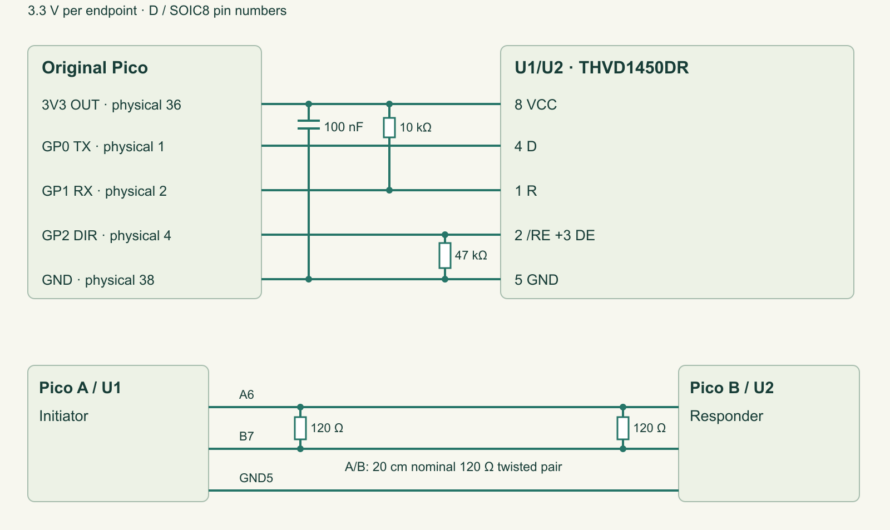
Build a short THVD1450/Pico link and separate UART queuing, transmit completion and a matching reply. Full code, termination calculations and direction-cleanup fault tests.
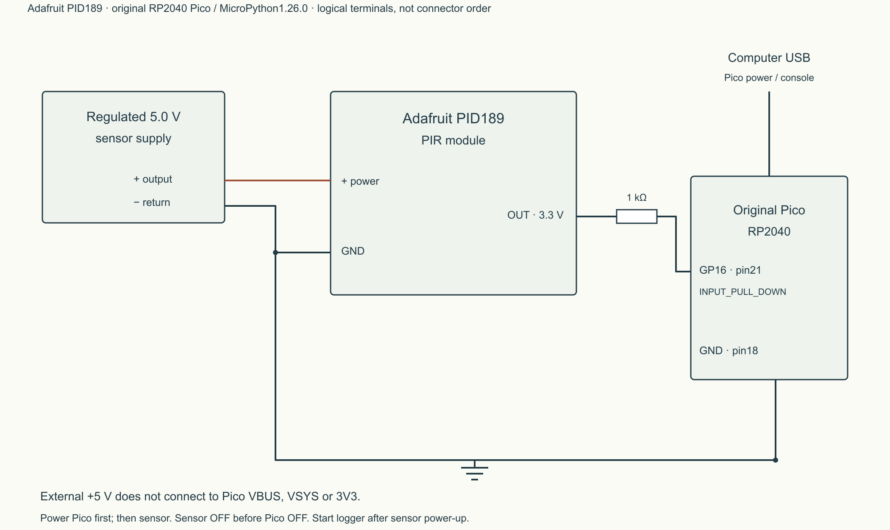
Measure PIR output intervals with a Pico while separating startup, H/L retriggering and software qualification—and never turn pulses into a people count.
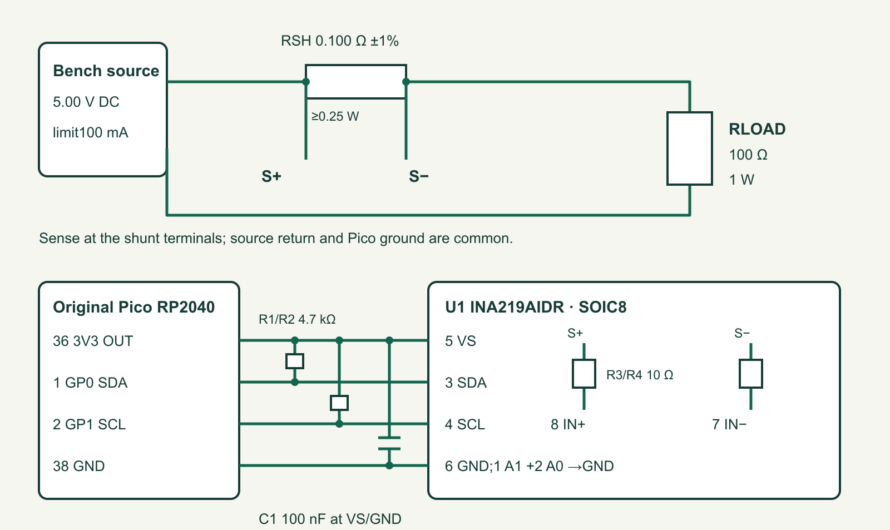
Build a calibration-aware INA219AIDR current monitor. Check raw shunt voltage, one-shot conversion readiness and reset faults before treating zero as a measurement.
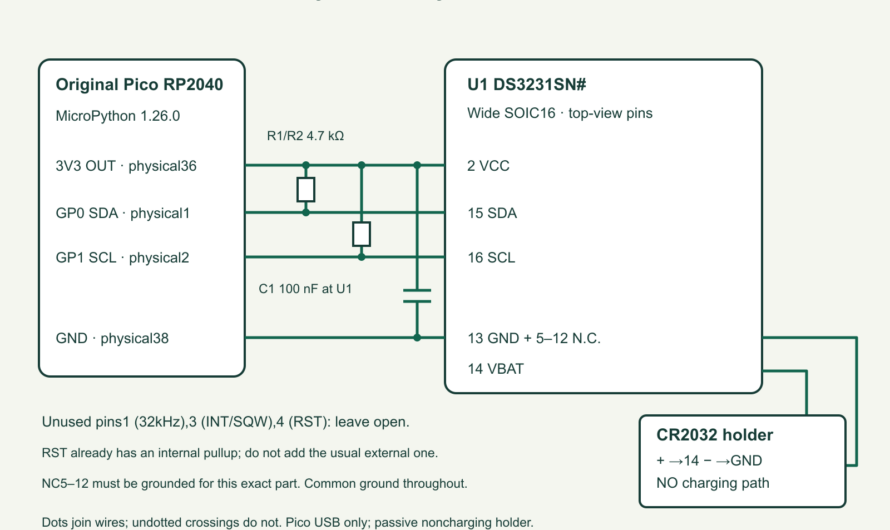
Build a DS3231SN# validity lab. Decode real calendar bytes, preserve alarm flags and separate oscillator history from a time source you actually recorded.
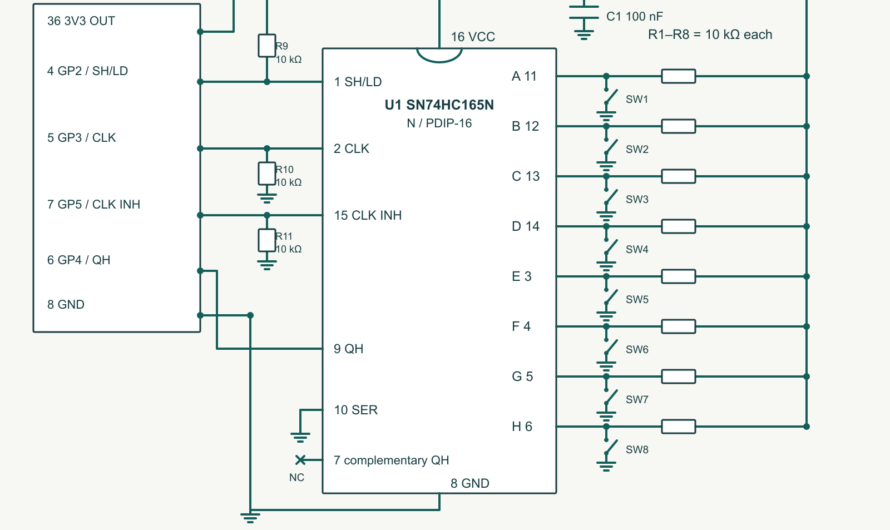
Capture eight button states with a 3.3 V SN74HC165N, read H before the first clock, and expose the extra-shift trap on CLK INH.
Explore these do-it-yourself project kits. Check the selected option, included parts and instructions on each offer.
Tricky Circuit may earn a commission if you buy through these Temu affiliate links. These are product ideas; they have not been bench-tested by Tricky Circuit and are not verified lesson parts lists.
Supplier product photo
Soldering required. Check the supplied parts and board revision.
Supplier product photo
Listing specifies 5-volt direct current. Soldering required; battery and glue not included.
Supplier product photo
Breadboard, wires and assorted parts. Arduino controller board not included.
Supplier product photo
Surface-mount soldering practice. Battery and battery holder not included.
Supplier product photo
Clock-and-case project kit. Soldering required; check included parts and power requirements.
Supplier product photo
Soldering and assembly required. Check battery and track requirements before buying.