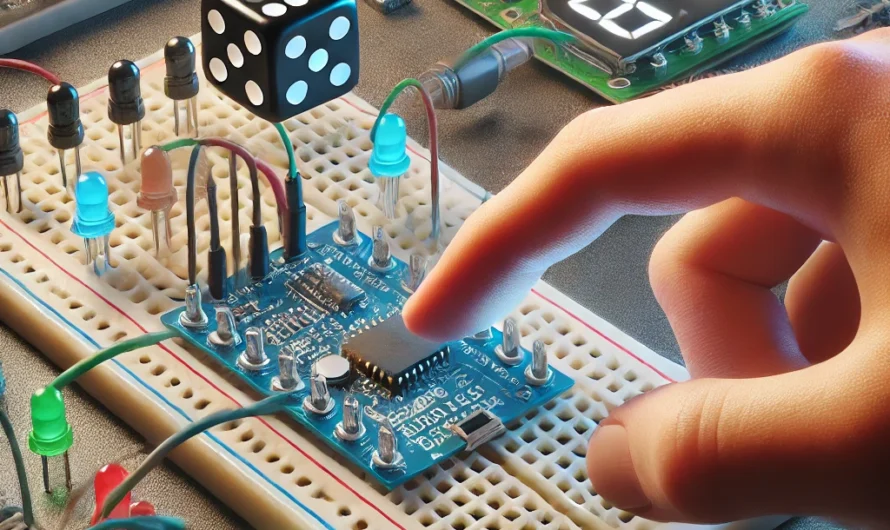
Simulating dice throwing on ATtiny
🔧 GOAL: 🧠 HOW DOES IT WORK? Instead of controlling each LED separately, we treat each number (1–6) as a predefined pattern, and reuse the …
Unravel the Mystery of Electronics
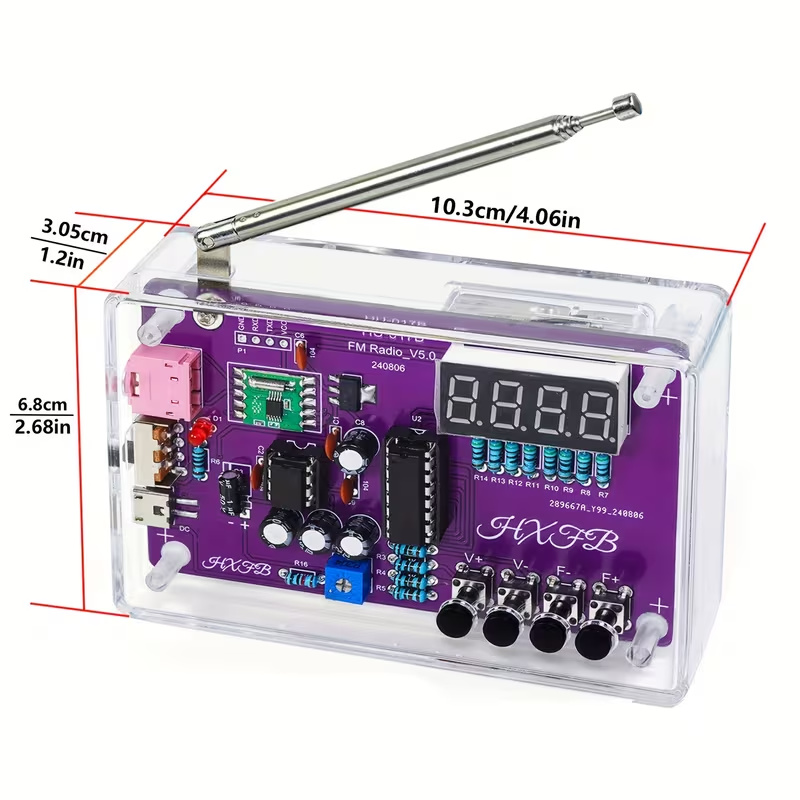
Soldering required. Check the supplied parts and board revision.
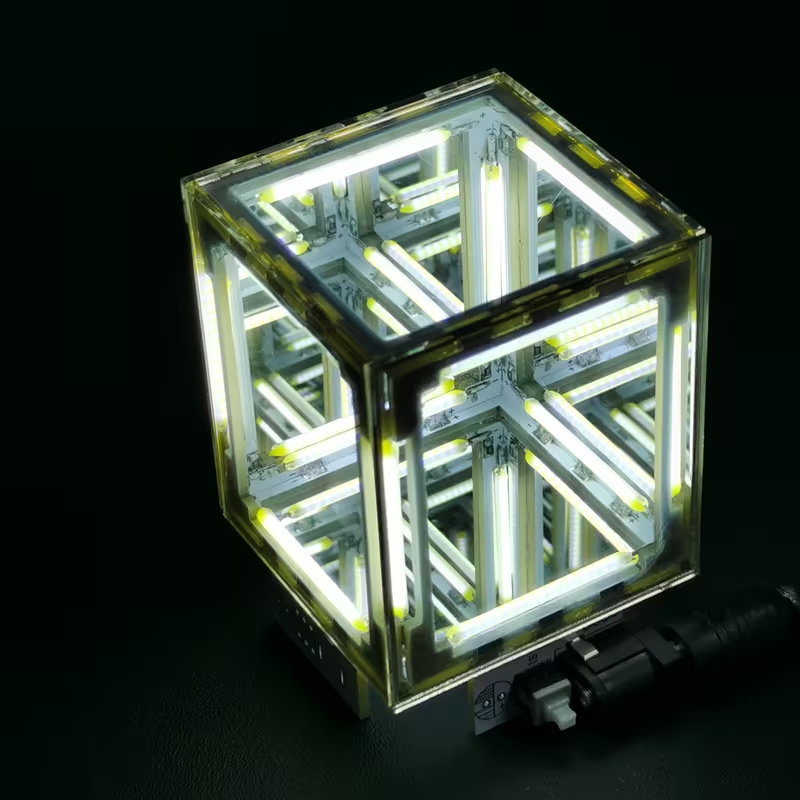
Listing specifies 5-volt direct current. Soldering required; battery and glue not included.
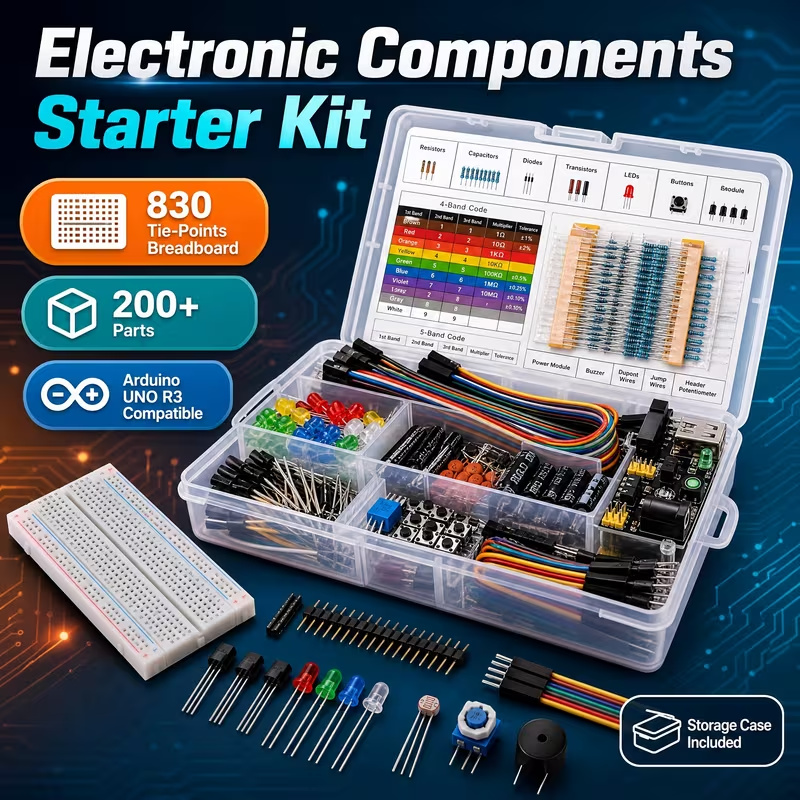
Breadboard, wires and assorted parts. Arduino controller board not included.
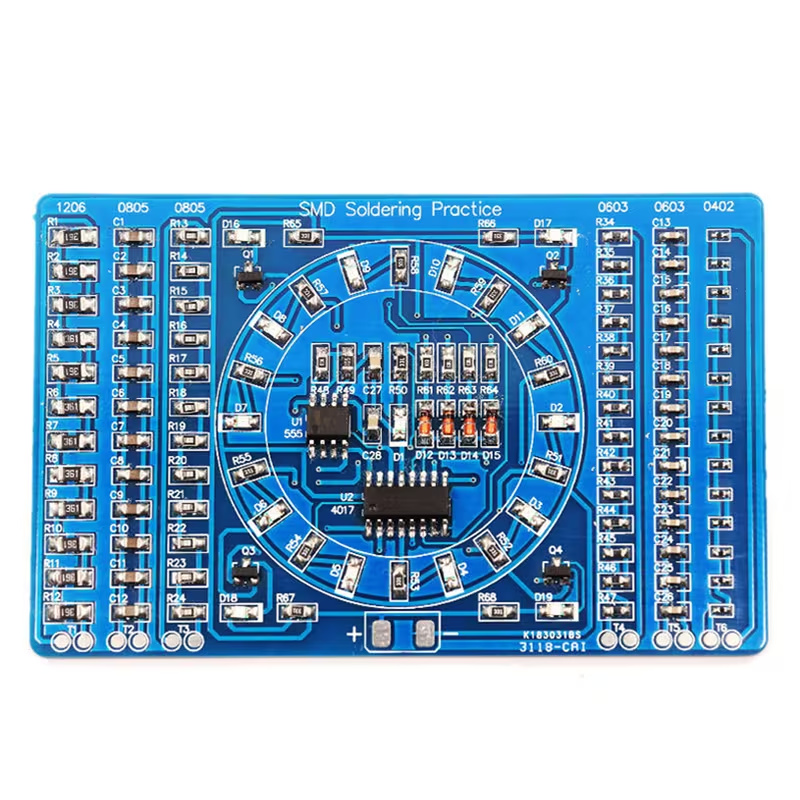
Surface-mount soldering practice. Battery and battery holder not included.
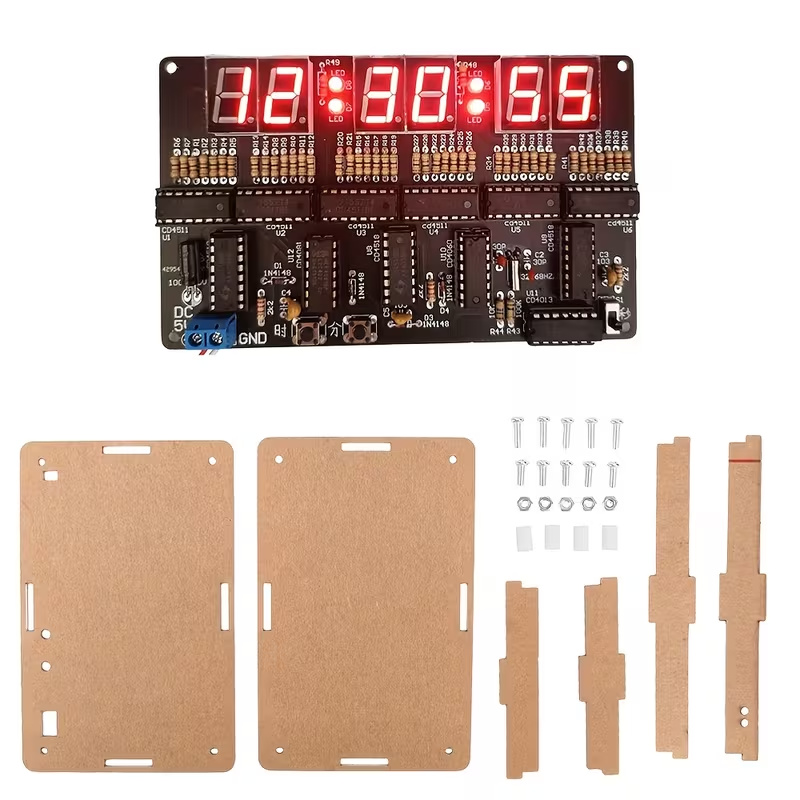
Clock-and-case project kit. Soldering required; check included parts and power requirements.
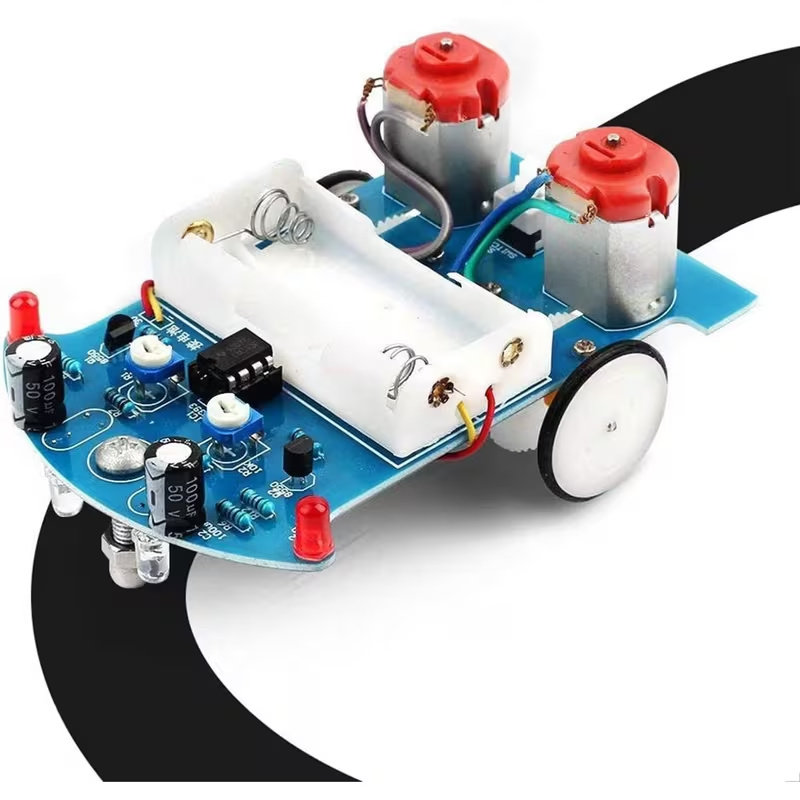
Soldering and assembly required. Check battery and track requirements before buying.
Tricky Circuit may earn a commission through these links. Product ideas have not been bench-tested by Tricky Circuit and are not verified lesson parts lists.
🔧 GOAL: 🧠 HOW DOES IT WORK? Instead of controlling each LED separately, we treat each number (1–6) as a predefined pattern, and reuse the …
1. Servo.h 🤖🦾 2. LiquidCrystal.h 📺✨ 3. SoftwareSerial.h 🔄📡 4. Stepper.h 🛞⚙️ 5. EEPROM.h 💾📝 🚩 Libraries Not Supported: Tinkercad does not support custom or …
📌 What is EasyEDA? EasyEDA is a cloud-based electronic circuit and PCB design tool that makes creating schematics, designing PCBs, and even ordering manufactured boards …
Technology is evolving faster than ever in robotics, electronics, and 3D printing, and 2025 brings a new wave of AI-powered tools, cloud-based automation, and next-gen …
If you want to design robot parts, wheels, enclosures, gears, mechanical components, artistic models, or even entire humanoid robots, 3D modeling software is where the …
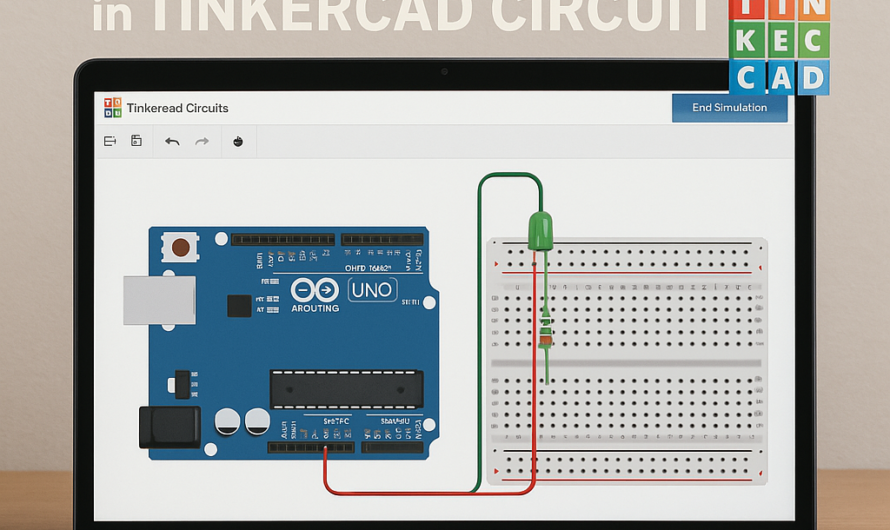
Tinkercad Circuits is a powerful tool for designing, simulating, and testing electronics projects. Whether you’re learning Arduino, prototyping circuits, or designing projects, it’s a great way to test ideas before building them physically.
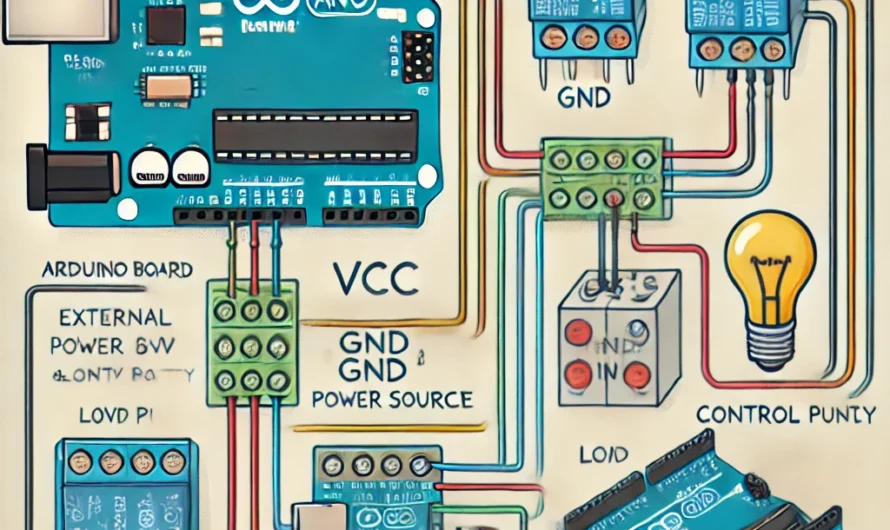
1️⃣ Components Needed 2️⃣ Schematic Diagram Here’s how to wire these components: Details of Connections: Additional Components: 3️⃣ Code Snippet for Arduino To control the …
By mastering these basics, you’ll have a solid foundation to tackle more complex topics in C++. Practice each concept thoroughly and try to implement small programs that use these fundamentals to deepen your understanding.
Using C++ for microcontroller programming effectively marries the language’s powerful features with the specific needs of embedded systems, such as direct hardware interaction and real-time performance. This approach allows for the development of more complex and reliable embedded applications.
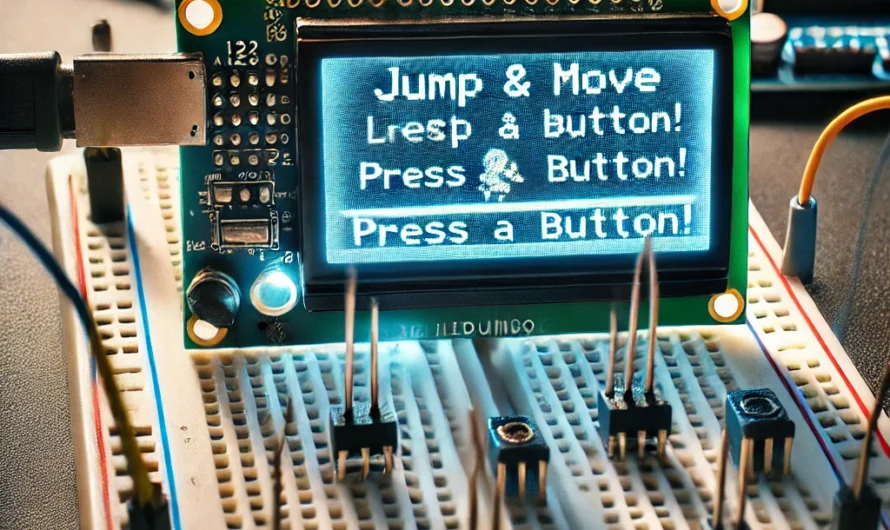
Adding a scoring system not only makes the game more challenging but also provides players with a quantitative measure of their skill or progress.
Explore these do-it-yourself project kits. Check the selected option, included parts and instructions on each offer.
Tricky Circuit may earn a commission if you buy through these Temu affiliate links. These are product ideas; they have not been bench-tested by Tricky Circuit and are not verified lesson parts lists.
Supplier product photo
Soldering required. Check the supplied parts and board revision.
Supplier product photo
Listing specifies 5-volt direct current. Soldering required; battery and glue not included.
Supplier product photo
Breadboard, wires and assorted parts. Arduino controller board not included.
Supplier product photo
Surface-mount soldering practice. Battery and battery holder not included.
Supplier product photo
Clock-and-case project kit. Soldering required; check included parts and power requirements.
Supplier product photo
Soldering and assembly required. Check battery and track requirements before buying.