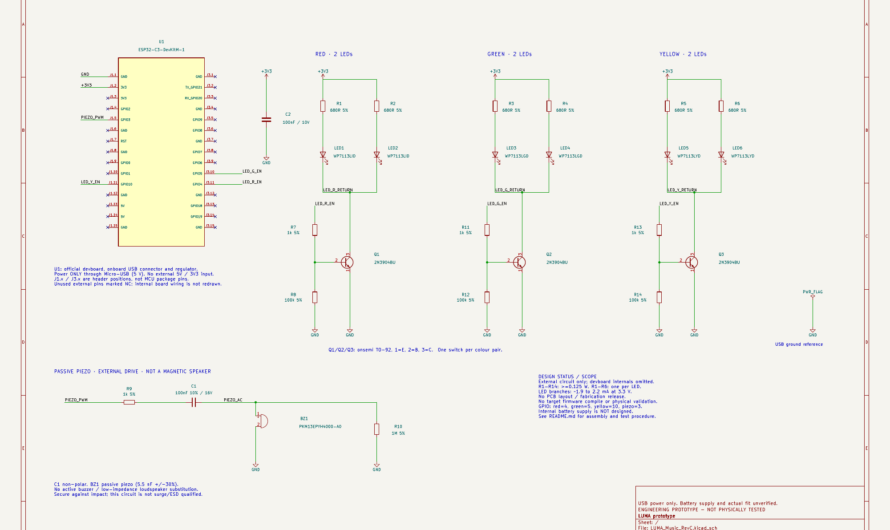
LUMA Music: Jingle Bells and Three Independent Colour Groups
Play Jingle Bells on an ESP32-C3 passive piezo with six LEDs in three independent colour pairs. Rev C includes a complete schematic, code and English simulation.
Unravel the Mystery of Electronics
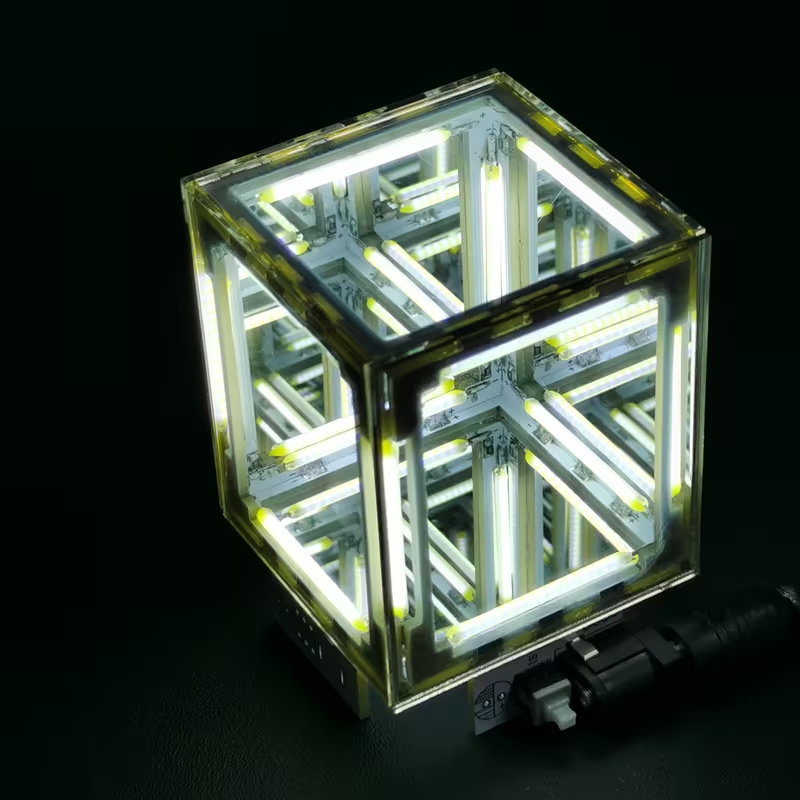
Soldering required. Check the supplied parts and board revision.
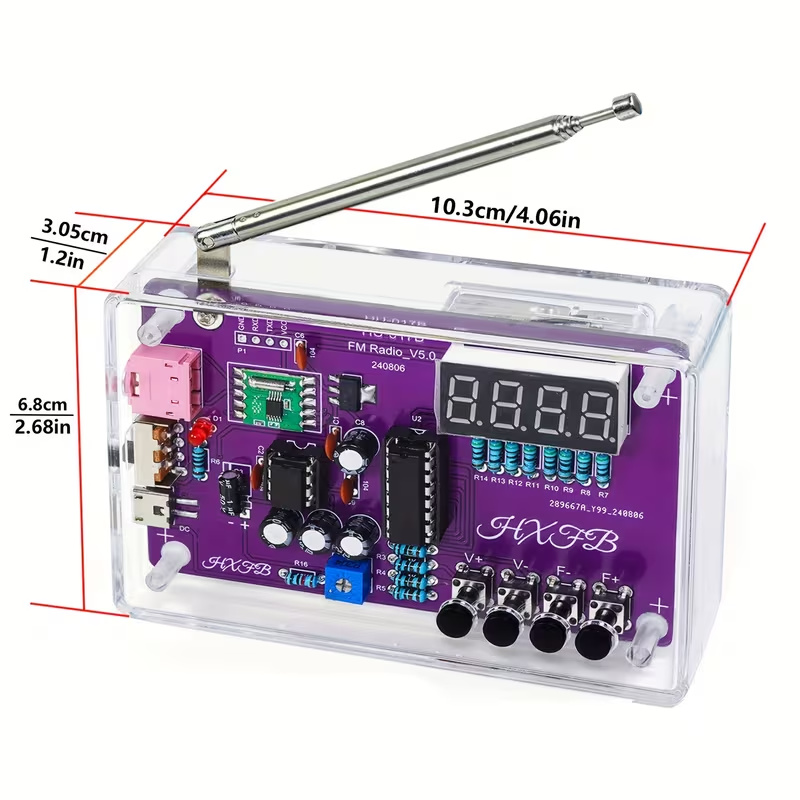
Listing specifies 5-volt direct current. Soldering required; battery and glue not included.
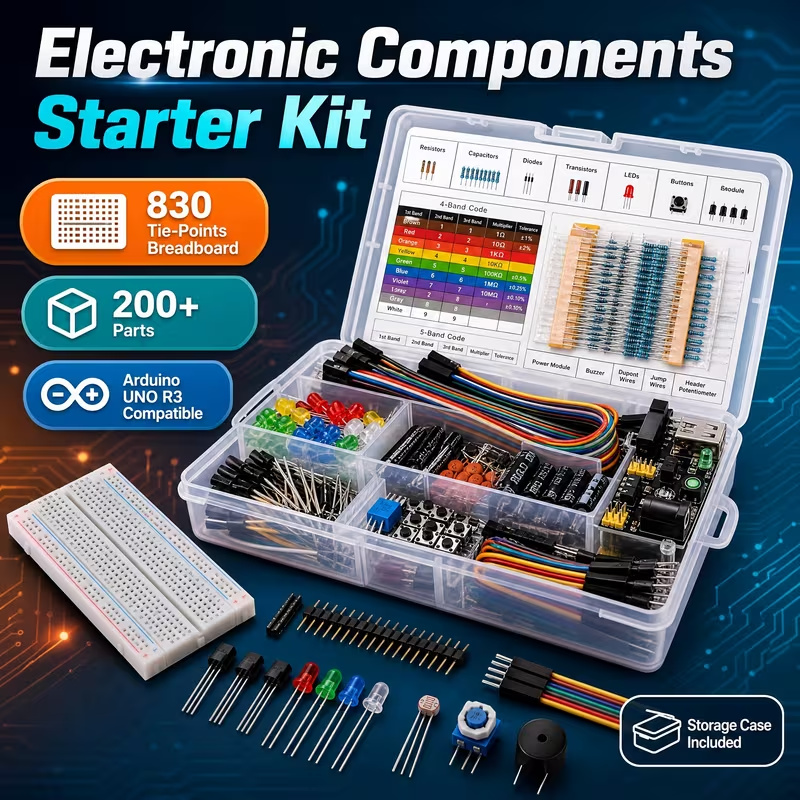
Breadboard, wires and assorted parts. Arduino controller board not included.
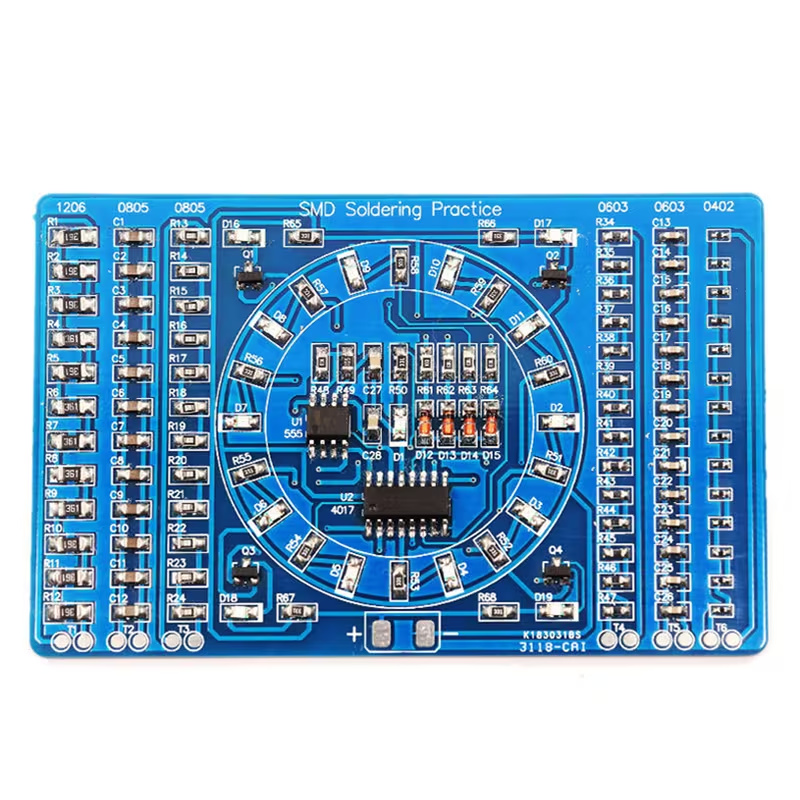
Surface-mount soldering practice. Battery and battery holder not included.
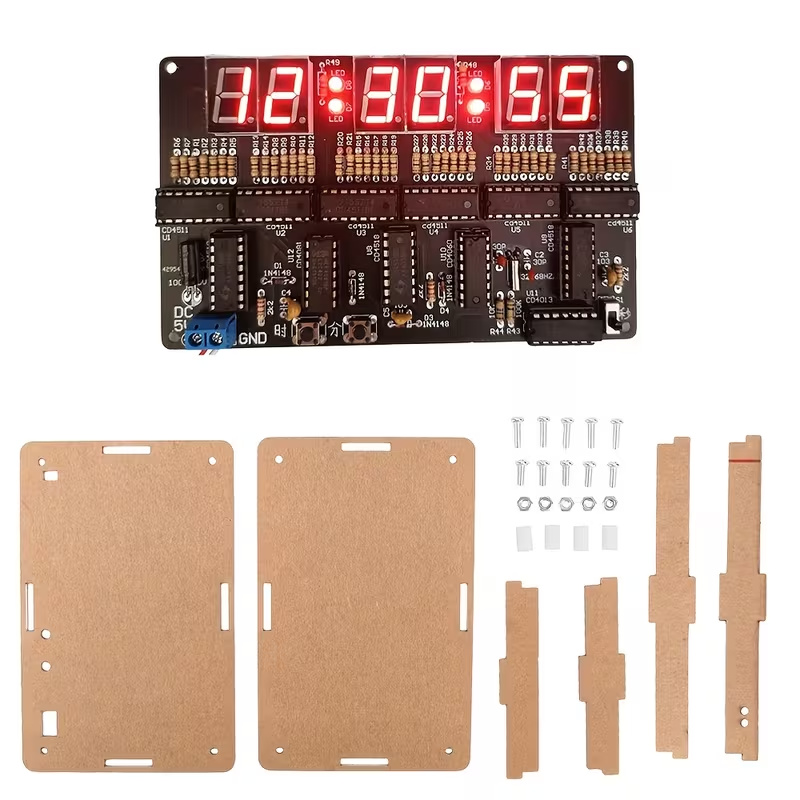
Clock-and-case project kit. Soldering required; check included parts and power requirements.
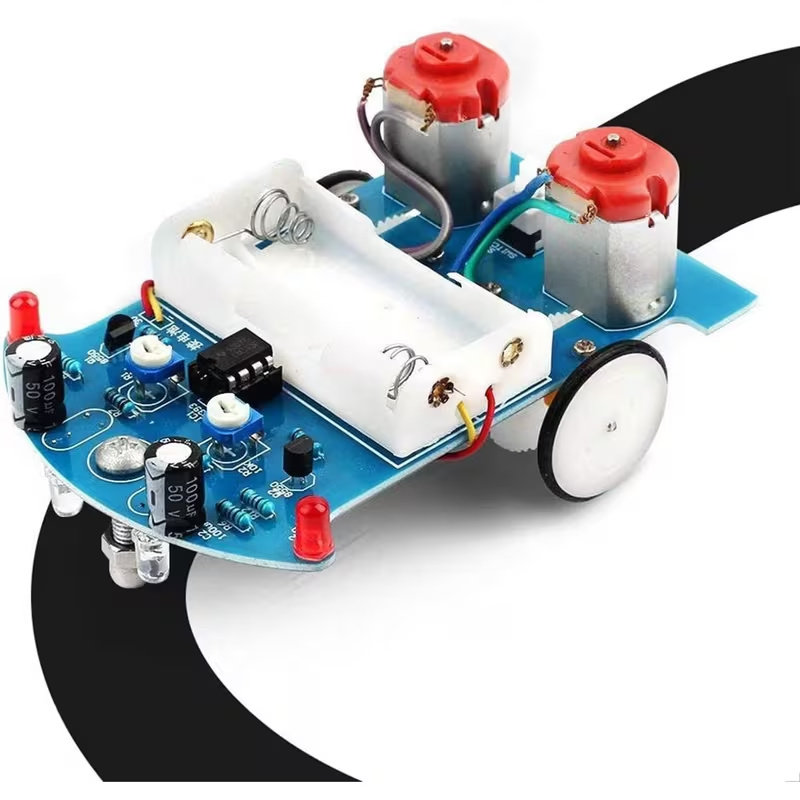
Soldering and assembly required. Check battery and track requirements before buying.
Tricky Circuit may earn a commission through these links. Product ideas have not been bench-tested by Tricky Circuit and are not verified lesson parts lists.
Play Jingle Bells on an ESP32-C3 passive piezo with six LEDs in three independent colour pairs. Rev C includes a complete schematic, code and English simulation.
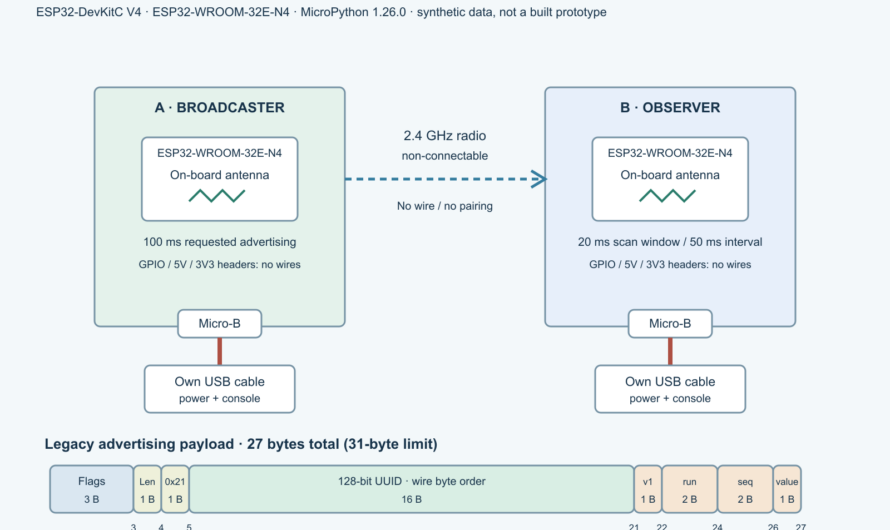
Build an ESP32 BLE broadcaster and observer that distinguish repeated packets from advancing observations, with bounded buffering, full code and explicit freshness limits.
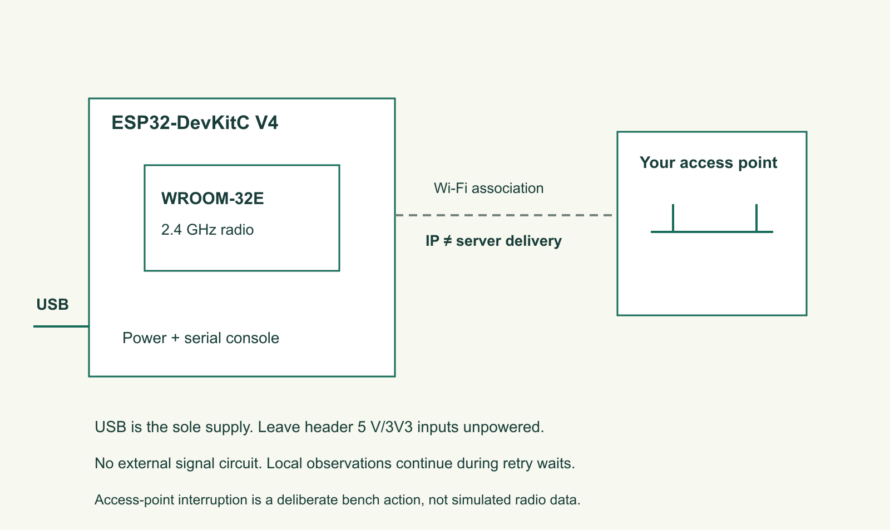
Keep local ESP32 observations visible while Wi-Fi association fails. Use four attempts, explicit waits, a terminal authentication state and a finite run without claiming server delivery.
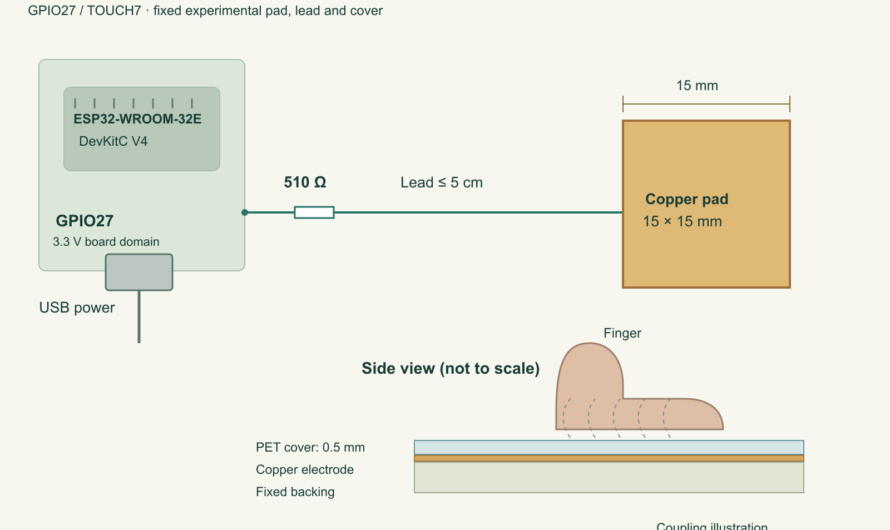
Build an ESP32 touch pad that freezes its baseline during touch candidates and a held touch. Full code separates slow drift, hysteresis and latched read faults.
Test BH1750 placement with a fixed lamp and A–B–A trials. Full ESP32 code rejects clipping, bus faults and shifting baselines before comparing angles or a clear window.
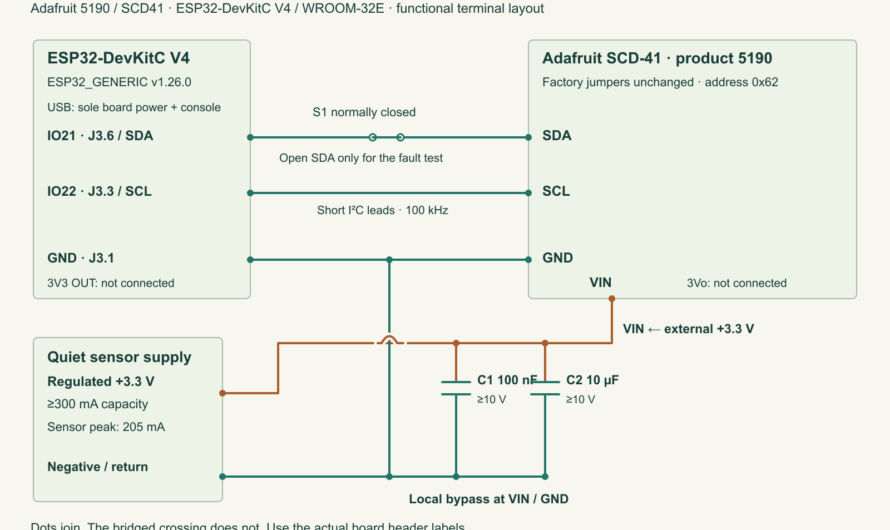
Build an ESP32/SCD41 CO₂ monitor that separates startup, warm-up, fresh results, stale data and fault recovery. Includes full MicroPython code and original diagrams.
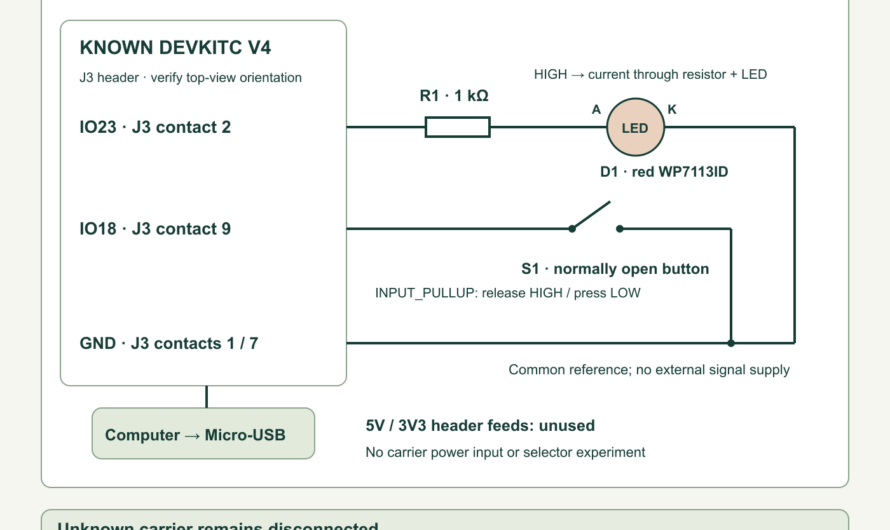
Identify an ESP32 terminal carrier before powering it. Map an unpowered board, then run a complete button-and-LED baseline on a documented ESP32-DevKitC V4.
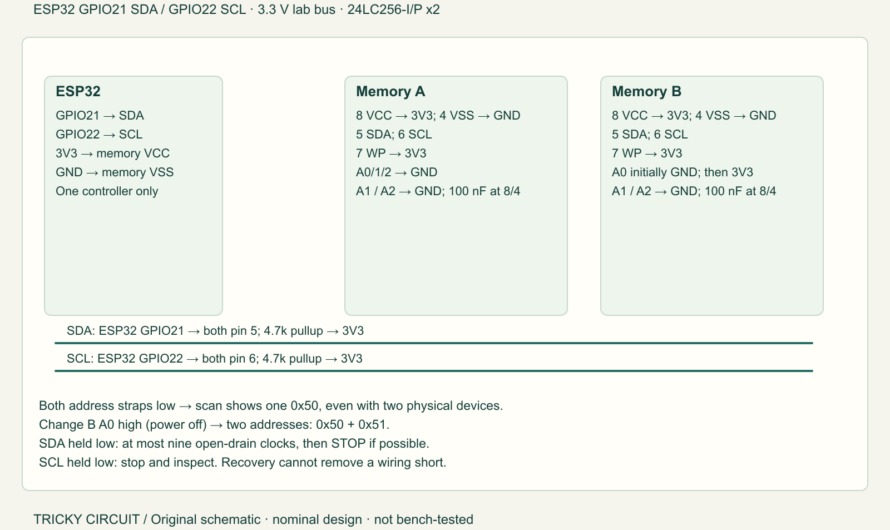
Inspect a 3.3 V I2C test bus before scanning. Separate missing acknowledgements from stuck lines, demonstrate address collisions and attempt bounded open-drain recovery.
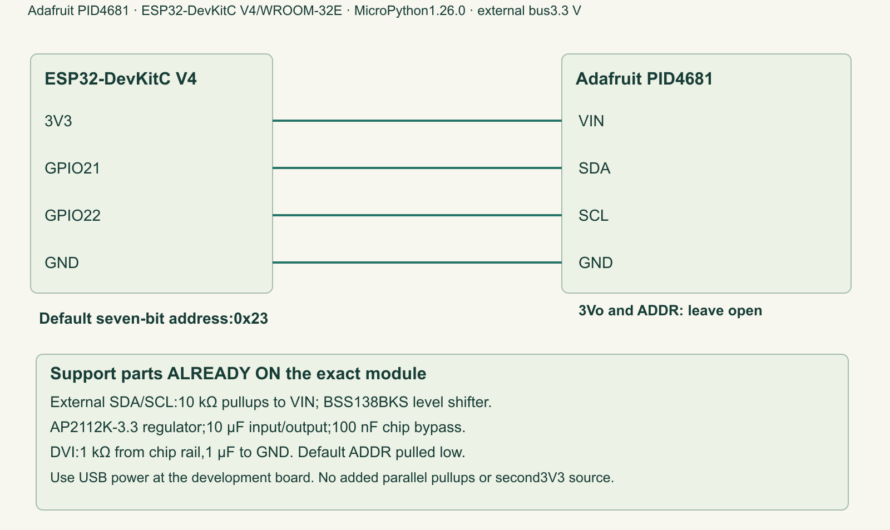
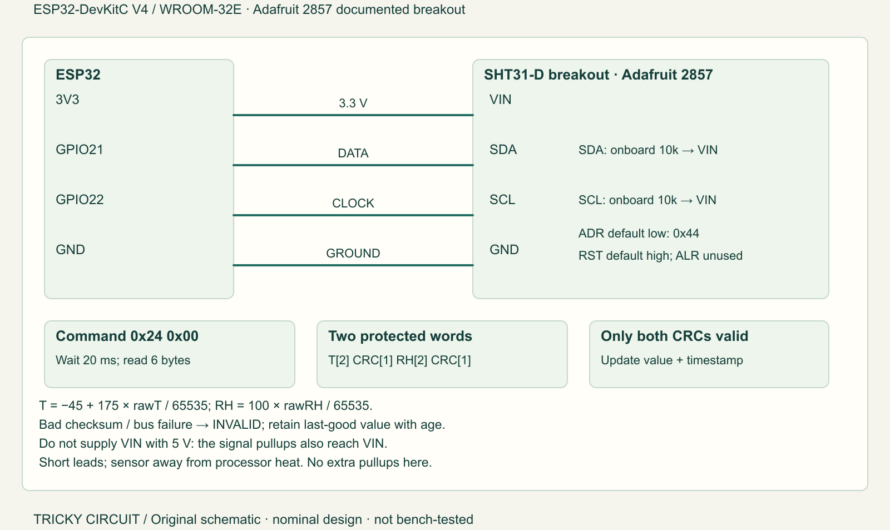
Read a documented SHT31-D breakout with an ESP32. Validate both checksums, calculate temperature and humidity, and label stale readings when communication fails.
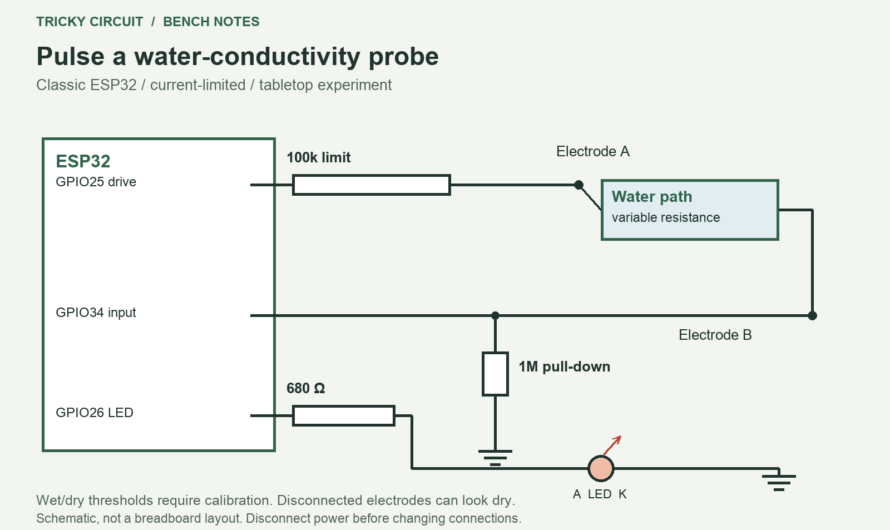
Build a low-current water-conductivity experiment with an ESP32. Pulse the electrodes, calibrate wet and dry readings and understand corrosion limits.
Explore these do-it-yourself project kits. Check the selected option, included parts and instructions on each offer.
Tricky Circuit may earn a commission if you buy through these Temu affiliate links. These are product ideas; they have not been bench-tested by Tricky Circuit and are not verified lesson parts lists.
Supplier product photo
Soldering required. Check the supplied parts and board revision.
Supplier product photo
Listing specifies 5-volt direct current. Soldering required; battery and glue not included.
Supplier product photo
Breadboard, wires and assorted parts. Arduino controller board not included.
Supplier product photo
Surface-mount soldering practice. Battery and battery holder not included.
Supplier product photo
Clock-and-case project kit. Soldering required; check included parts and power requirements.
Supplier product photo
Soldering and assembly required. Check battery and track requirements before buying.