SPS30: Fan Cleaning Is Not a Fresh Particle Measurement
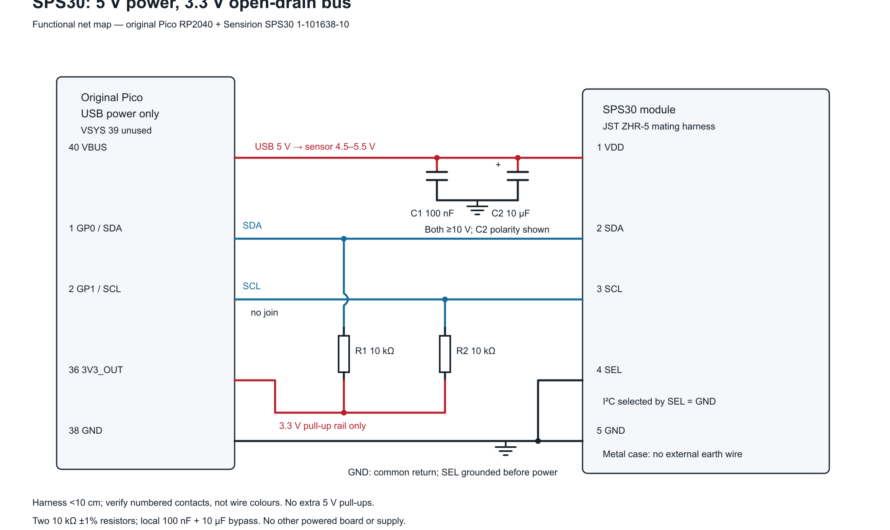
Read an SPS30 with a Pico, preserve the gap during fan cleaning, and reject CRC, status or stale-data failures without presenting cached values as new.
Unravel the Mystery of Electronics
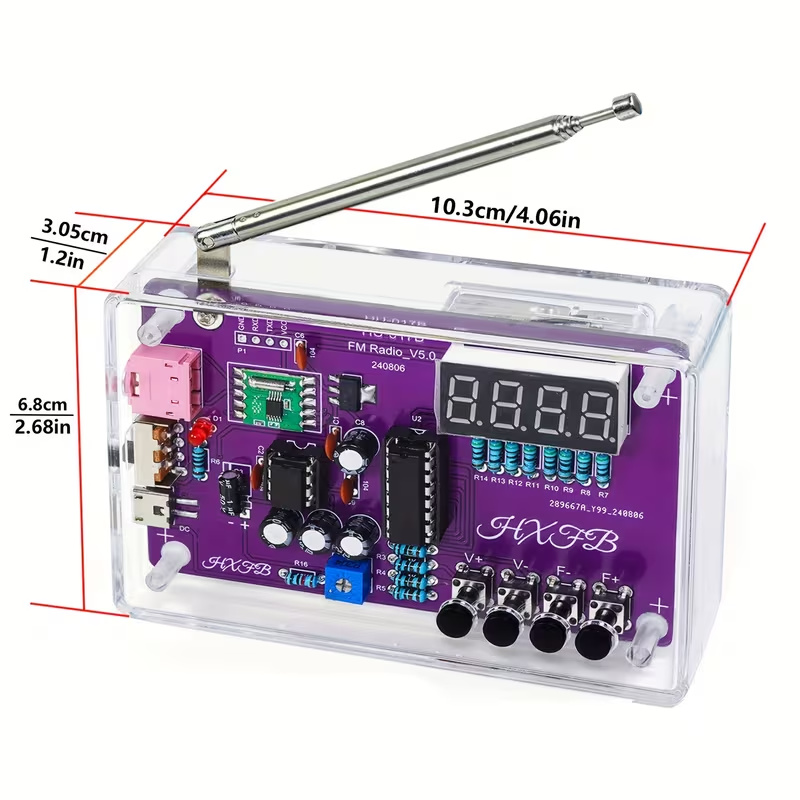
Soldering required. Check the supplied parts and board revision.
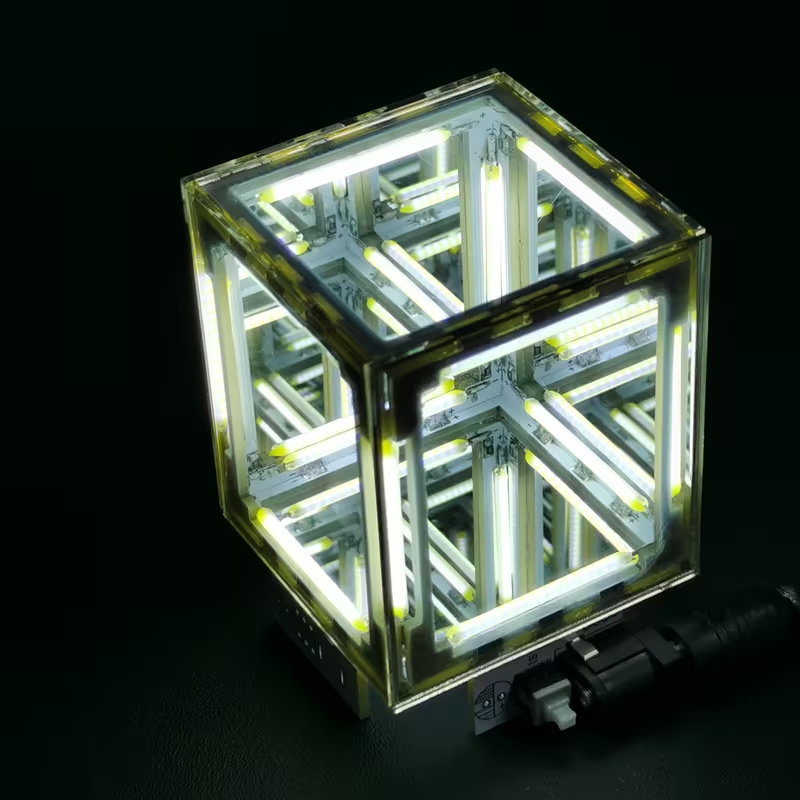
Listing specifies 5-volt direct current. Soldering required; battery and glue not included.
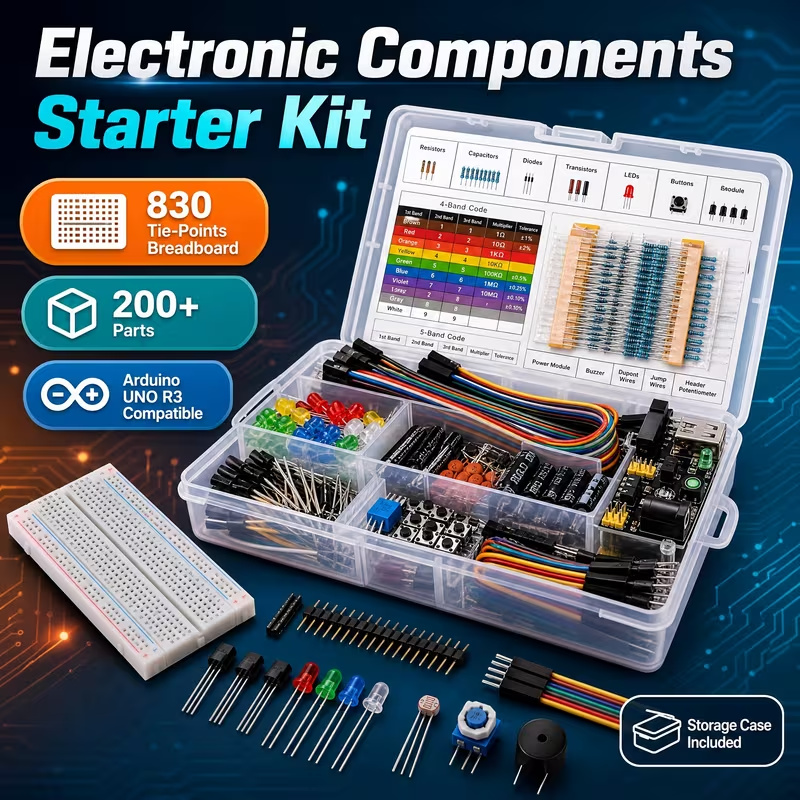
Breadboard, wires and assorted parts. Arduino controller board not included.
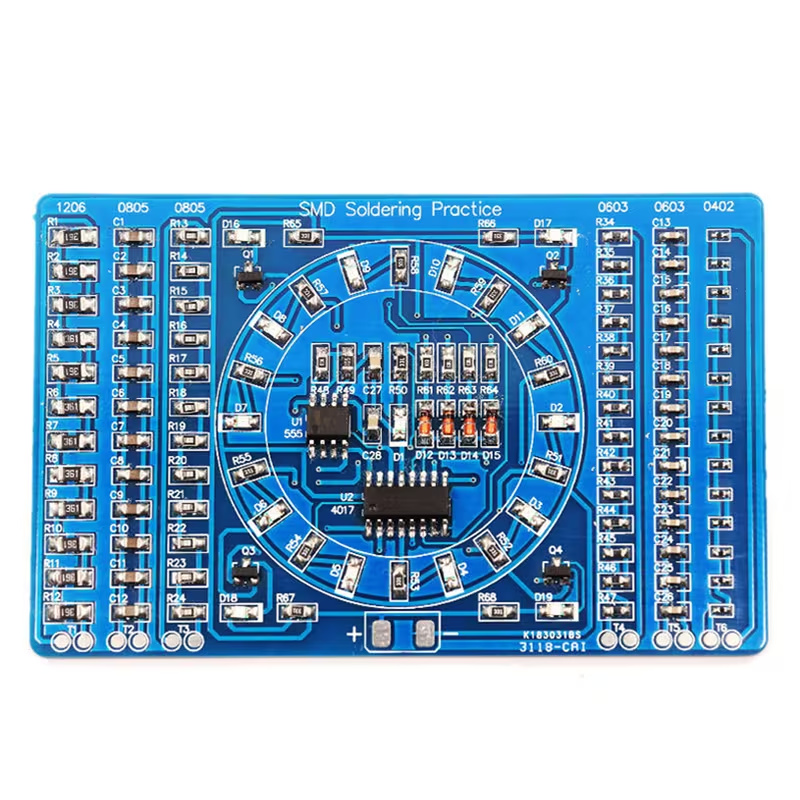
Surface-mount soldering practice. Battery and battery holder not included.
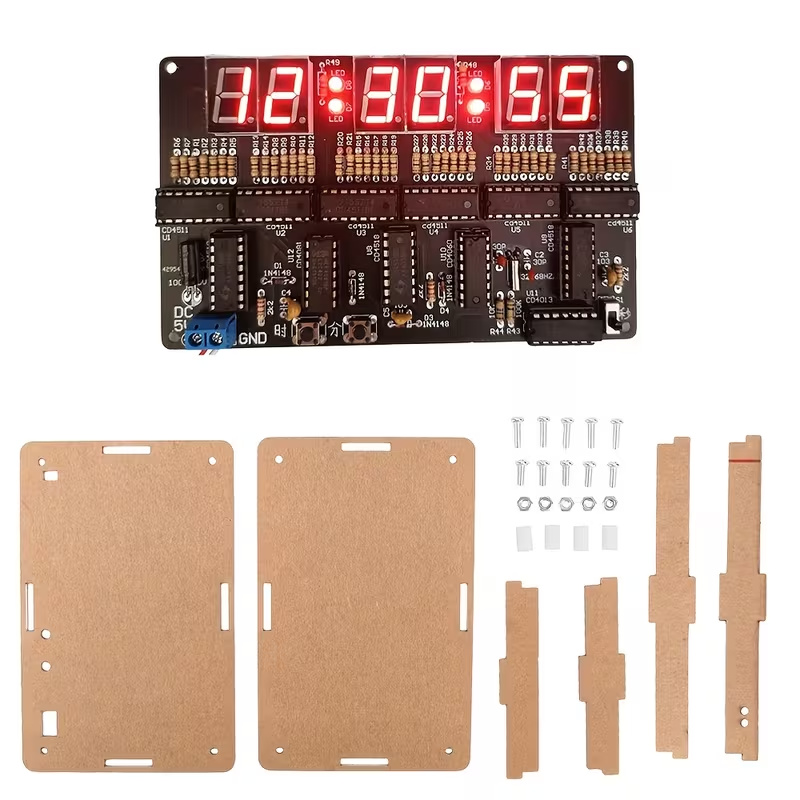
Clock-and-case project kit. Soldering required; check included parts and power requirements.
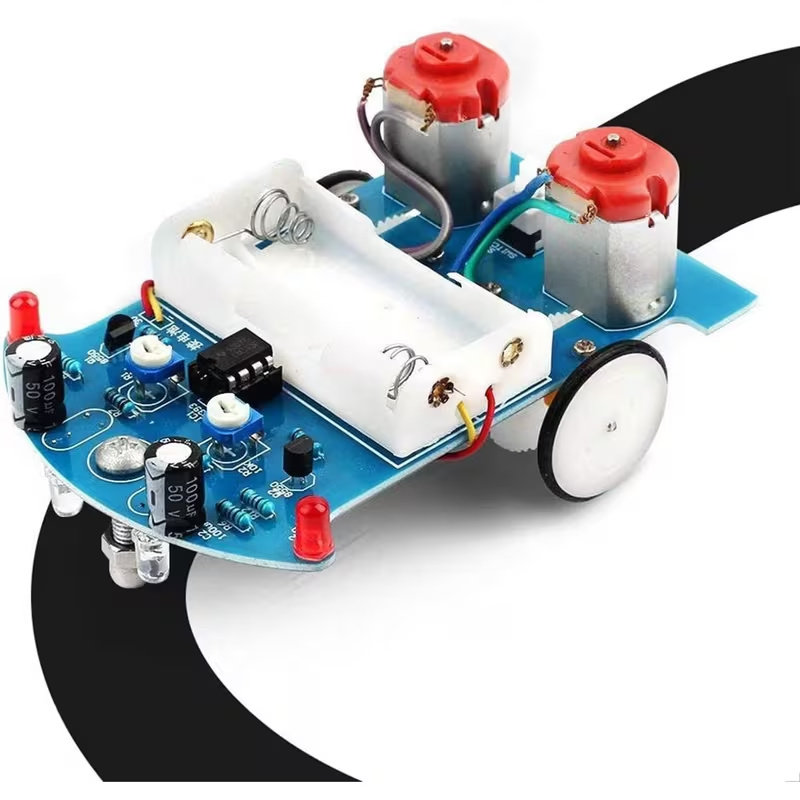
Soldering and assembly required. Check battery and track requirements before buying.
Tricky Circuit may earn a commission through these links. Product ideas have not been bench-tested by Tricky Circuit and are not verified lesson parts lists.
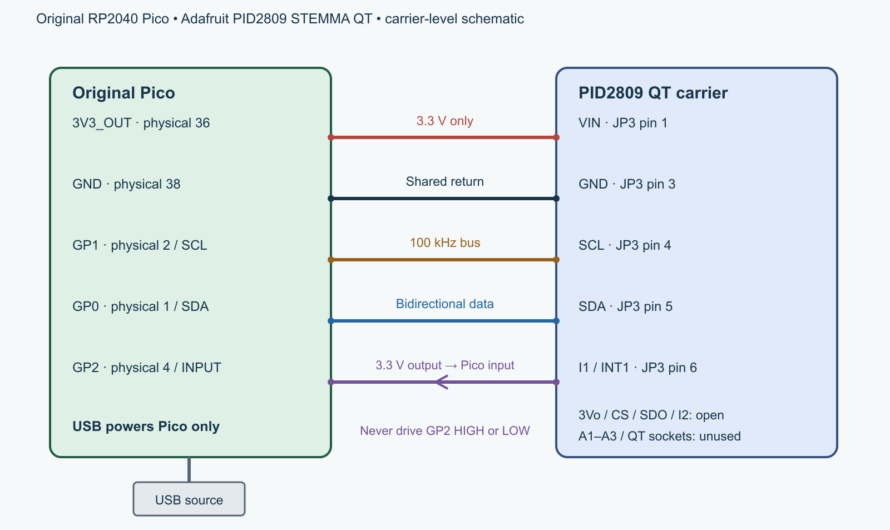
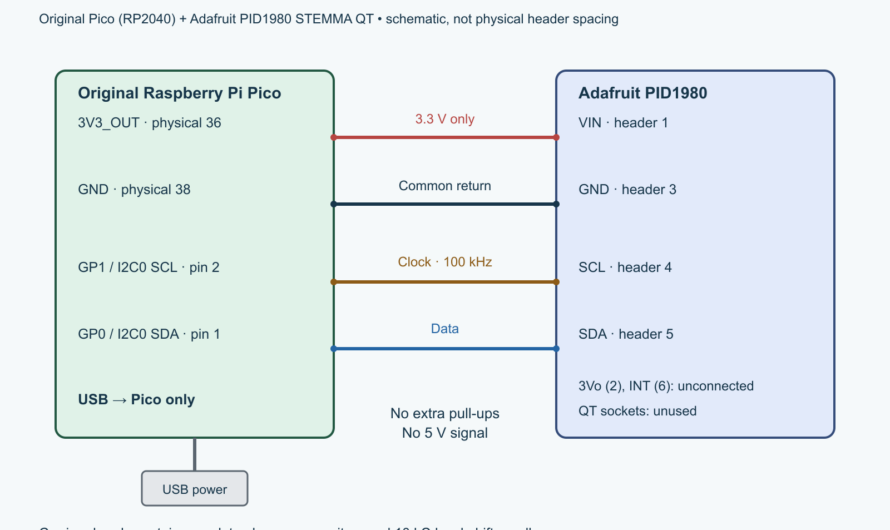
Read an SPS30 with a Pico, preserve the gap during fan cleaning, and reject CRC, status or stale-data failures without presenting cached values as new.
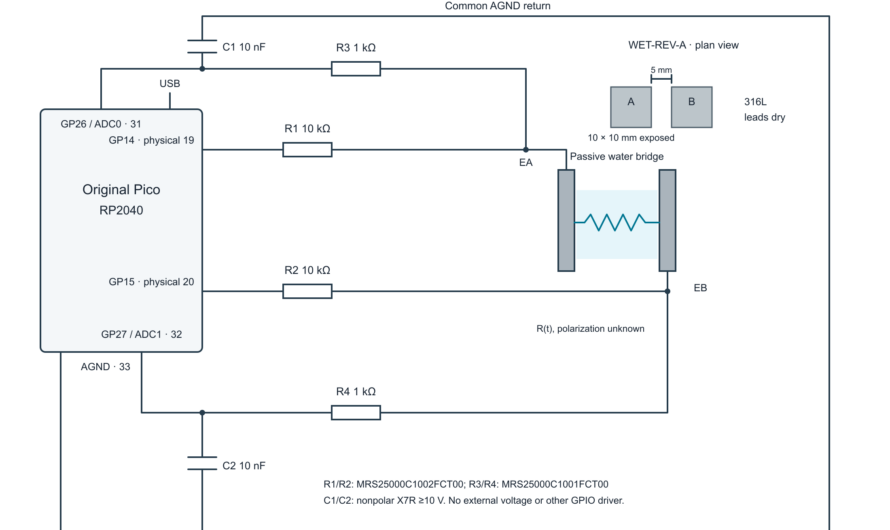
Compare two water-probe polarities with a finite Pico capture, retain raw ADC readings, and calculate a signed late-window proxy without claiming total charge.
Configure a timed LIS3DH magnitude condition, qualify the latch on a supported board, and service its source without turning merged interrupts into a fall count.
Acquire new TSL2591 raw exposures after gain and integration changes, reject either clipped channel, and track the limits of host-observed freshness.
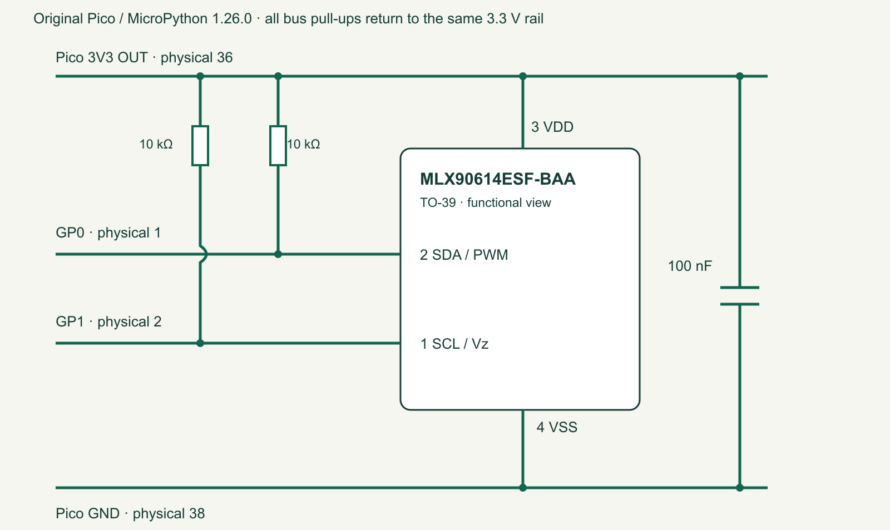
Connect the exact three-volt MLX90614 to Pico, verify PEC and error flags, and investigate why target size, distance, emissivity and package temperature affect an apparent reading.
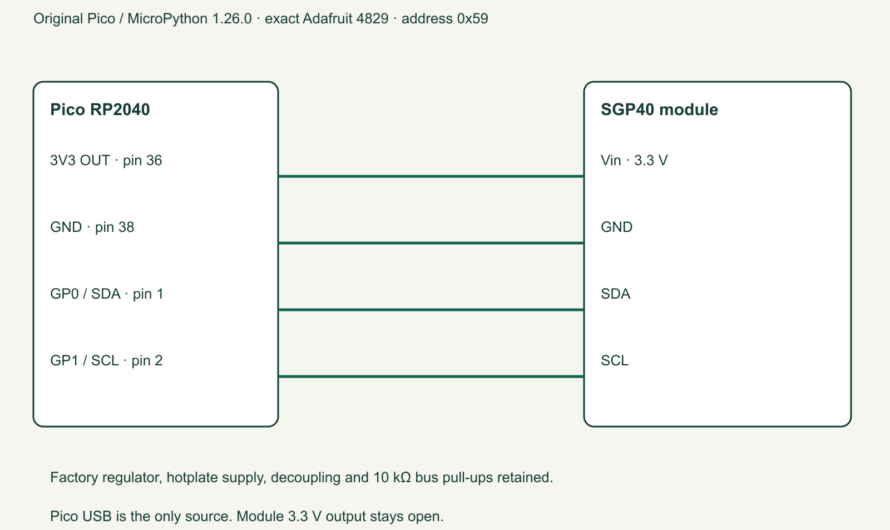
Read raw SGP40 gas counts on Pico with CRC, self-test and a controlled cadence. Keep compensation assumptions, conditioning and unimplemented concentration/index outputs explicit.
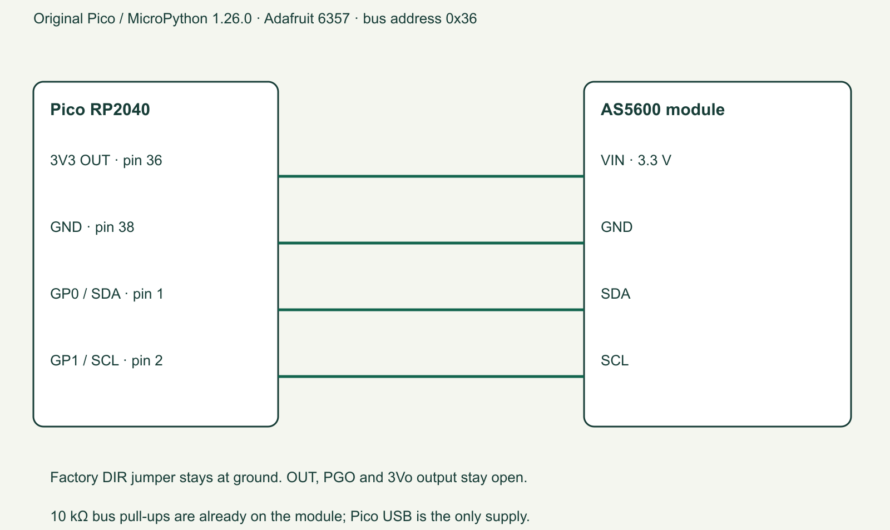
Read an exact AS5600 module with Pico, qualify magnet status and cross the zero boundary. Learn why gaps and unseen turns invalidate an accumulated angle.
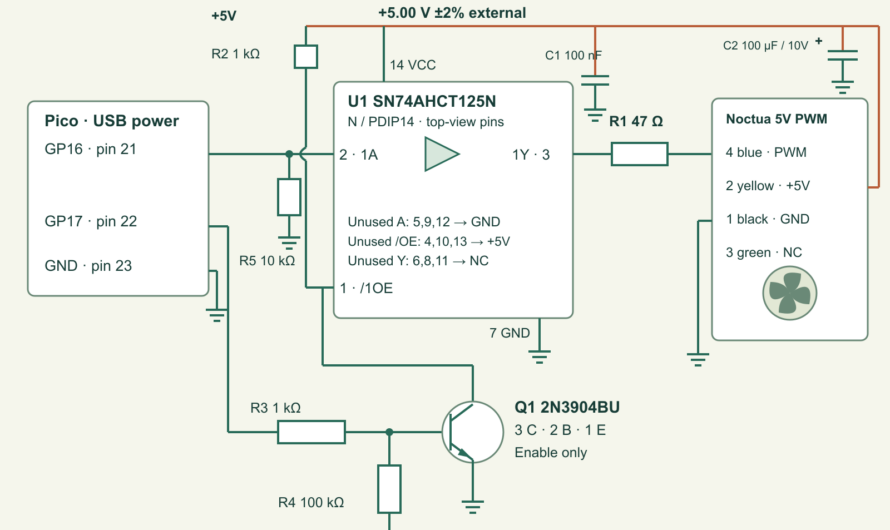
Build a defined 25kHz fan command through a 5 V buffer. Keep motor power separate, release the output on cleanup and distinguish commanded duty from measured RPM.
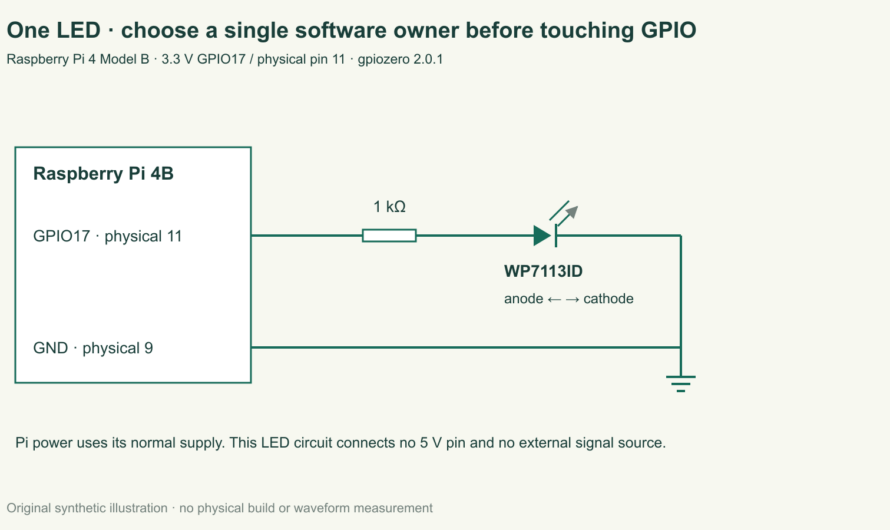
Use an advisory local lock before claiming a Pi LED. Test two-process exclusion, normal cleanup, forced death and why deleting a lock file can break ownership.
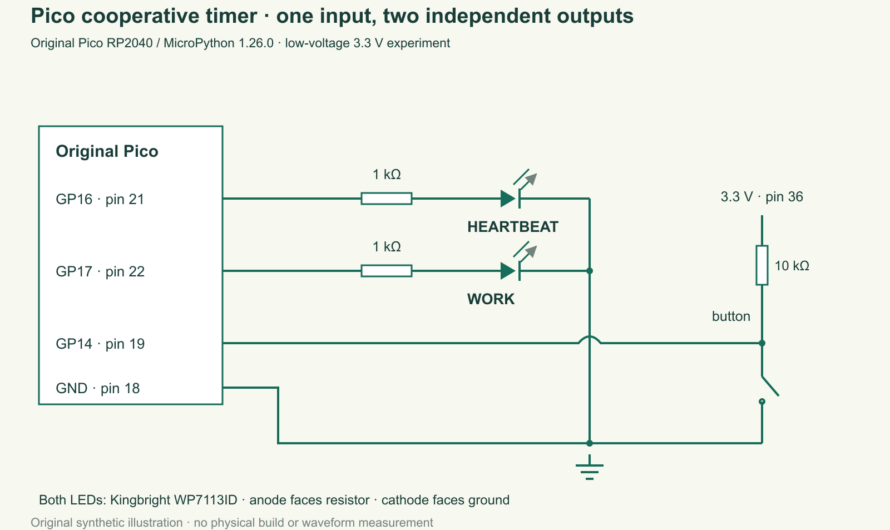
Run a cancellable five-second light beside a heartbeat. Explore modular deadlines, settled presses, missed-edge coalescing and an explicit late-loop stop.
Explore these do-it-yourself project kits. Check the selected option, included parts and instructions on each offer.
Tricky Circuit may earn a commission if you buy through these Temu affiliate links. These are product ideas; they have not been bench-tested by Tricky Circuit and are not verified lesson parts lists.
Supplier product photo
Soldering required. Check the supplied parts and board revision.
Supplier product photo
Listing specifies 5-volt direct current. Soldering required; battery and glue not included.
Supplier product photo
Breadboard, wires and assorted parts. Arduino controller board not included.
Supplier product photo
Surface-mount soldering practice. Battery and battery holder not included.
Supplier product photo
Clock-and-case project kit. Soldering required; check included parts and power requirements.
Supplier product photo
Soldering and assembly required. Check battery and track requirements before buying.