SHT45 Heater: A Warm Reading Is Not Room Humidity
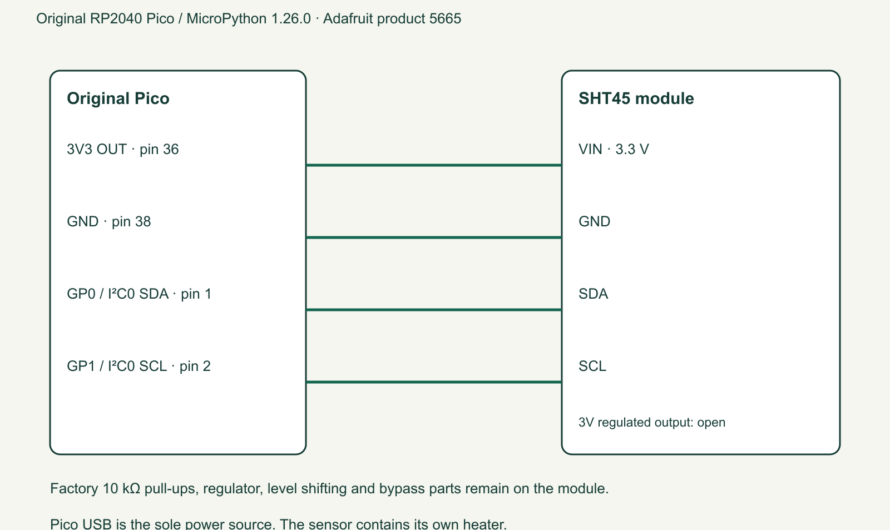
Observe one low-power SHT45 heater pulse on Pico. Check both CRC words, preserve diagnostic readings and require a stable return near the earlier baseline without inventing ambient humidity.
Unravel the Mystery of Electronics
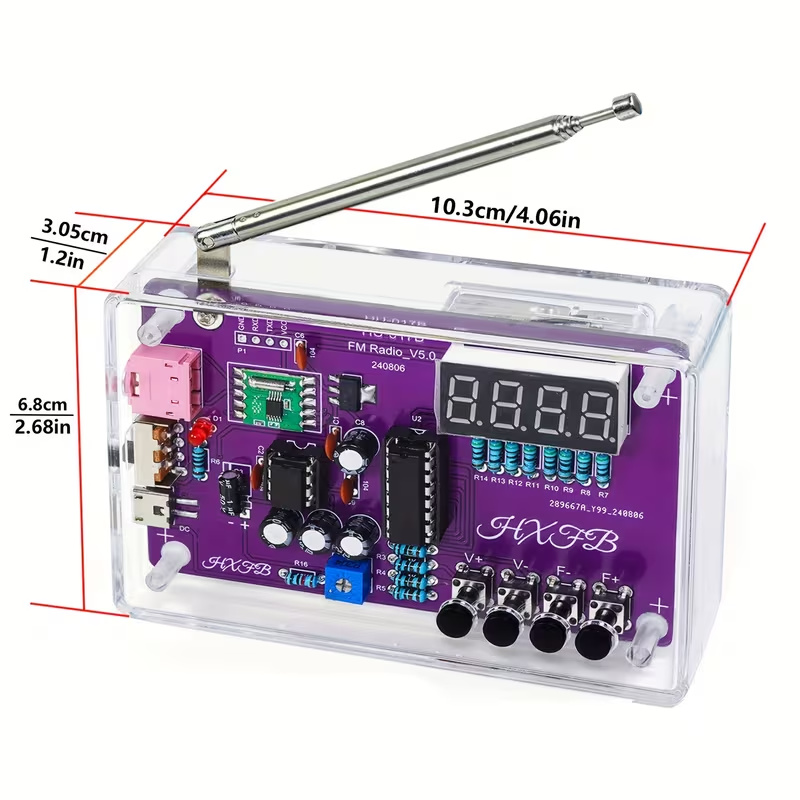
Soldering required. Check the supplied parts and board revision.
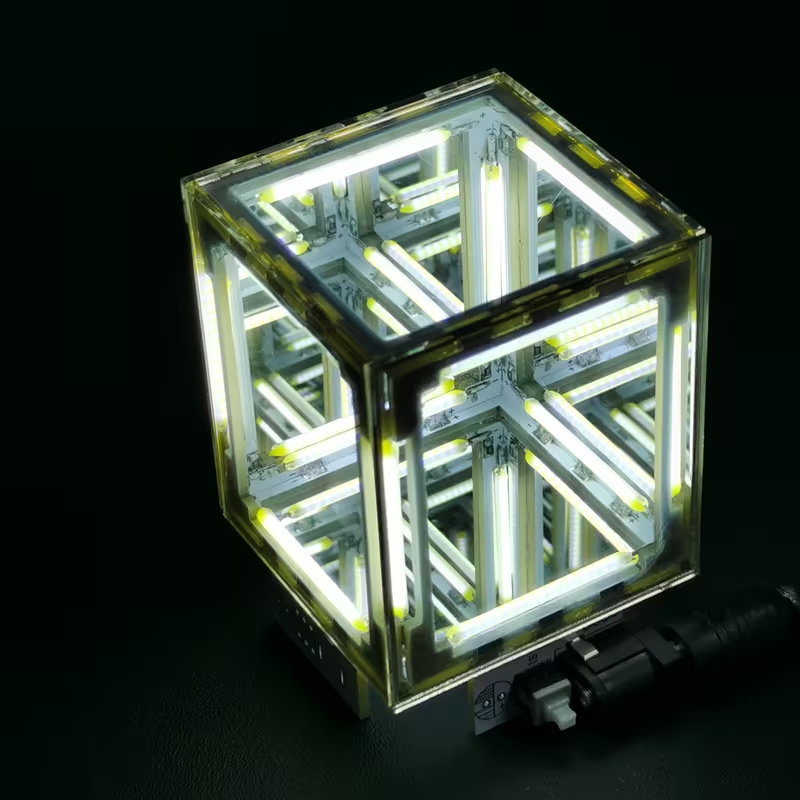
Listing specifies 5-volt direct current. Soldering required; battery and glue not included.
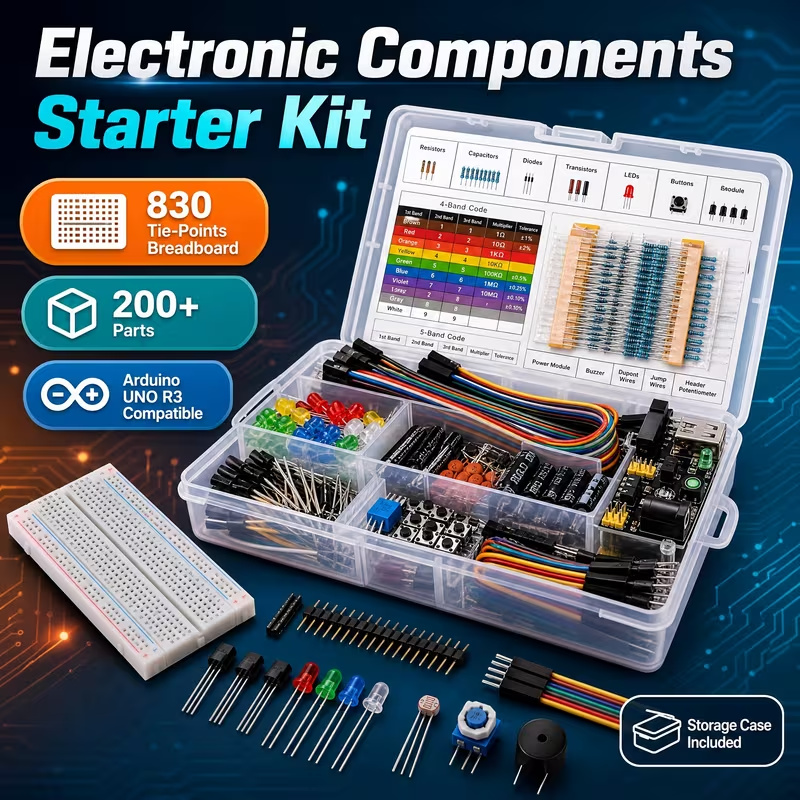
Breadboard, wires and assorted parts. Arduino controller board not included.
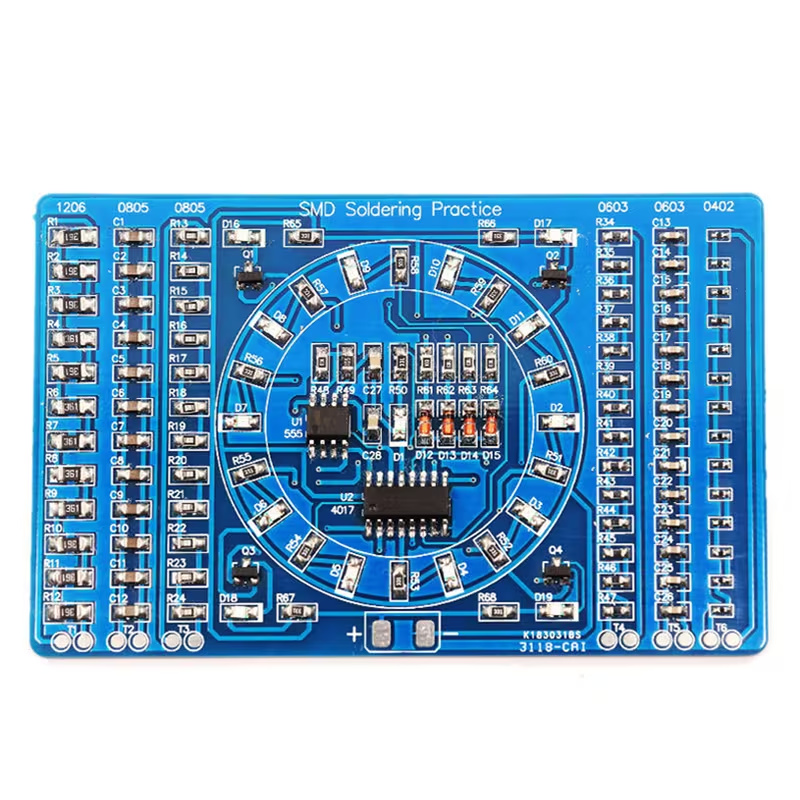
Surface-mount soldering practice. Battery and battery holder not included.
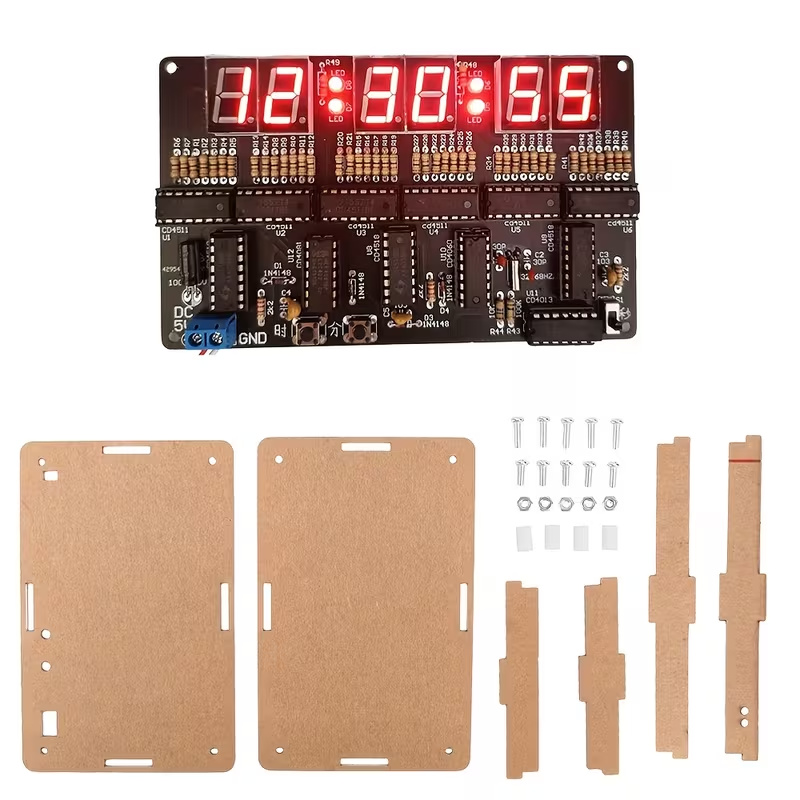
Clock-and-case project kit. Soldering required; check included parts and power requirements.
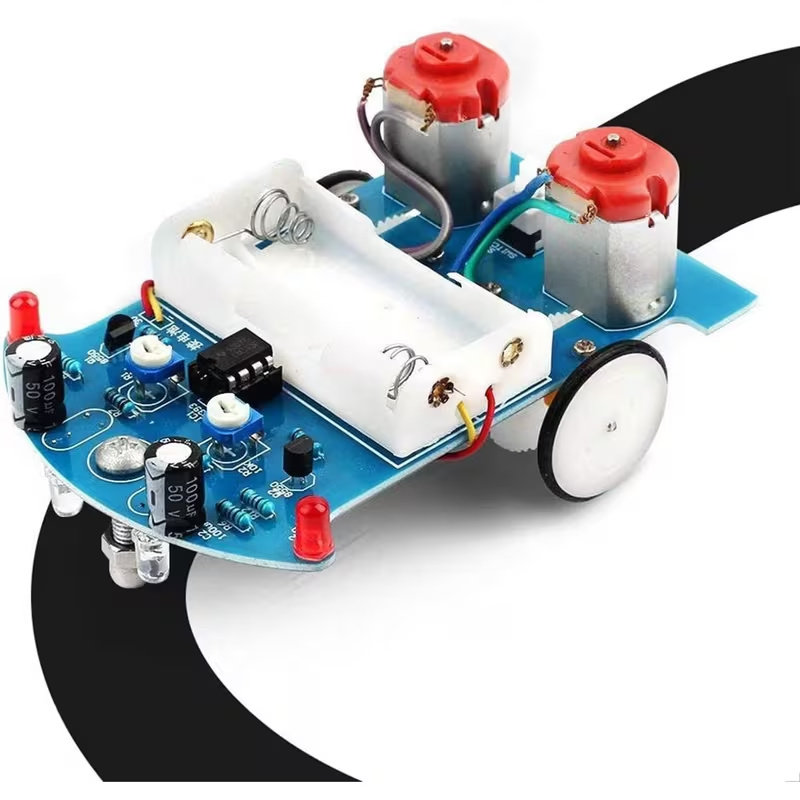
Soldering and assembly required. Check battery and track requirements before buying.
Tricky Circuit may earn a commission through these links. Product ideas have not been bench-tested by Tricky Circuit and are not verified lesson parts lists.
Observe one low-power SHT45 heater pulse on Pico. Check both CRC words, preserve diagnostic readings and require a stable return near the earlier baseline without inventing ambient humidity.
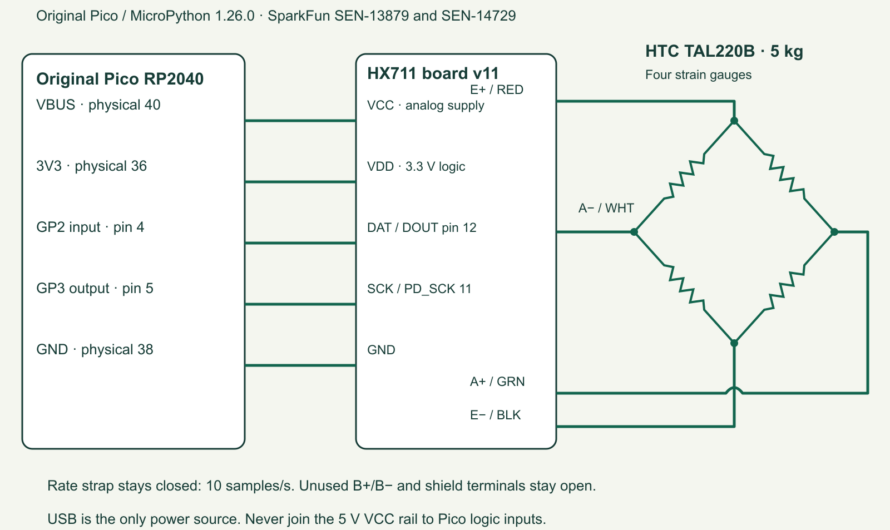
Build an HX711 and TAL220B scale lab on Pico. Keep tare and span calibration separate, refuse unstable windows and preserve drift instead of automatically zeroing it.
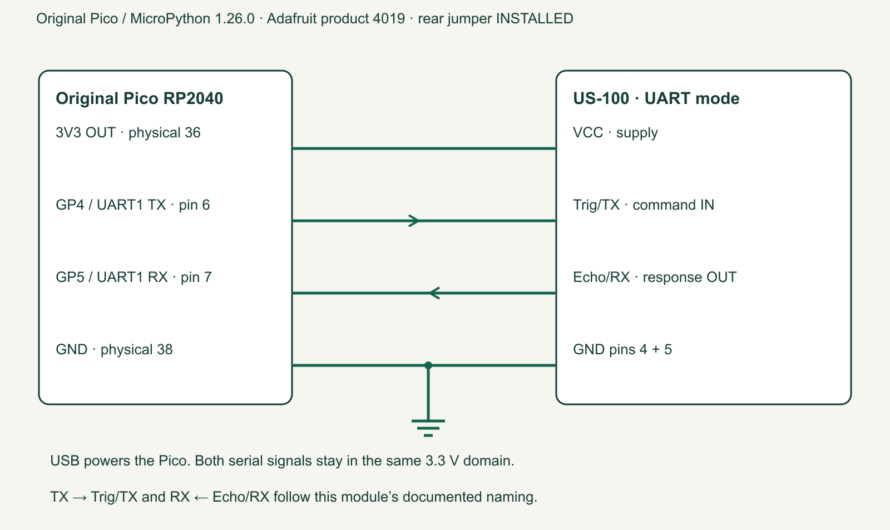
Build a US-100 UART sonar lab on Pico. Refuse stale, partial and missing responses, then explore why target angle and material can change a plausible distance.
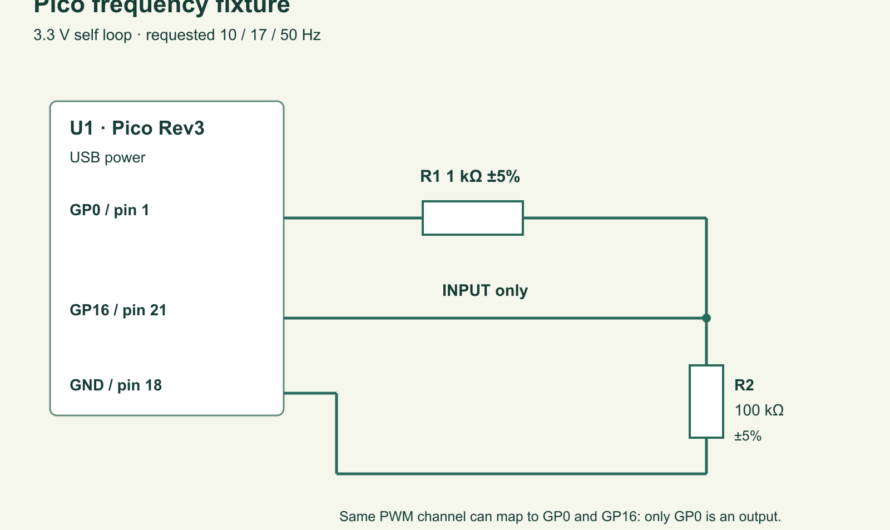
Compare edge counts and reciprocal periods with a Pico loopback fixture. Learn counting steps, sampling-gap refusals and why a shared clock cannot calibrate itself.
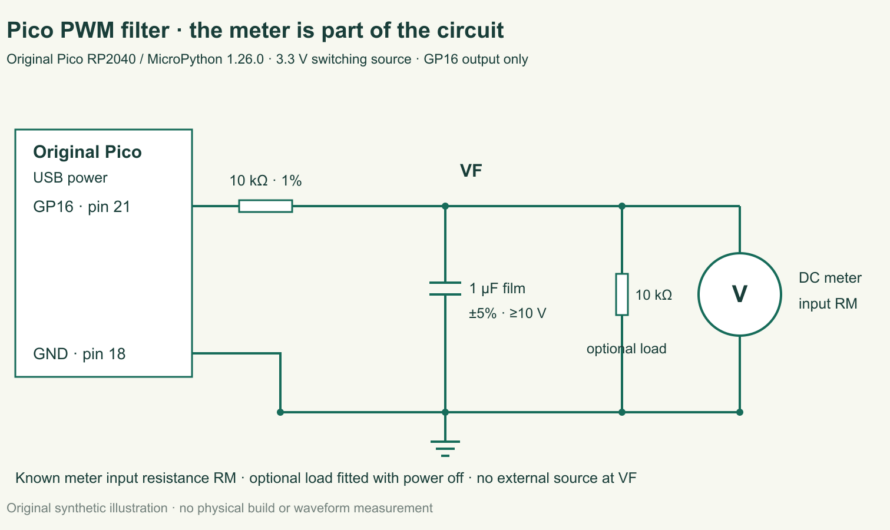
Derive exact exponential PWM-filter ripple, include the meter as a load, and compare 1 kHz with 10 kHz using a complete Pico trial and ideal calculator.
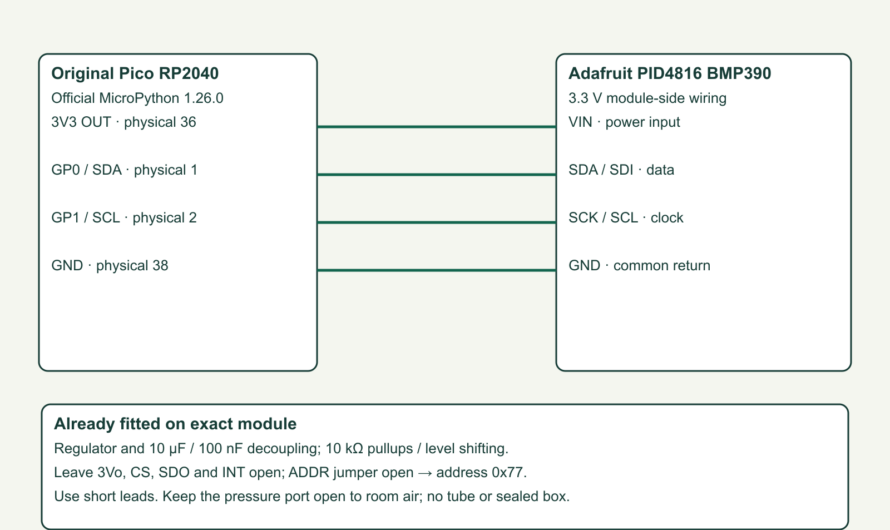
Read fresh BMP390 pressure with a complete Pico driver. Track a short-lived local reference and show why weather, heating and air models prevent an automatic exact height.
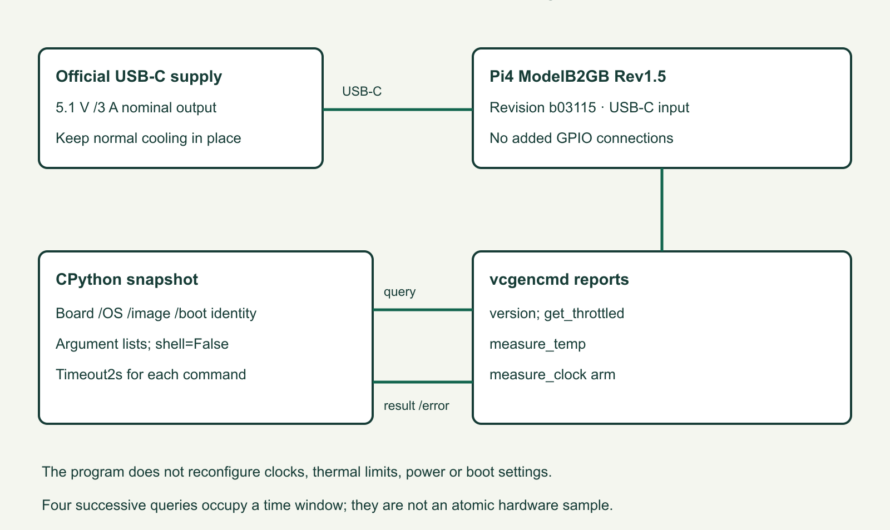
Decode Raspberry Pi4 current and historical health flags separately. Use a read-only Python snapshot that preserves unknown bits, command failures and firmware identity.
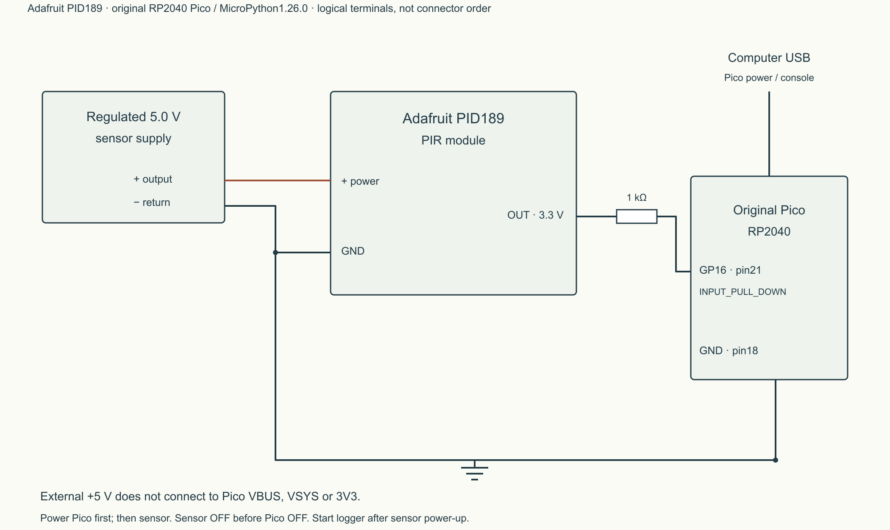
Measure PIR output intervals with a Pico while separating startup, H/L retriggering and software qualification—and never turn pulses into a people count.
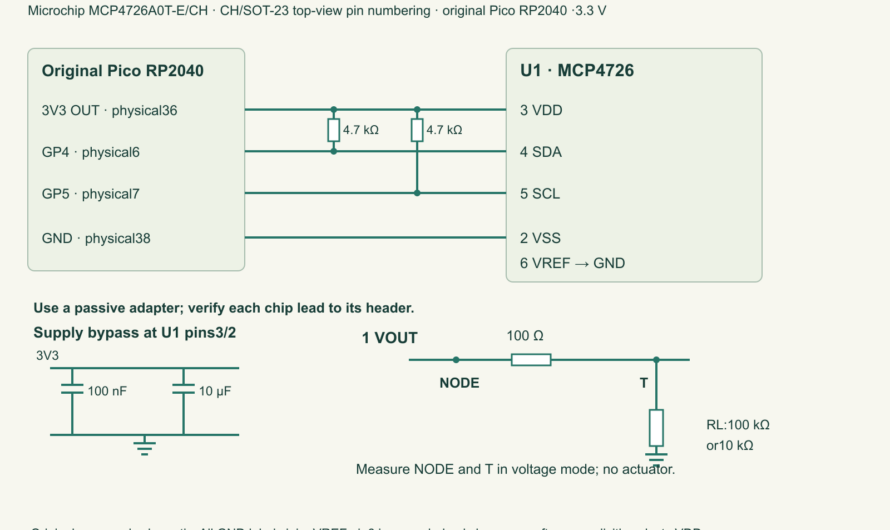
Generate three MCP4726 voltage steps at3.3 V. Compare DAC node and loaded terminal, calculate reference and resistor effects, and keep bus acknowledgements separate from measurements.
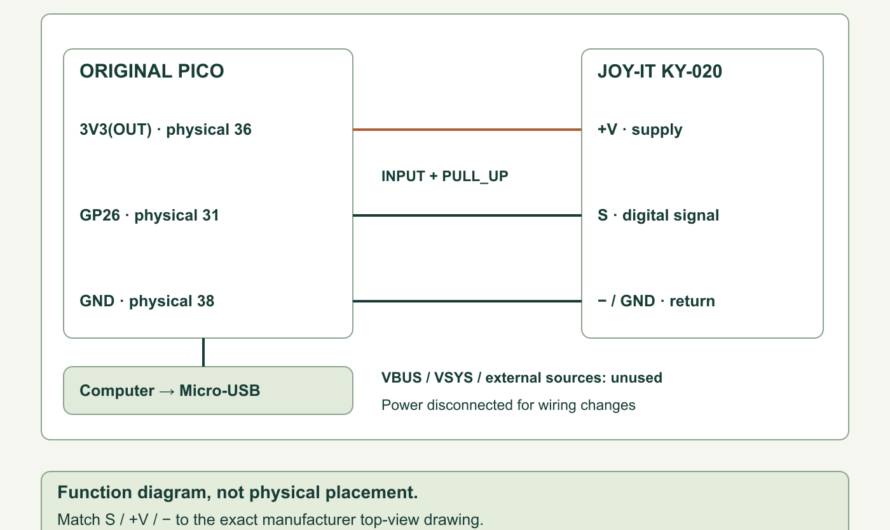
Build a Joy-IT KY-020 and Pico event logger. Separate startup, contact chatter, settled transitions, missed short pulses and sampling gaps with complete MicroPython code.
Explore these do-it-yourself project kits. Check the selected option, included parts and instructions on each offer.
Tricky Circuit may earn a commission if you buy through these Temu affiliate links. These are product ideas; they have not been bench-tested by Tricky Circuit and are not verified lesson parts lists.
Supplier product photo
Soldering required. Check the supplied parts and board revision.
Supplier product photo
Listing specifies 5-volt direct current. Soldering required; battery and glue not included.
Supplier product photo
Breadboard, wires and assorted parts. Arduino controller board not included.
Supplier product photo
Surface-mount soldering practice. Battery and battery holder not included.
Supplier product photo
Clock-and-case project kit. Soldering required; check included parts and power requirements.
Supplier product photo
Soldering and assembly required. Check battery and track requirements before buying.