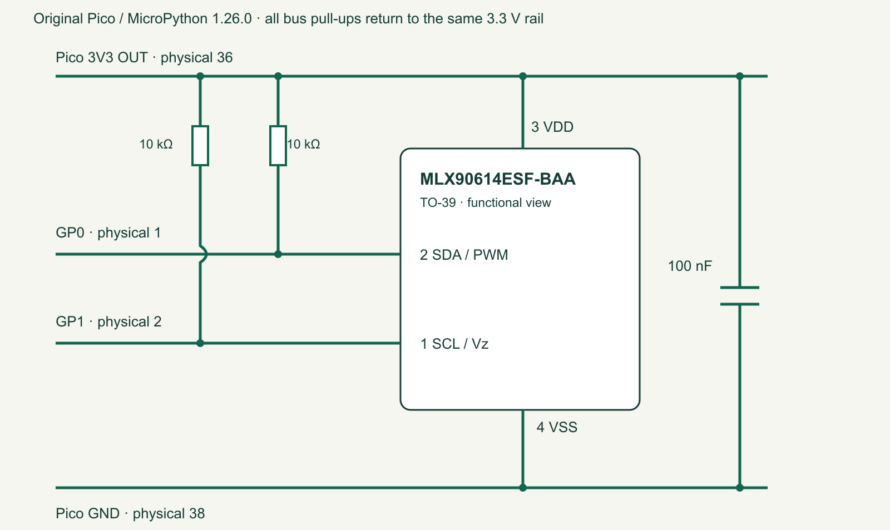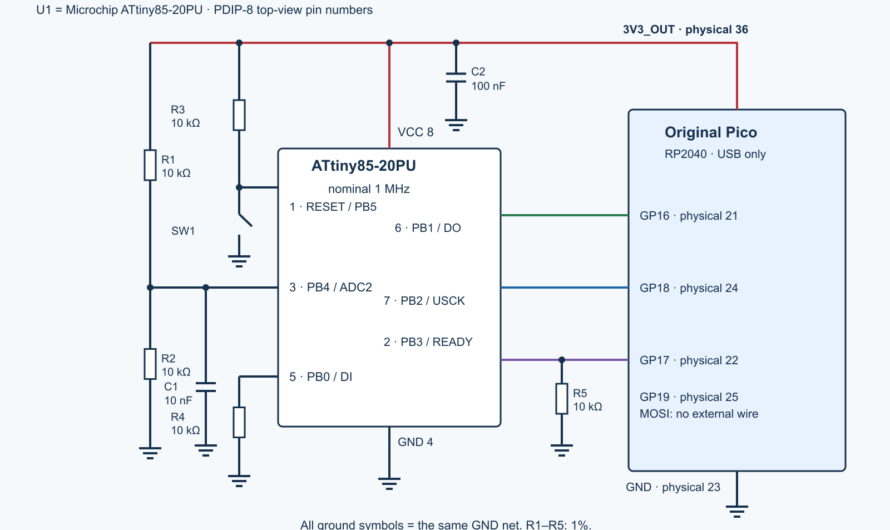
ATtiny85 ADC Noise Reduction: Capture First, Read the Histogram Later
Compare active–quiet–active ADC blocks on an ATtiny85, transfer data afterward, and separate code spread from accuracy with complete firmware and a Pico collector.
Unravel the Mystery of Electronics
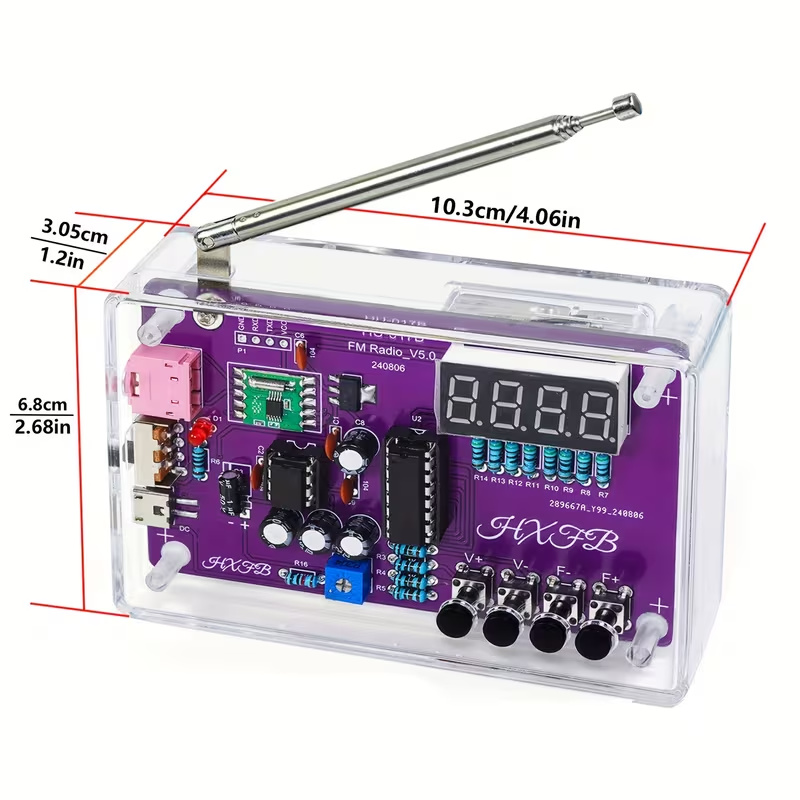
Soldering required. Check the supplied parts and board revision.
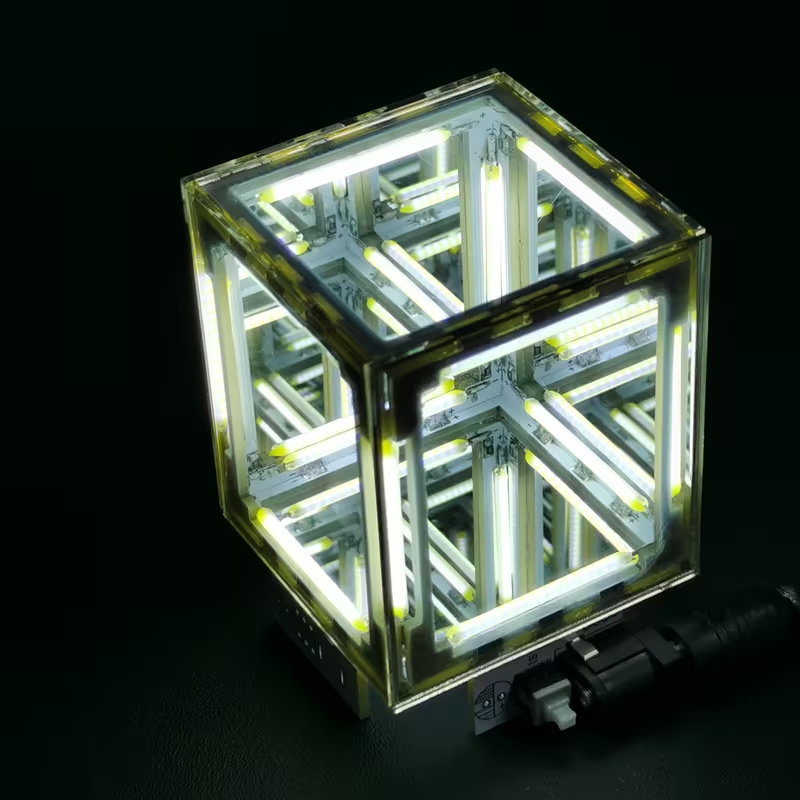
Listing specifies 5-volt direct current. Soldering required; battery and glue not included.
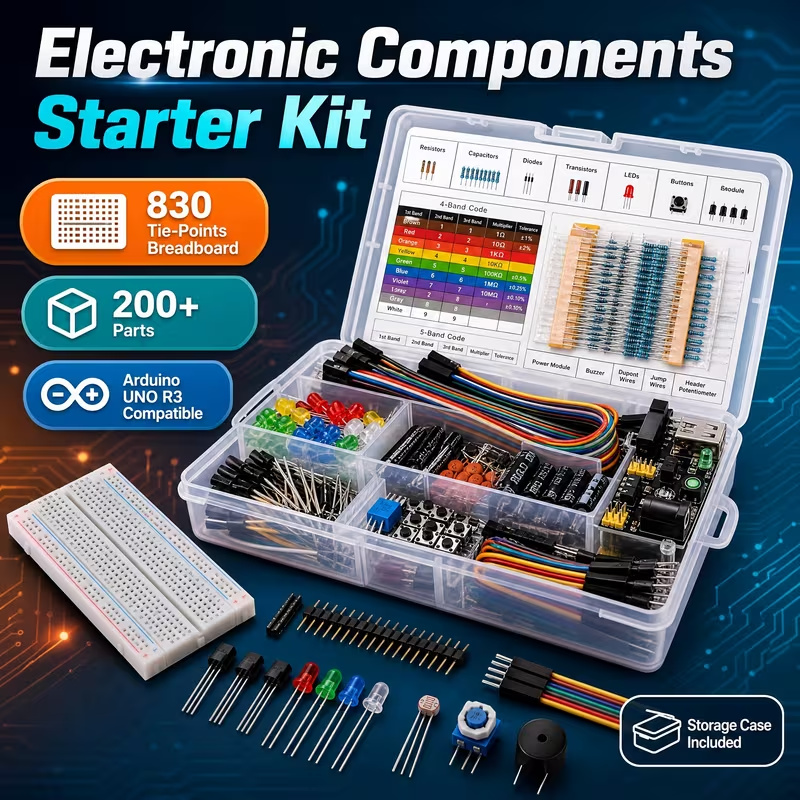
Breadboard, wires and assorted parts. Arduino controller board not included.
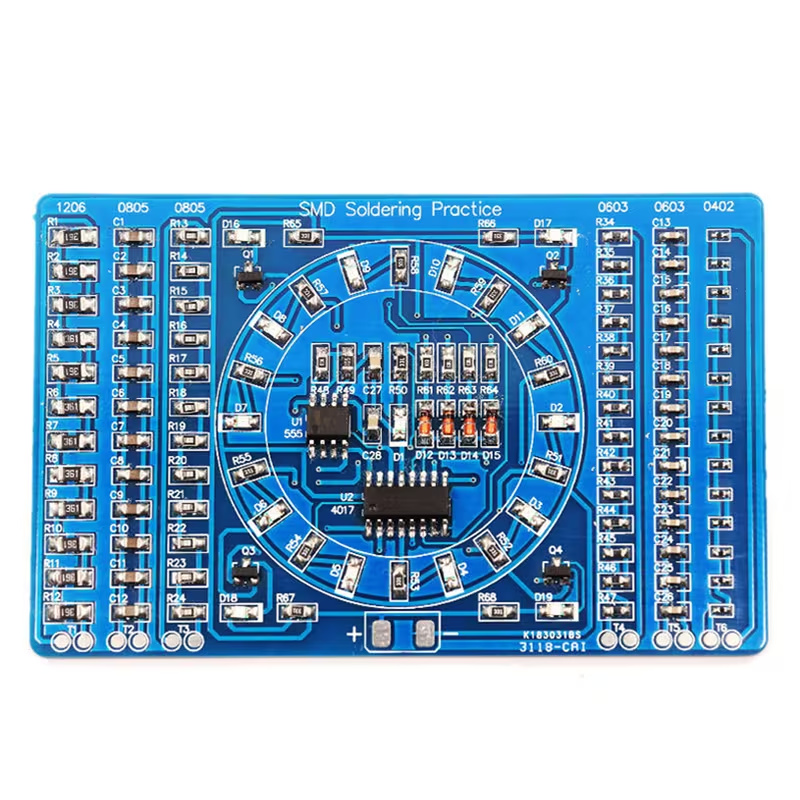
Surface-mount soldering practice. Battery and battery holder not included.
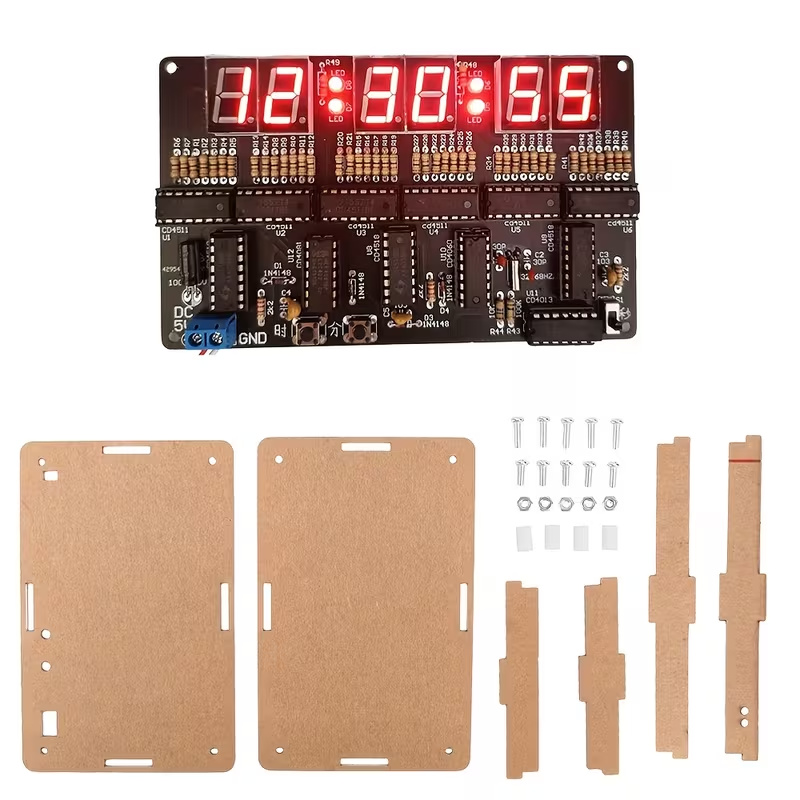
Clock-and-case project kit. Soldering required; check included parts and power requirements.
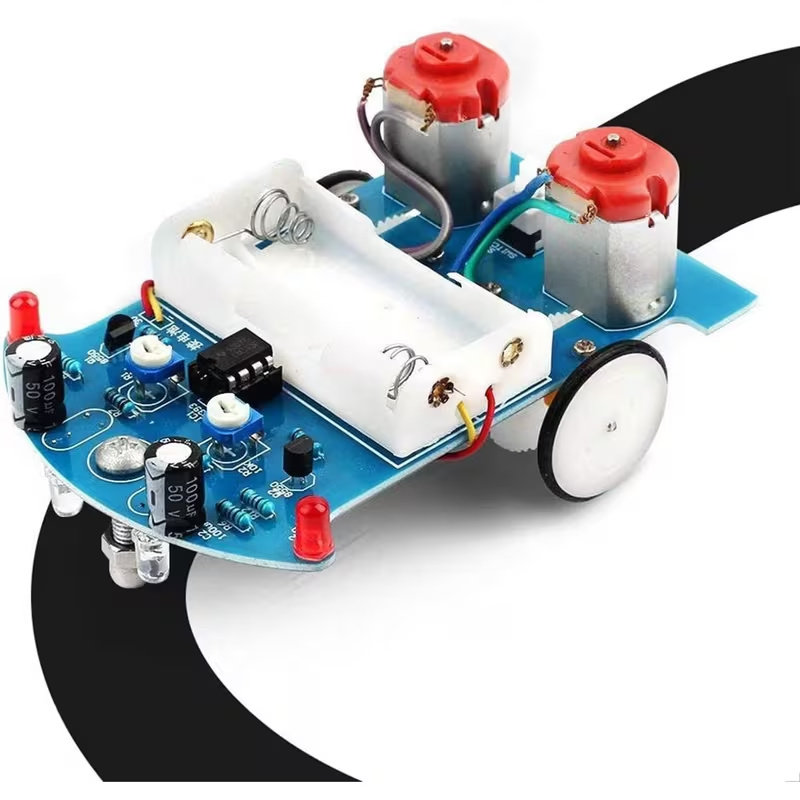
Soldering and assembly required. Check battery and track requirements before buying.
Tricky Circuit may earn a commission through these links. Product ideas have not been bench-tested by Tricky Circuit and are not verified lesson parts lists.
Compare active–quiet–active ADC blocks on an ATtiny85, transfer data afterward, and separate code spread from accuracy with complete firmware and a Pico collector.
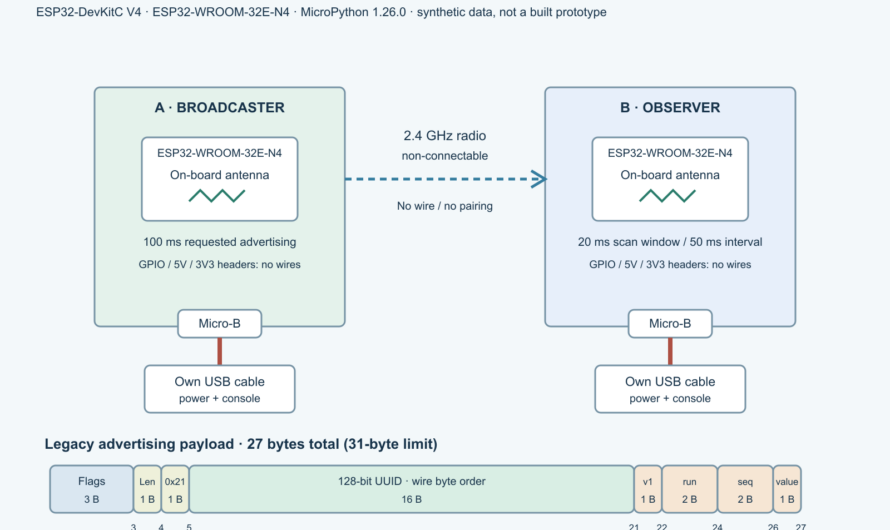
Build an ESP32 BLE broadcaster and observer that distinguish repeated packets from advancing observations, with bounded buffering, full code and explicit freshness limits.
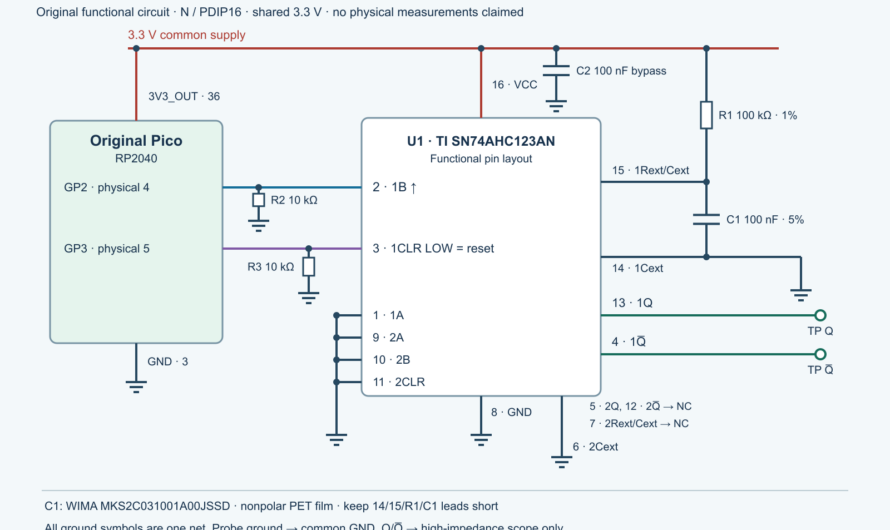
Build a timed pulse-train experiment with the exact SN74AHC123AN. Compare retriggering, an omitted edge, stuck levels and reset release, with full code and circuit diagrams.
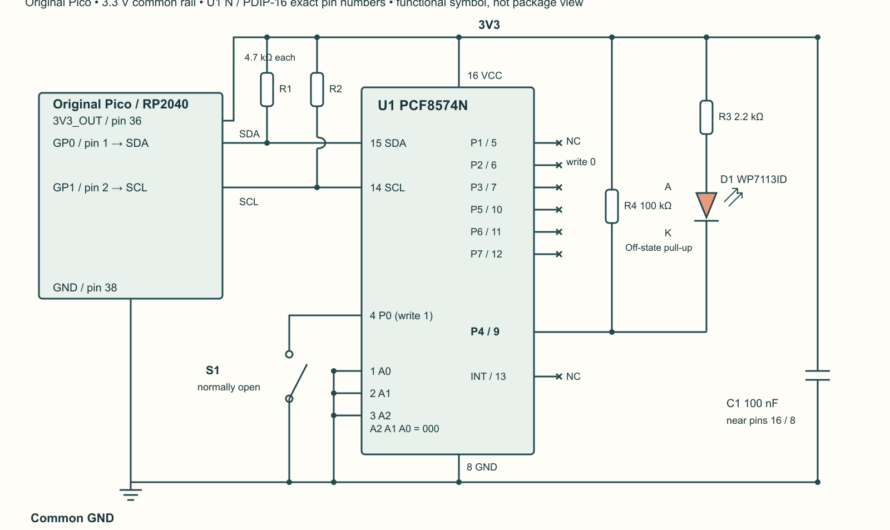
Read a button while switching an LED with a PCF8574N. Keep sampled pin levels separate from commanded output bits, and recover explicitly after uncertain I2C transfers.
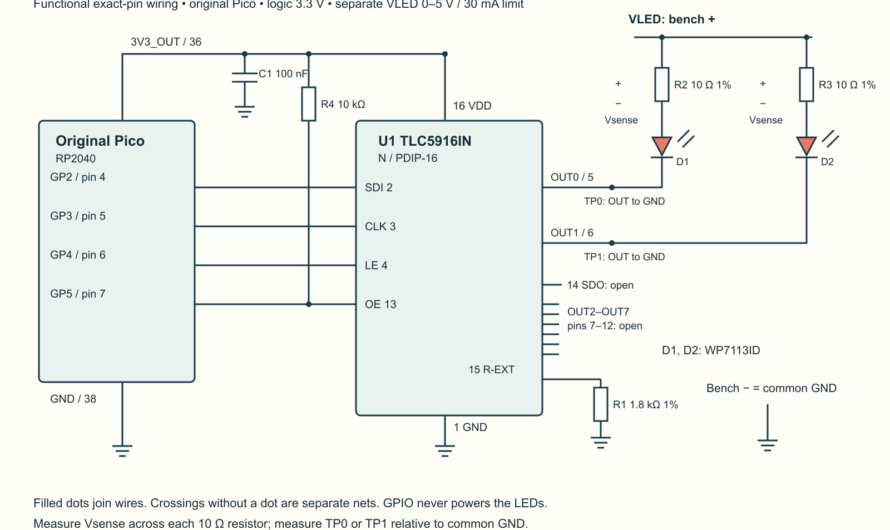
Build a two-channel TLC5916IN LED experiment. Measure each current and sink headroom, then reduce the LED supply without confusing commands with regulation.
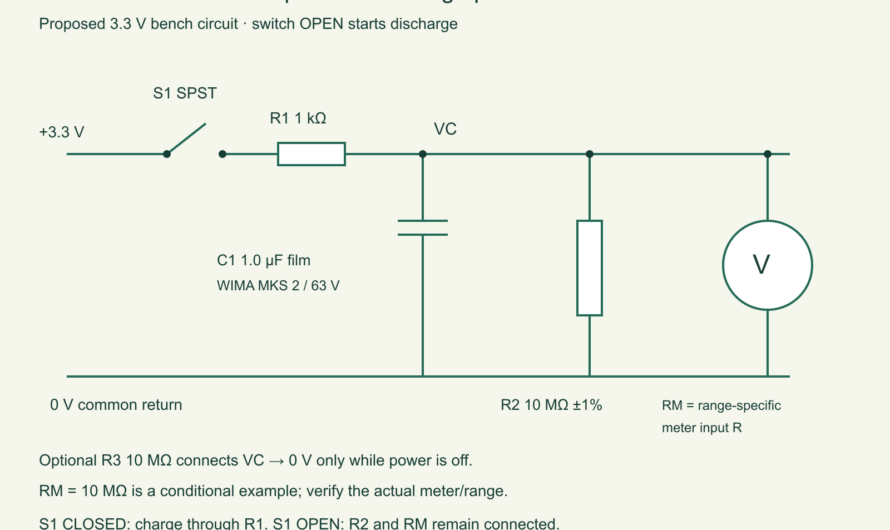
Measure a low-voltage capacitor discharge, include the meter input resistance and learn why a measured time constant cannot identify capacitance by itself.
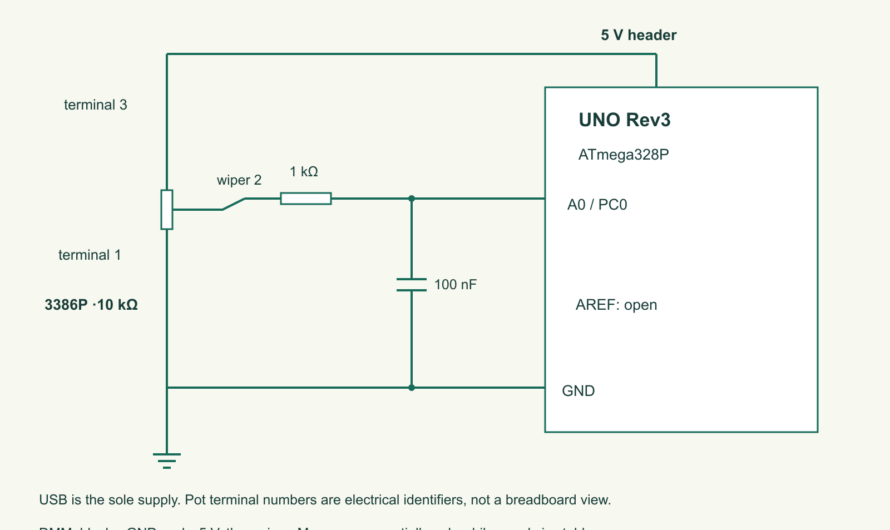
Wire a ratiometric UNO knob, inspect its ADC code bin and compare it with a manually measured supply. A constant position can keep the same code while its voltage changes.
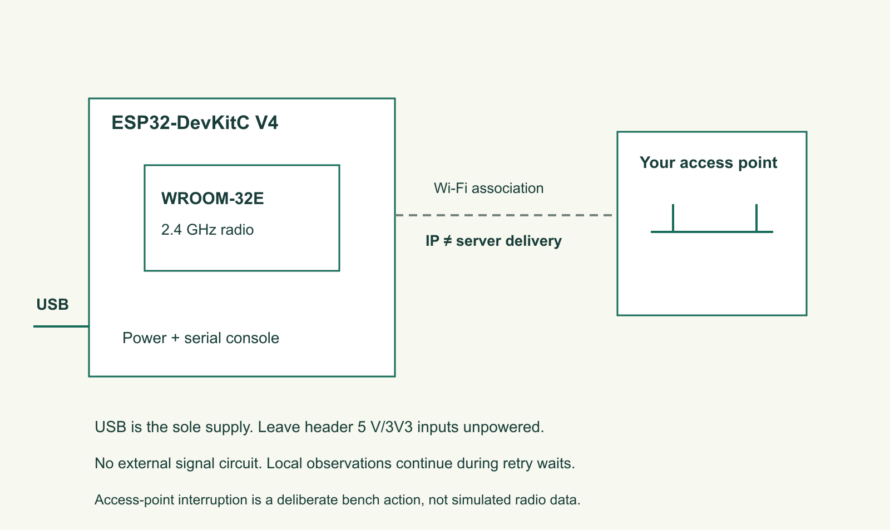
Keep local ESP32 observations visible while Wi-Fi association fails. Use four attempts, explicit waits, a terminal authentication state and a finite run without claiming server delivery.
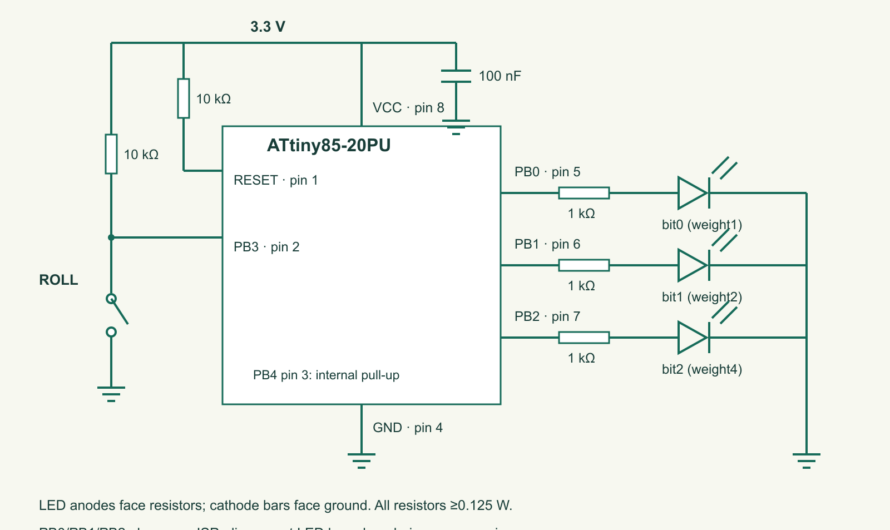
Build a three-LED binary die on ATtiny85. Test a full LFSR cycle, remove modulo bias by rejection and show why an equal histogram still cannot prove unpredictable rolls.
Connect the exact three-volt MLX90614 to Pico, verify PEC and error flags, and investigate why target size, distance, emissivity and package temperature affect an apparent reading.
Explore these do-it-yourself project kits. Check the selected option, included parts and instructions on each offer.
Tricky Circuit may earn a commission if you buy through these Temu affiliate links. These are product ideas; they have not been bench-tested by Tricky Circuit and are not verified lesson parts lists.
Supplier product photo
Soldering required. Check the supplied parts and board revision.
Supplier product photo
Listing specifies 5-volt direct current. Soldering required; battery and glue not included.
Supplier product photo
Breadboard, wires and assorted parts. Arduino controller board not included.
Supplier product photo
Surface-mount soldering practice. Battery and battery holder not included.
Supplier product photo
Clock-and-case project kit. Soldering required; check included parts and power requirements.
Supplier product photo
Soldering and assembly required. Check battery and track requirements before buying.