Non-Inverting Amplifier Using LM358
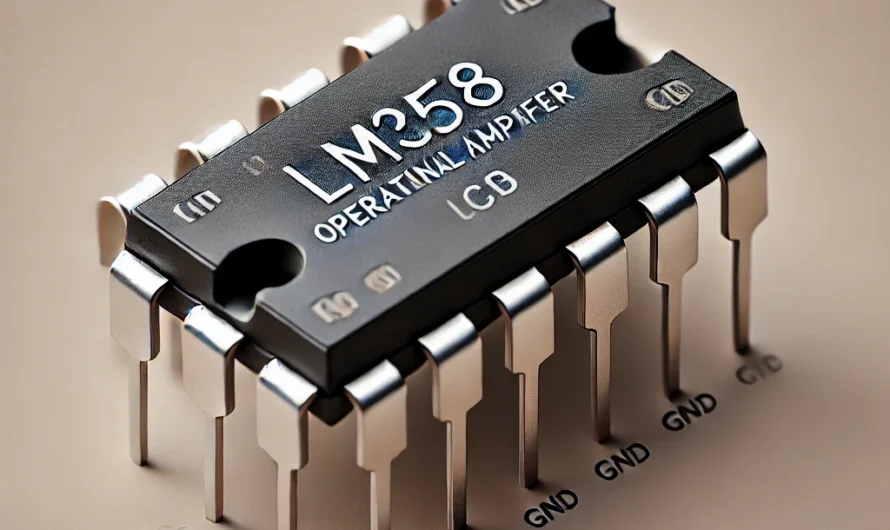
A non-inverting amplifier is a widely used operational amplifier (op-amp) configuration that amplifies an input signal without inverting its phase. The LM358 is a popular …
Unravel the Mystery of Electronics

A non-inverting amplifier is a widely used operational amplifier (op-amp) configuration that amplifies an input signal without inverting its phase. The LM358 is a popular …
Key Features: Construction: Applications: Wiring and Control: Example Setup with Arduino: Here’s a simple example of how you can control a TT motor using an …
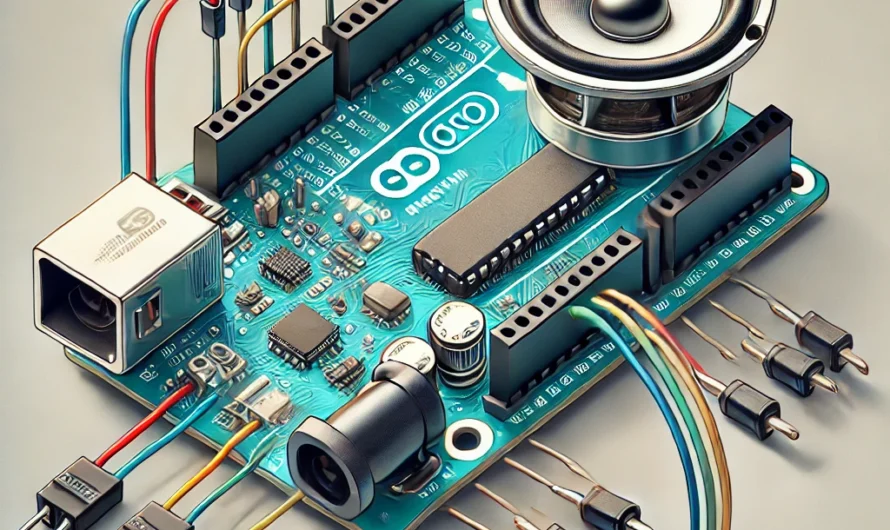
ranging from simple beeps to high-quality MP3 playback. Below are the most common methods, each with its pros, cons, and use cases. 1. Using tone() …
Here are some common methods: 1. Using delay() (The Basic Method) ✅ Pros: ❌ Cons: 📌 Example Code 🛠 Use Case: 2. Using millis() (Non-blocking …
Key Features and Specifications: 1. Build Volume: 2. Printing Technology: 3. Frame and Body: 4. Bed Leveling: 5. Extrusion System: 6. Hotend and Temperature Control: …
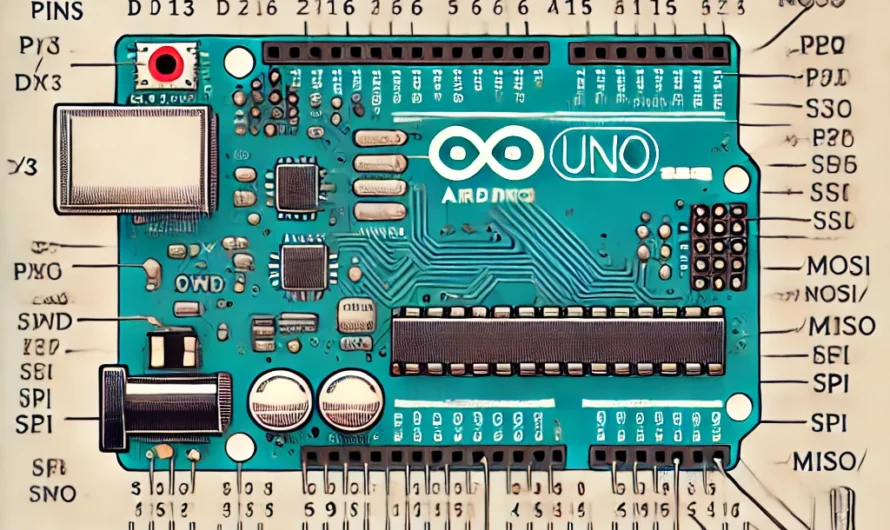
Arduino digital pins are highly versatile and can be used for basic I/O, PWM, serial communication, I2C/SPI interfaces, and interrupts. Whether controlling LEDs, reading sensors, or communicating with other devices, understanding digital pins unlocks the full potential of Arduino.
The FT232RL is a USB-to-serial (UART) bridge developed by FTDI (Future Technology Devices International). It is widely used for serial communication between microcontrollers (Arduino, ESP8266, STM32, etc.) and computers via USB
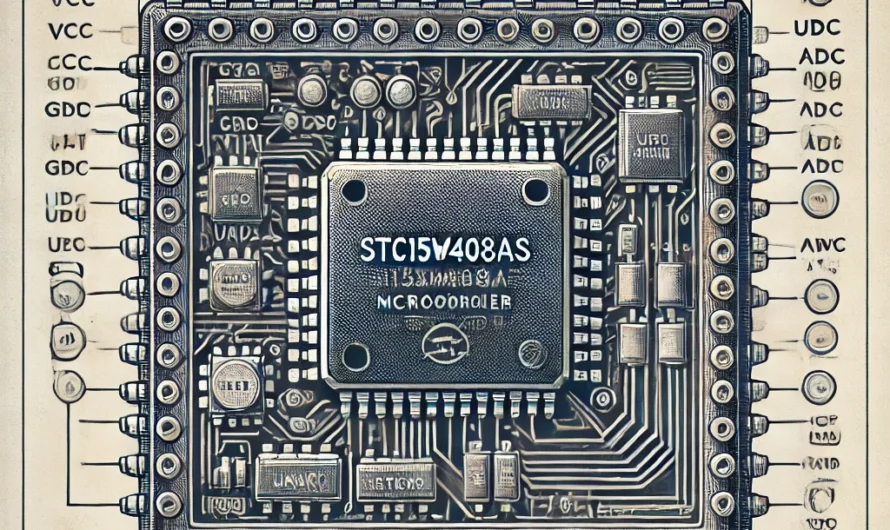
The STC15W408AS is a powerful, low-cost, and low-power microcontroller based on the 8051 architecture. It is ideal for simple embedded applications, but not as beginner-friendly as Arduino or STM32. It is best suited for home automation, motor control, and industrial projects where power efficiency is important.
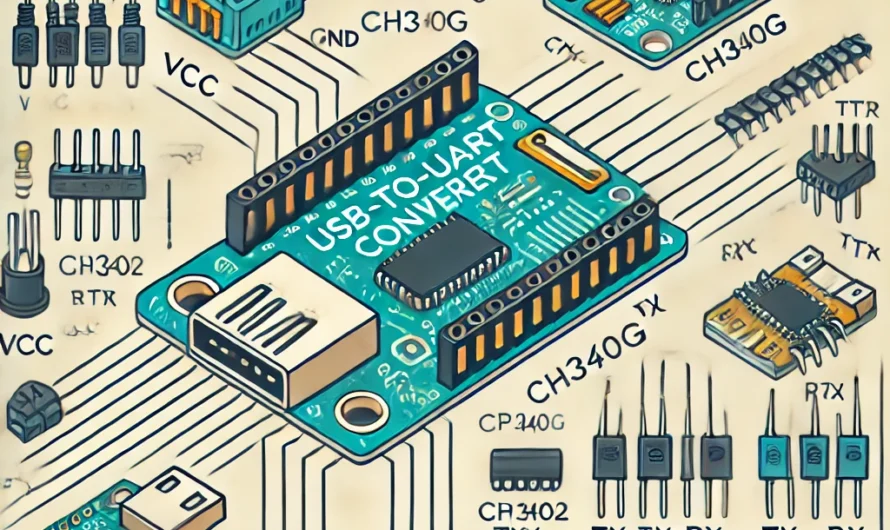
USB-to-UART converters enable communication between microcontrollers and computers.
A relay module allows an Arduino to control high-voltage devices like lights, fans, motors, or home appliances. Since Arduino operates at low voltage (3.3V/5V) and …