CD4017: Build a Ten-Step Light Sequencer and Catch an Extra Count
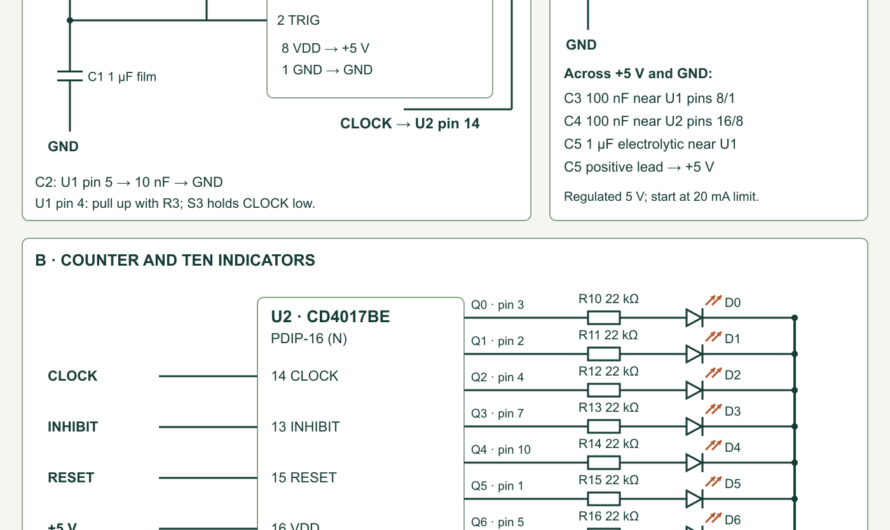
Build a 5 V CD4017 light sequencer with a TLC555 clock. Calculate timing and LED current, test reset and discover how inhibit can add a count.
Unravel the Mystery of Electronics
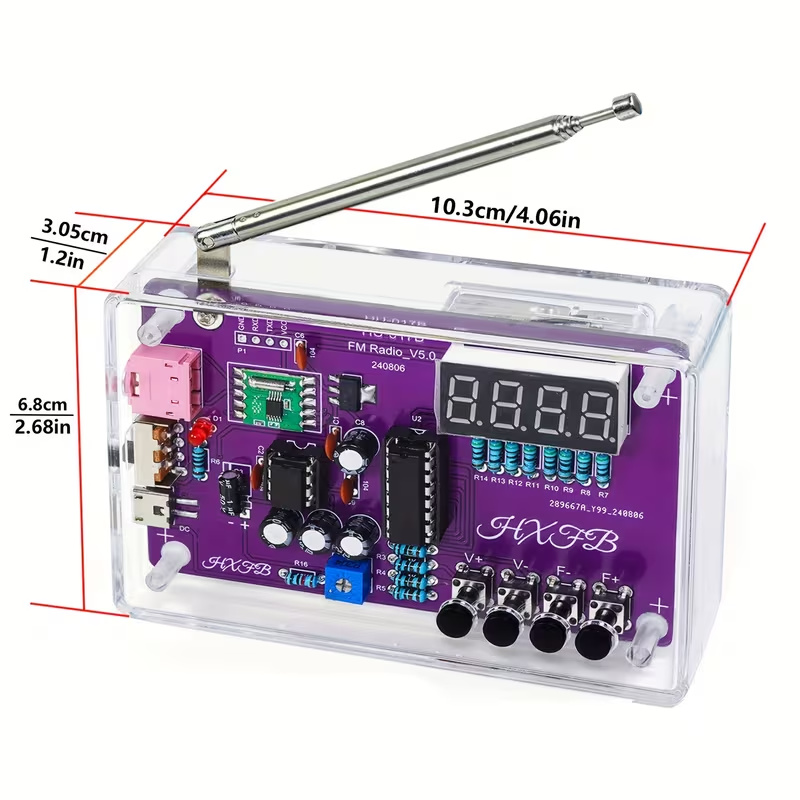
Soldering required. Check the supplied parts and board revision.
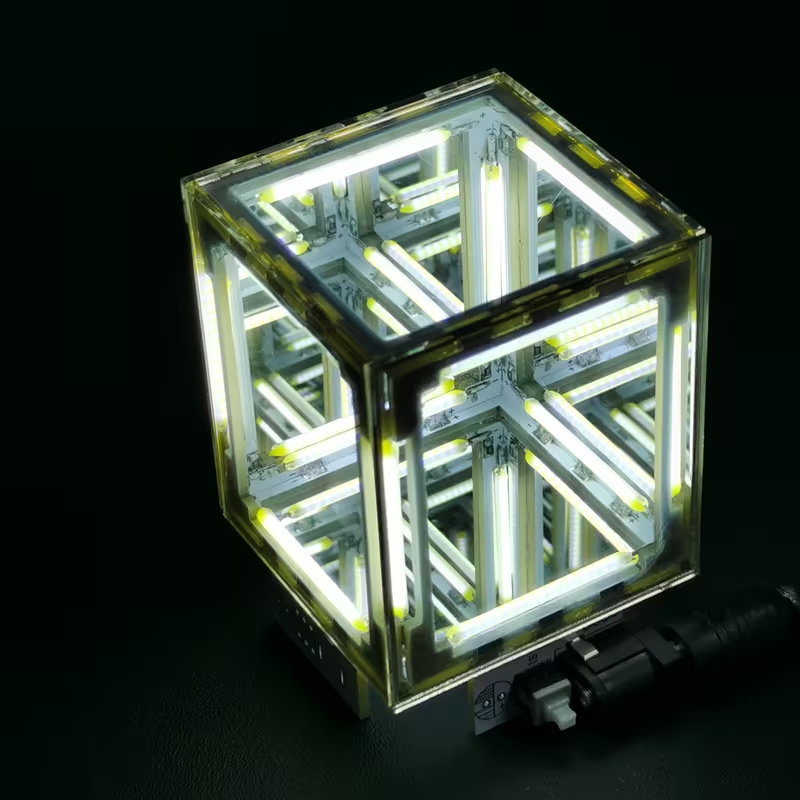
Listing specifies 5-volt direct current. Soldering required; battery and glue not included.
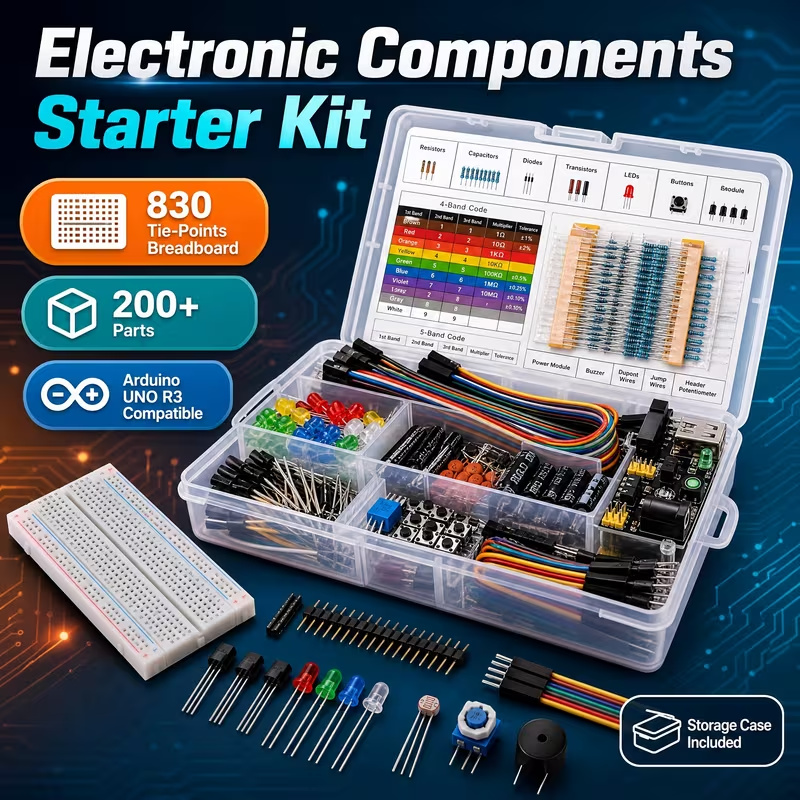
Breadboard, wires and assorted parts. Arduino controller board not included.
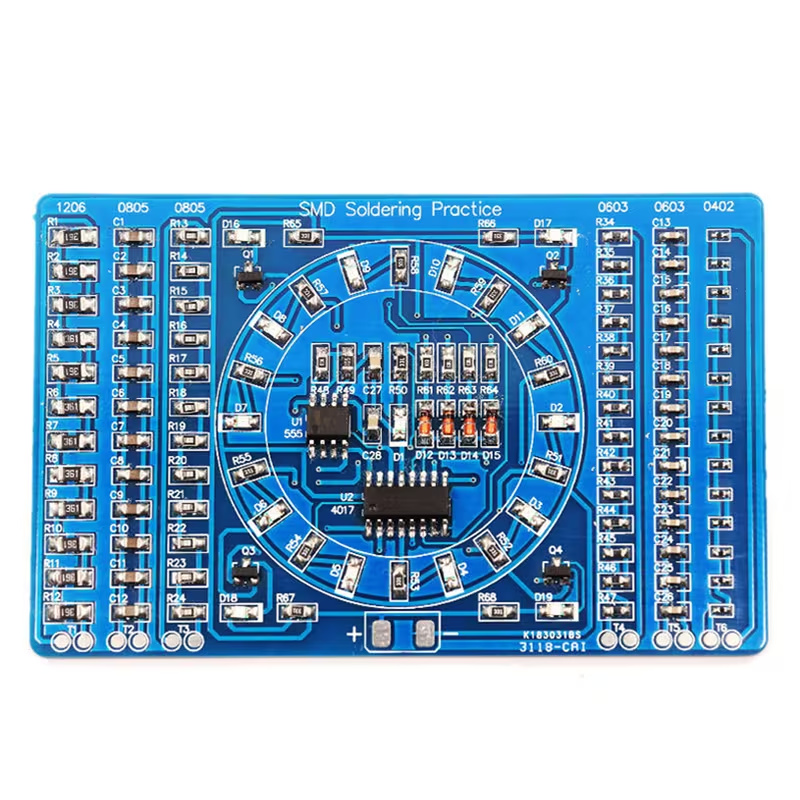
Surface-mount soldering practice. Battery and battery holder not included.
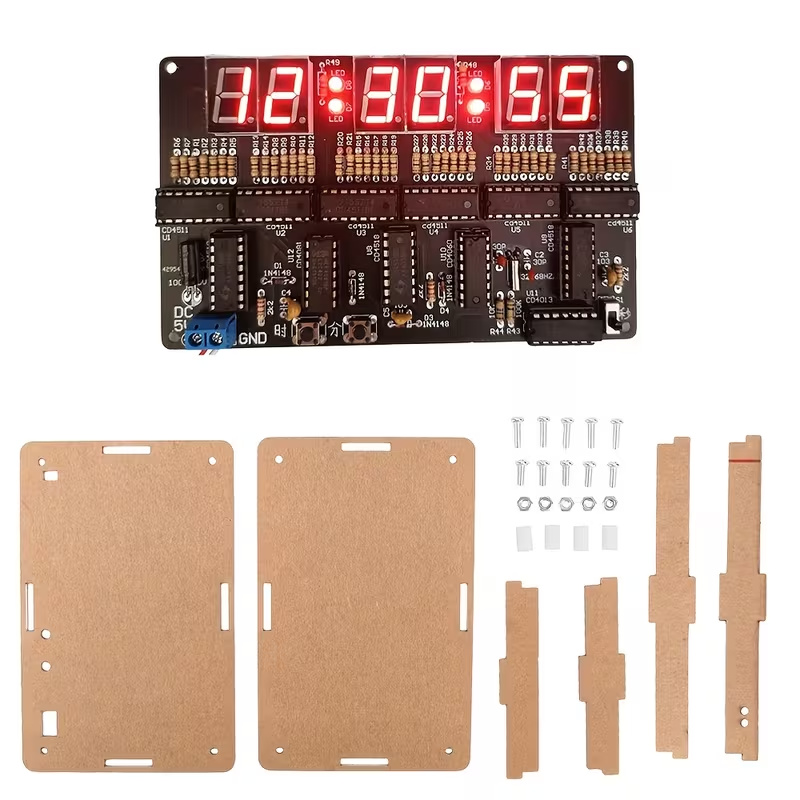
Clock-and-case project kit. Soldering required; check included parts and power requirements.
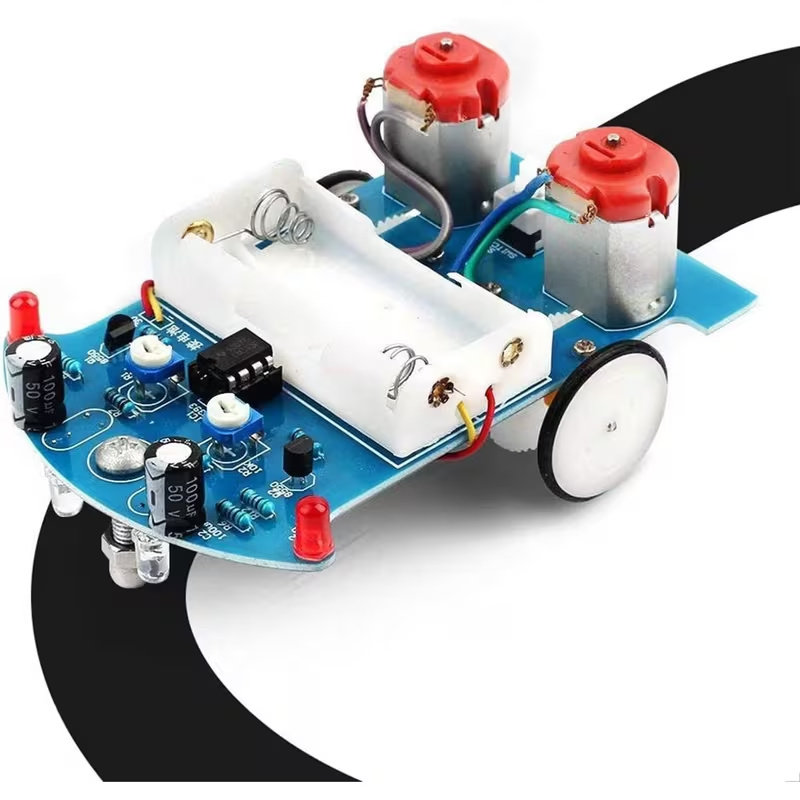
Soldering and assembly required. Check battery and track requirements before buying.
Tricky Circuit may earn a commission through these links. Product ideas have not been bench-tested by Tricky Circuit and are not verified lesson parts lists.
Build a 5 V CD4017 light sequencer with a TLC555 clock. Calculate timing and LED current, test reset and discover how inhibit can add a count.
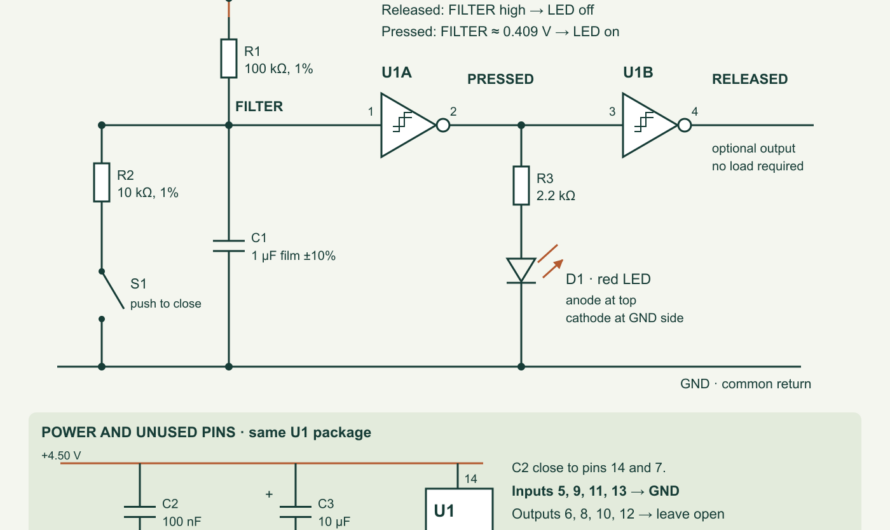
Build a button conditioner with TI SN74HC14N. Calculate unequal press and release delays, measure hysteresis and test the limits of RC debounce.
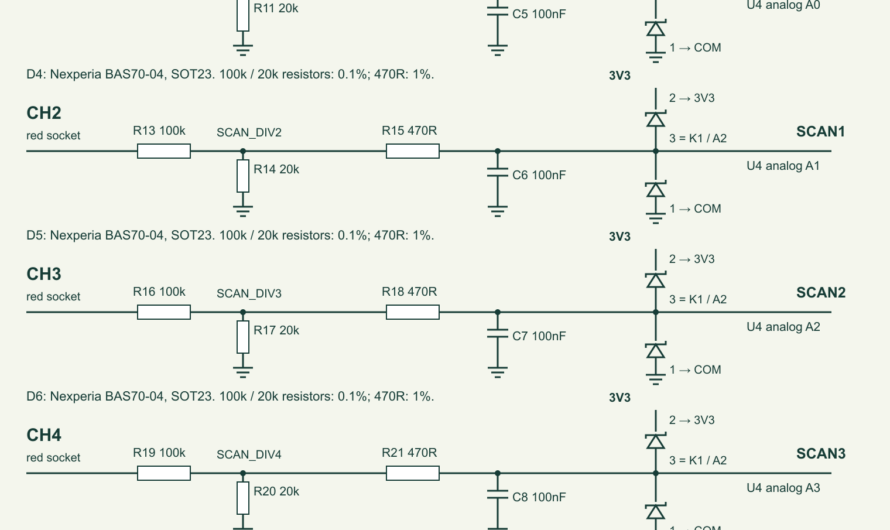
Monitor four low-voltage nodes with a Pico and ADS1115. Build separate input dividers, calibrate each channel, and see why sequential readings differ in time.
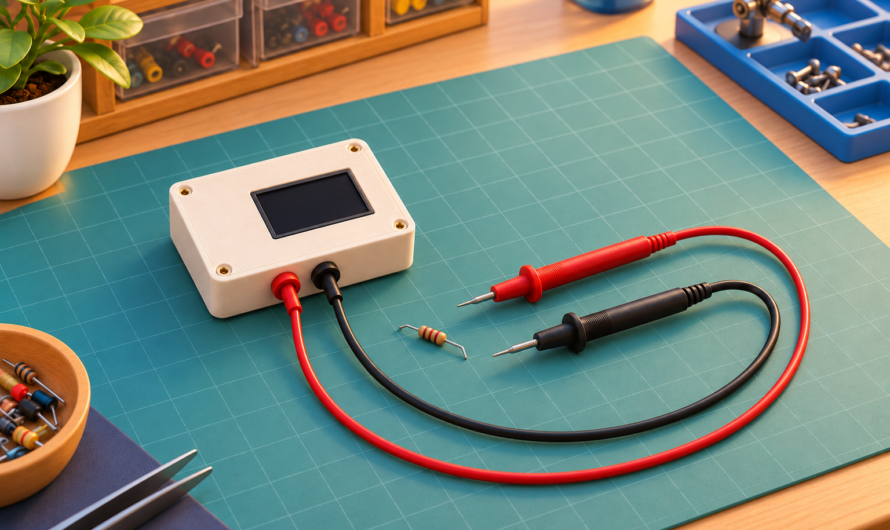
Build a battery-powered Pico meter for 0–12 V DC, resistance and continuity. Learn input loading, calibration and fault handling with complete code.
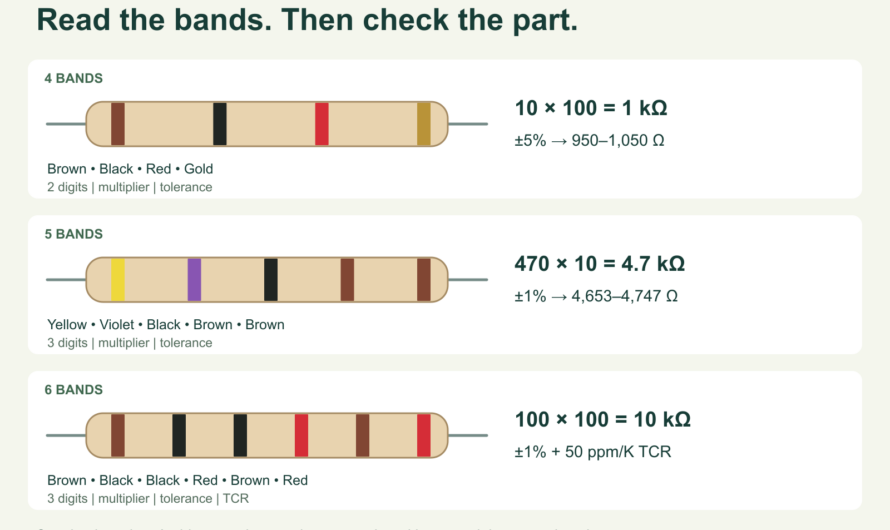
Read resistor colour bands, resolve the reading direction, calculate tolerance, and check loose resistors with a meter. Includes examples and common traps.
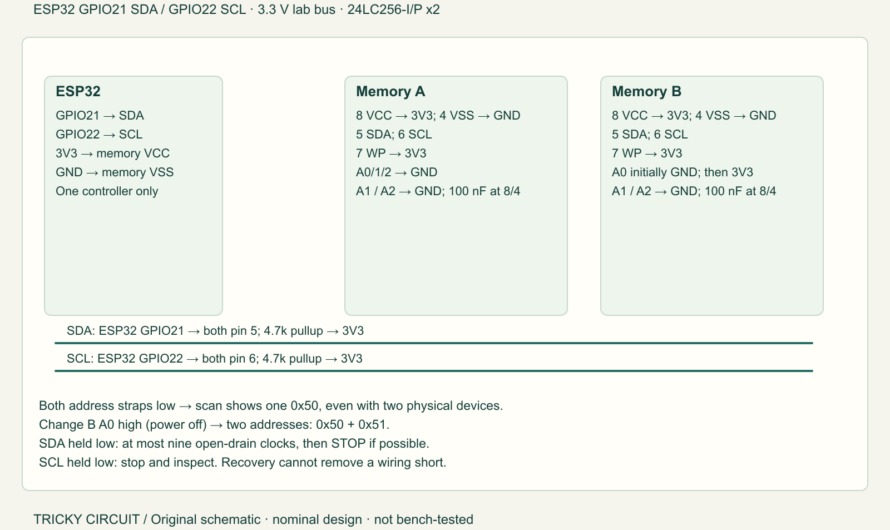
Inspect a 3.3 V I2C test bus before scanning. Separate missing acknowledgements from stuck lines, demonstrate address collisions and attempt bounded open-drain recovery.
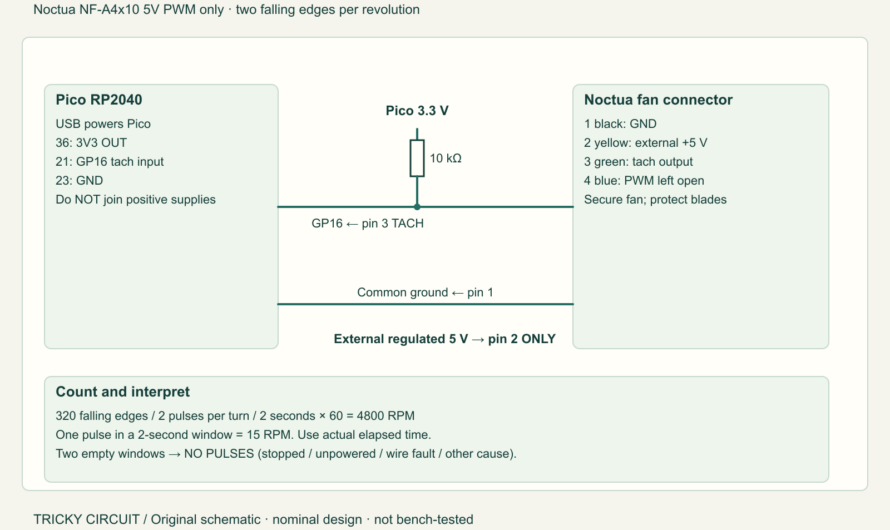
Read the documented tach output of a 5 V Noctua fan with a Pico. Calculate RPM from two pulses per revolution and distinguish no pulses from a diagnosed stall.
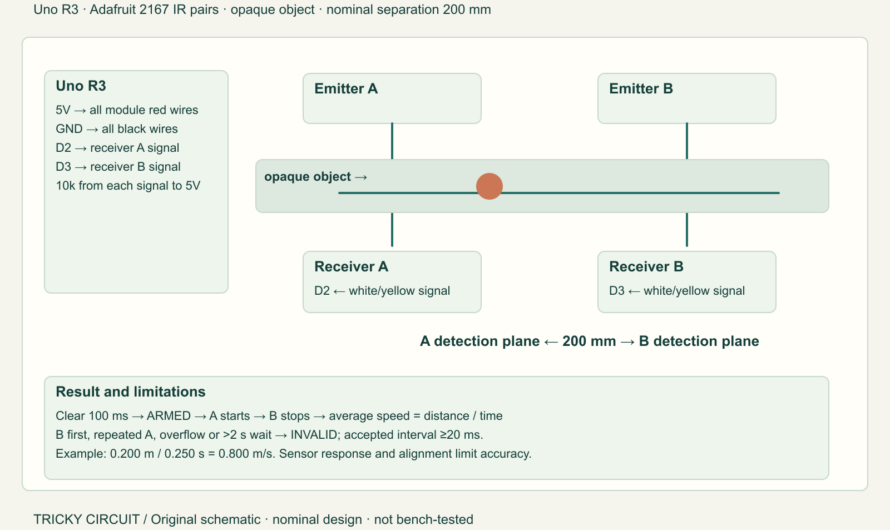
Time an opaque ball between two optical gates on an Uno. Check event order, reject incomplete runs and calculate average speed with spacing and sensor-delay uncertainty.
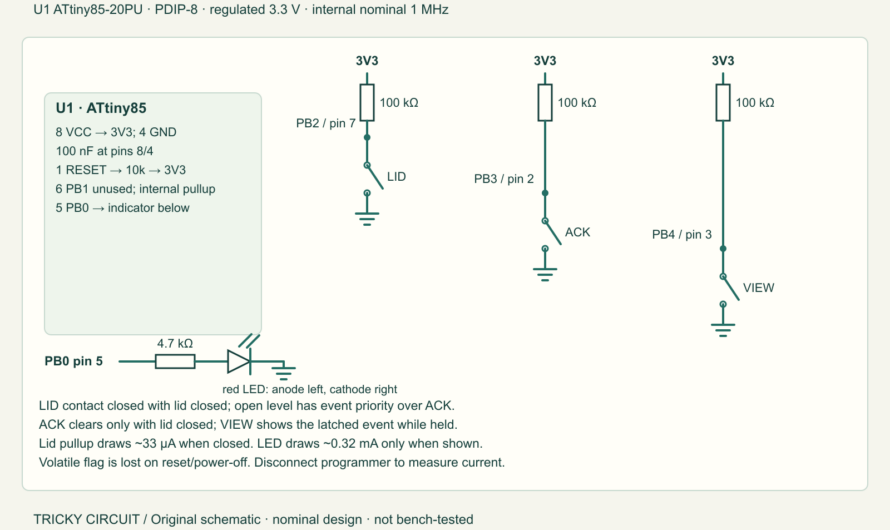
Build a sleeping ATtiny85 mailbox flag with a lid contact, acknowledge button and press-to-view LED. Measure the complete current budget instead of guessing battery life.
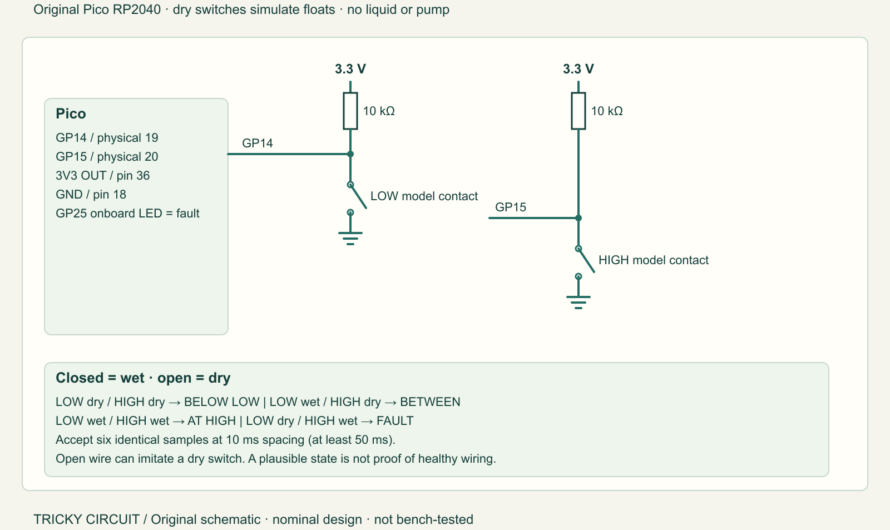
Model low and high float contacts with two switches. Debounce the pair, display three plausible tank levels and flag the impossible combination before adding any actuator.
Explore these do-it-yourself project kits. Check the selected option, included parts and instructions on each offer.
Tricky Circuit may earn a commission if you buy through these Temu affiliate links. These are product ideas; they have not been bench-tested by Tricky Circuit and are not verified lesson parts lists.
Supplier product photo
Soldering required. Check the supplied parts and board revision.
Supplier product photo
Listing specifies 5-volt direct current. Soldering required; battery and glue not included.
Supplier product photo
Breadboard, wires and assorted parts. Arduino controller board not included.
Supplier product photo
Surface-mount soldering practice. Battery and battery holder not included.
Supplier product photo
Clock-and-case project kit. Soldering required; check included parts and power requirements.
Supplier product photo
Soldering and assembly required. Check battery and track requirements before buying.