Pico TSL2591: Change Range Without Relabelling an Old Reading
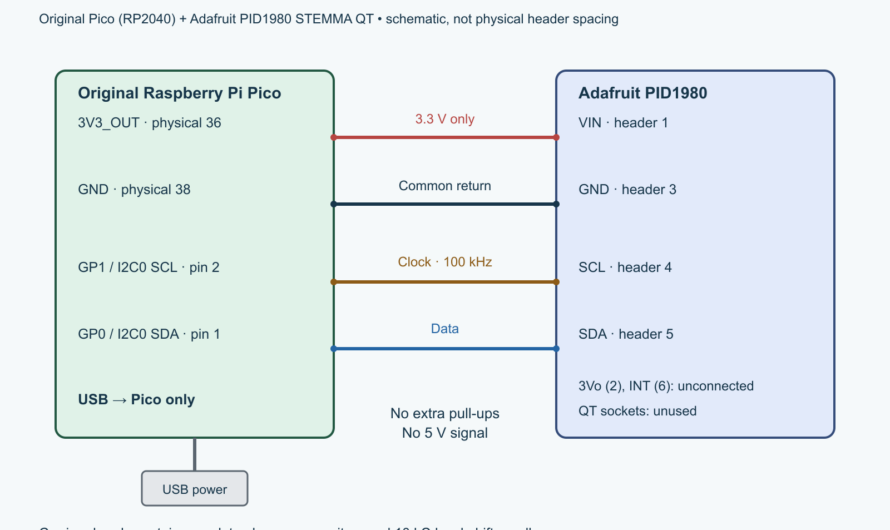
Acquire new TSL2591 raw exposures after gain and integration changes, reject either clipped channel, and track the limits of host-observed freshness.
Unravel the Mystery of Electronics
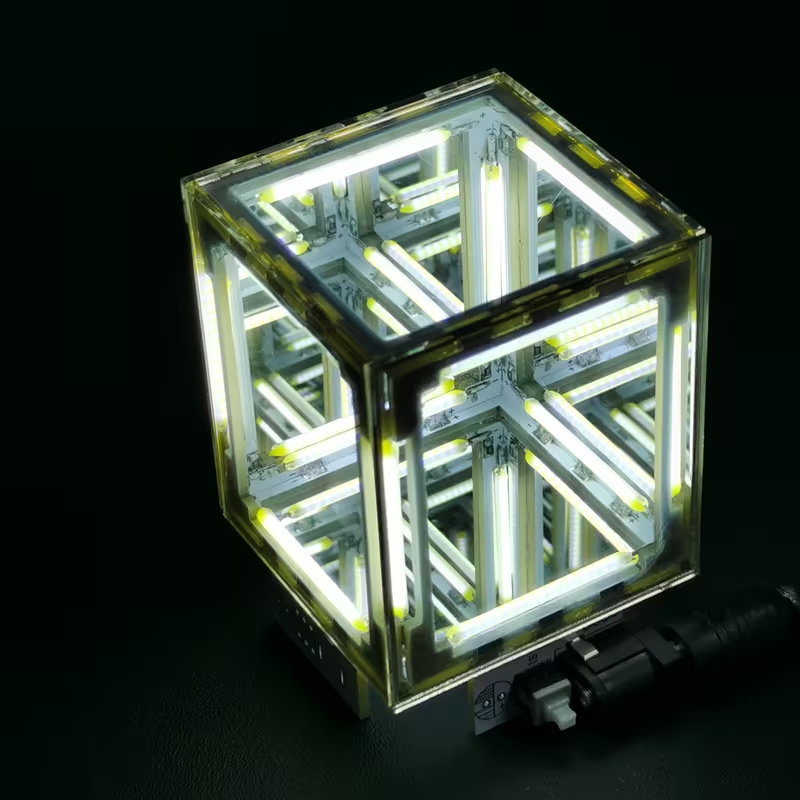
Listing specifies 5-volt direct current. Soldering required; battery and glue not included.
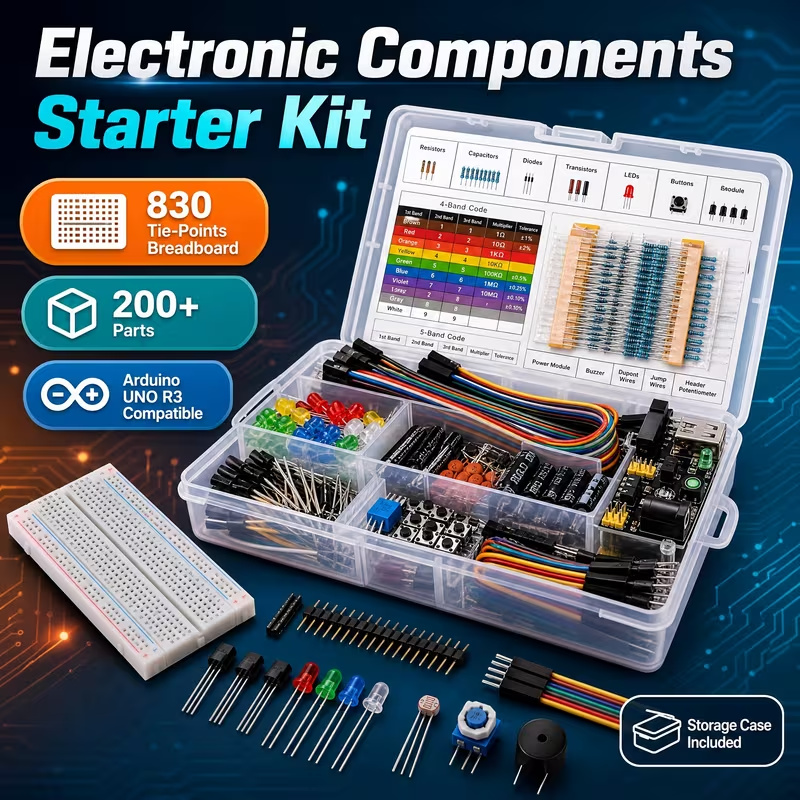
Breadboard, wires and assorted parts. Arduino controller board not included.
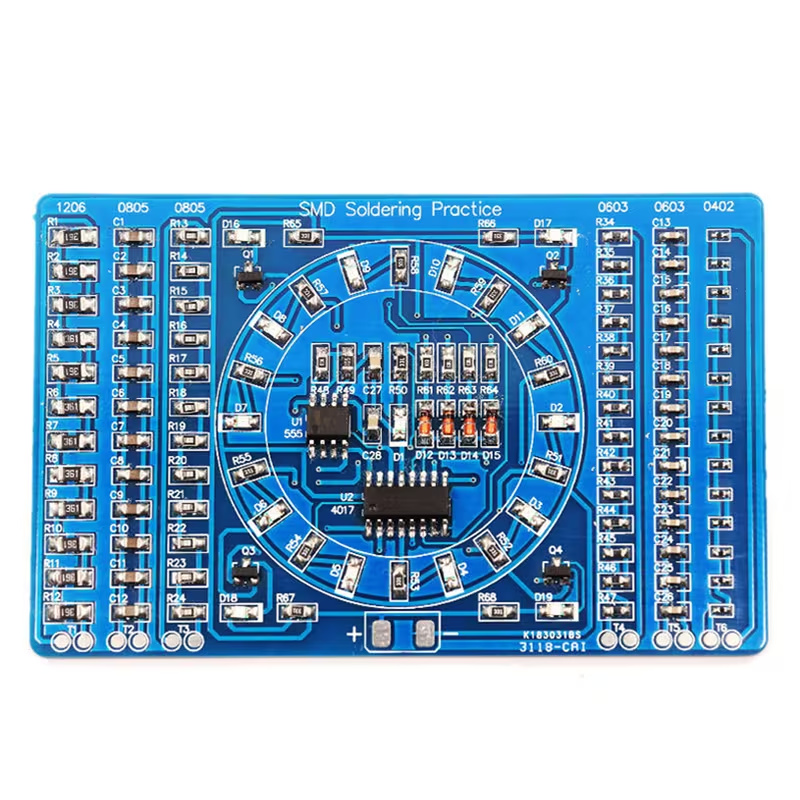
Surface-mount soldering practice. Battery and battery holder not included.
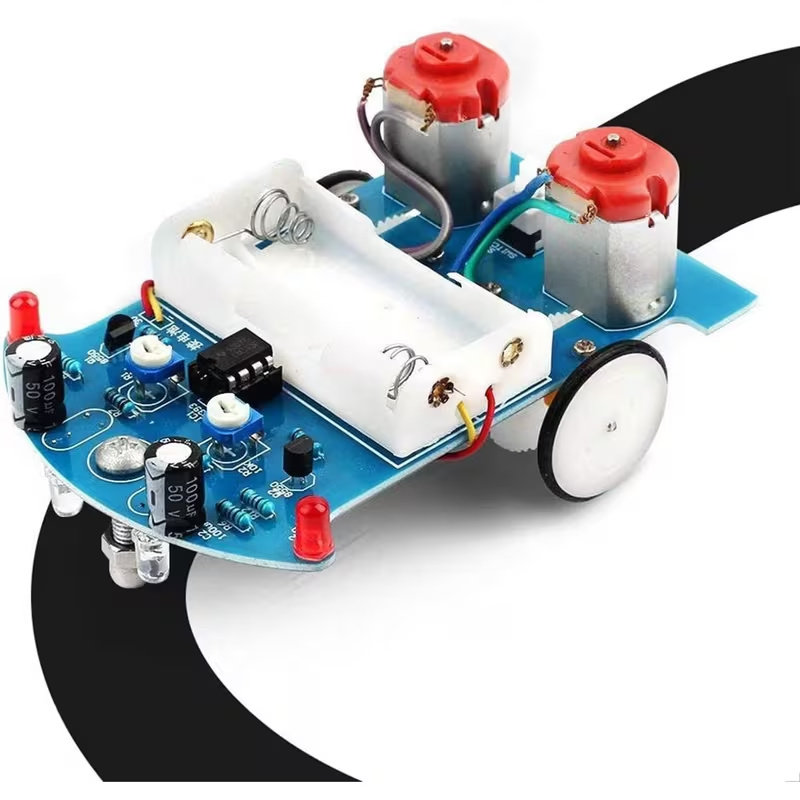
Soldering and assembly required. Check battery and track requirements before buying.
Tricky Circuit may earn a commission through these links. Product ideas have not been bench-tested by Tricky Circuit and are not verified lesson parts lists.
Acquire new TSL2591 raw exposures after gain and integration changes, reject either clipped channel, and track the limits of host-observed freshness.
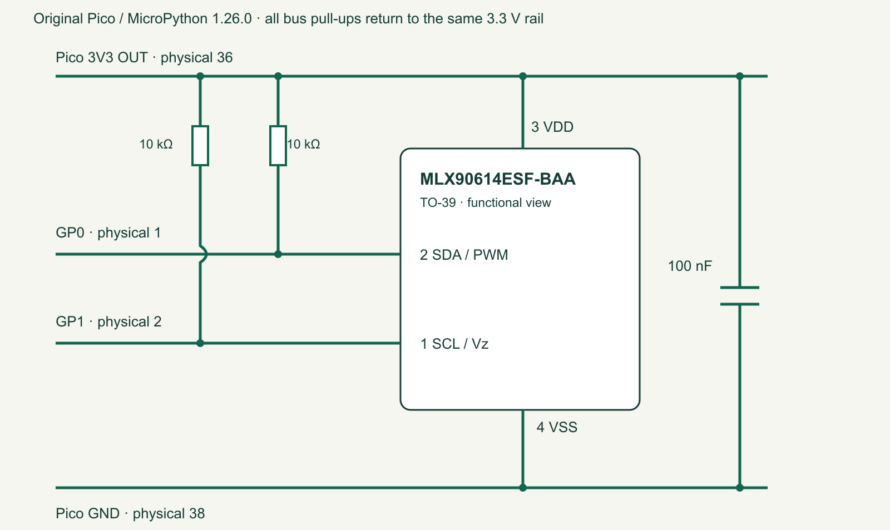
Connect the exact three-volt MLX90614 to Pico, verify PEC and error flags, and investigate why target size, distance, emissivity and package temperature affect an apparent reading.
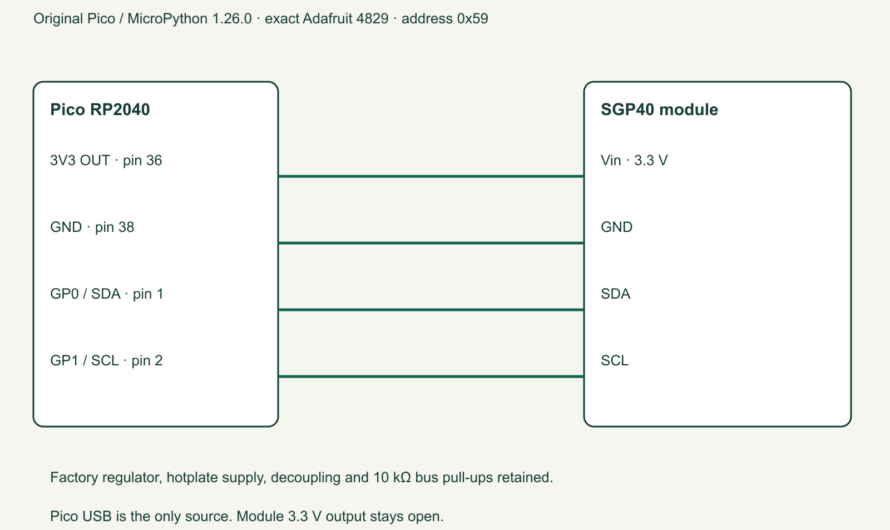
Read raw SGP40 gas counts on Pico with CRC, self-test and a controlled cadence. Keep compensation assumptions, conditioning and unimplemented concentration/index outputs explicit.
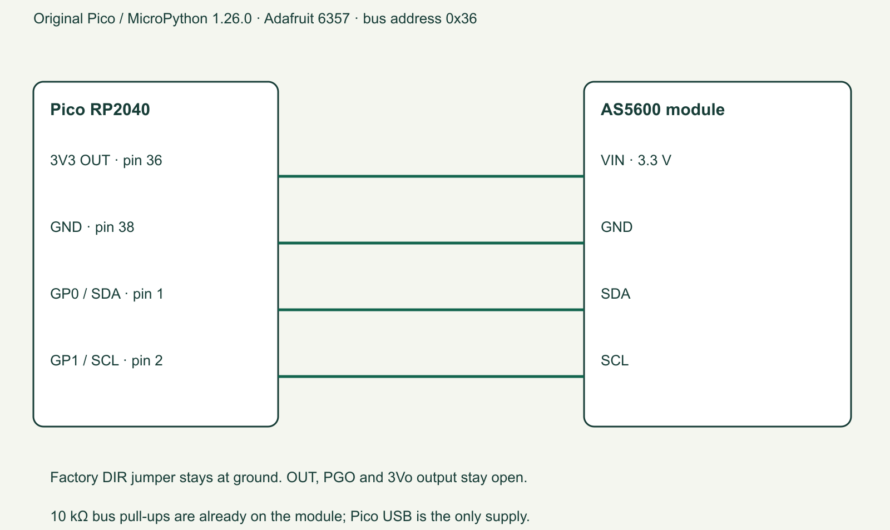
Read an exact AS5600 module with Pico, qualify magnet status and cross the zero boundary. Learn why gaps and unseen turns invalidate an accumulated angle.
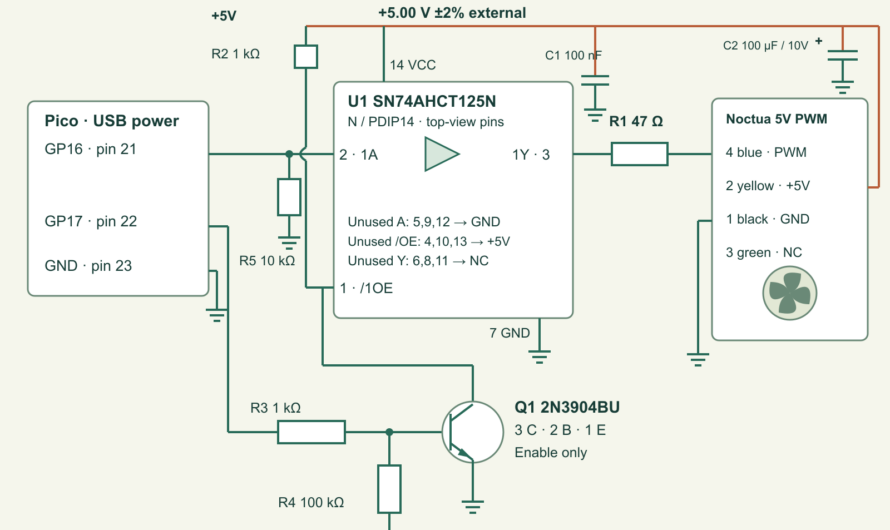
Build a defined 25kHz fan command through a 5 V buffer. Keep motor power separate, release the output on cleanup and distinguish commanded duty from measured RPM.
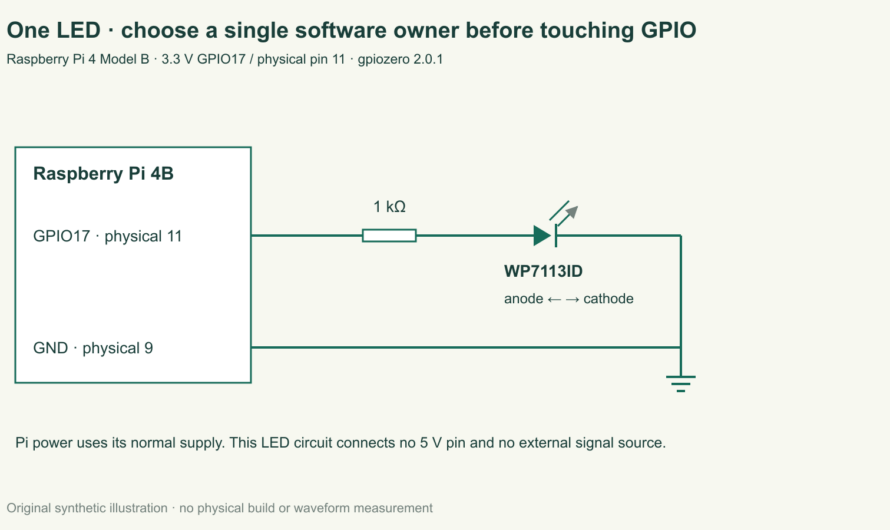
Use an advisory local lock before claiming a Pi LED. Test two-process exclusion, normal cleanup, forced death and why deleting a lock file can break ownership.
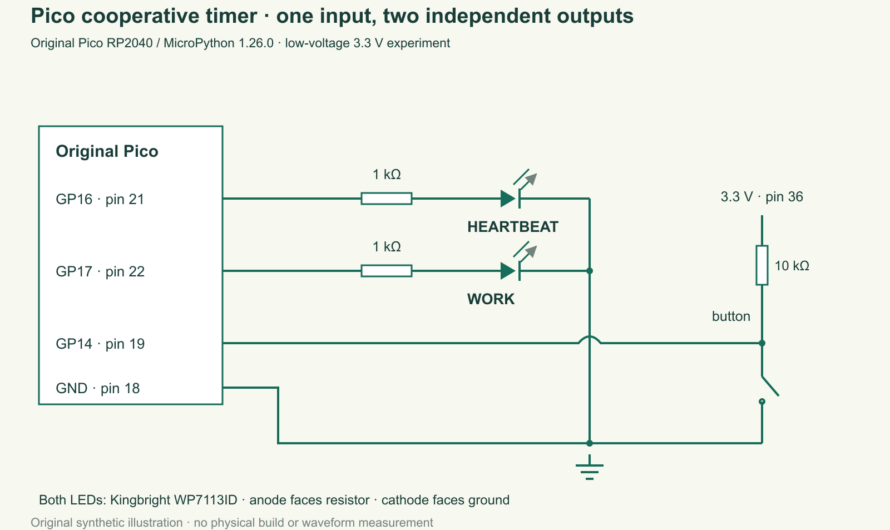
Run a cancellable five-second light beside a heartbeat. Explore modular deadlines, settled presses, missed-edge coalescing and an explicit late-loop stop.
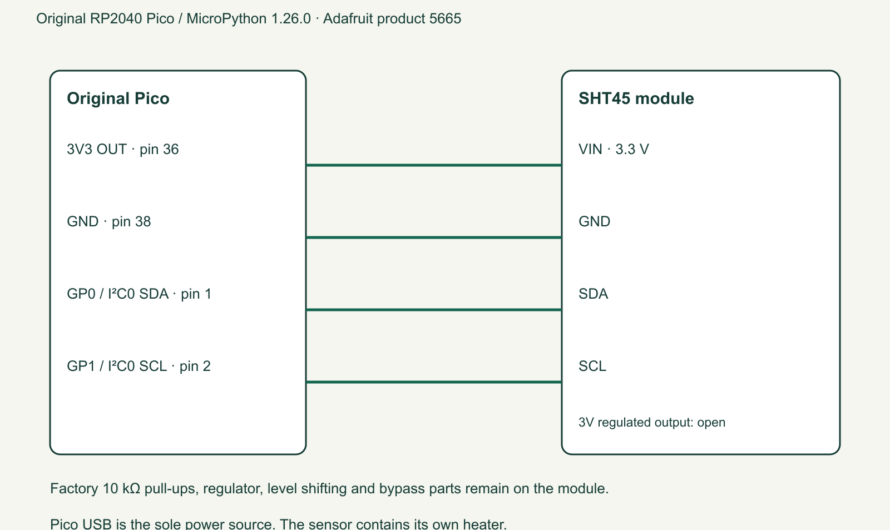
Observe one low-power SHT45 heater pulse on Pico. Check both CRC words, preserve diagnostic readings and require a stable return near the earlier baseline without inventing ambient humidity.
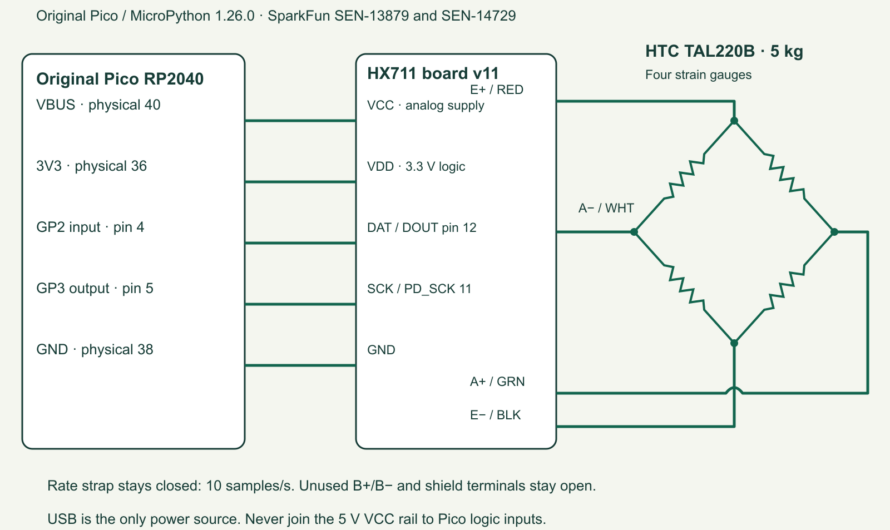
Build an HX711 and TAL220B scale lab on Pico. Keep tare and span calibration separate, refuse unstable windows and preserve drift instead of automatically zeroing it.
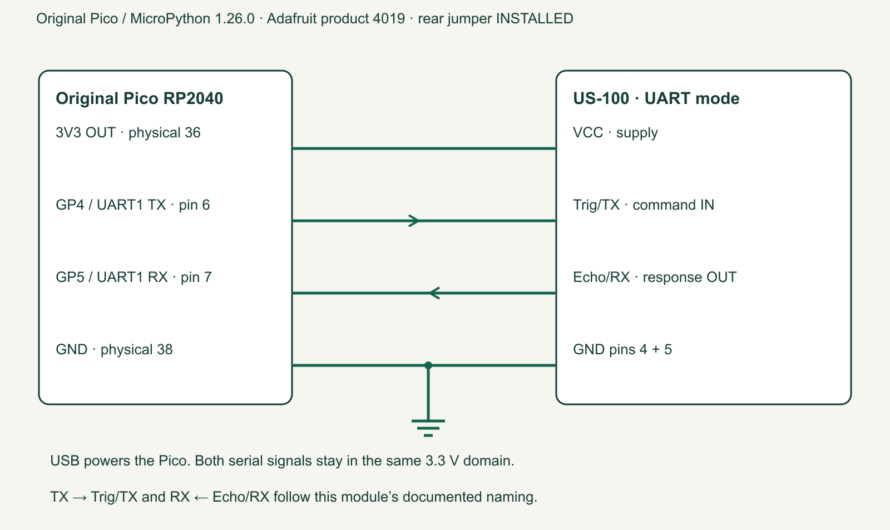
Build a US-100 UART sonar lab on Pico. Refuse stale, partial and missing responses, then explore why target angle and material can change a plausible distance.
Explore these do-it-yourself project kits. Check the selected option, included parts and instructions on each offer.
Tricky Circuit may earn a commission if you buy through these Temu affiliate links. These are product ideas; they have not been bench-tested by Tricky Circuit and are not verified lesson parts lists.
Supplier product photo
Listing specifies 5-volt direct current. Soldering required; battery and glue not included.
Supplier product photo
Breadboard, wires and assorted parts. Arduino controller board not included.
Supplier product photo
Surface-mount soldering practice. Battery and battery holder not included.
Supplier product photo
Soldering and assembly required. Check battery and track requirements before buying.