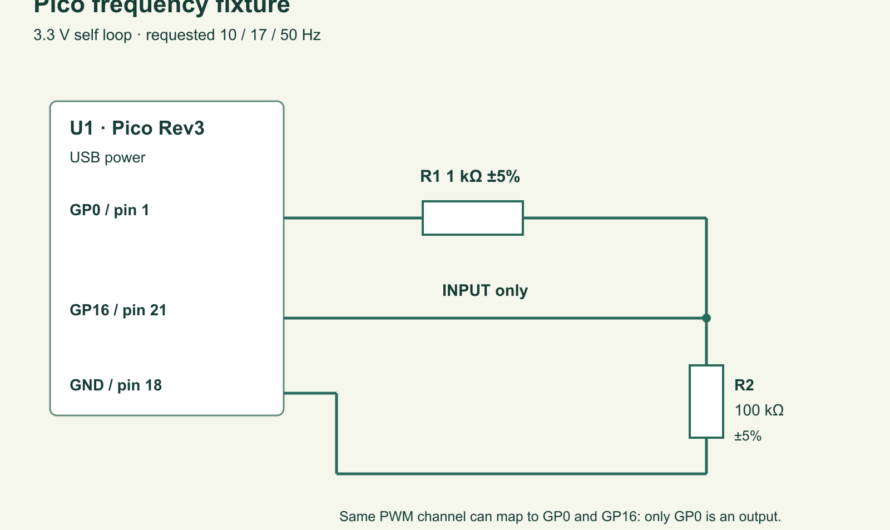
Pico Frequency Lab: Count a Window, Then Measure a Period
Compare edge counts and reciprocal periods with a Pico loopback fixture. Learn counting steps, sampling-gap refusals and why a shared clock cannot calibrate itself.
Unravel the Mystery of Electronics
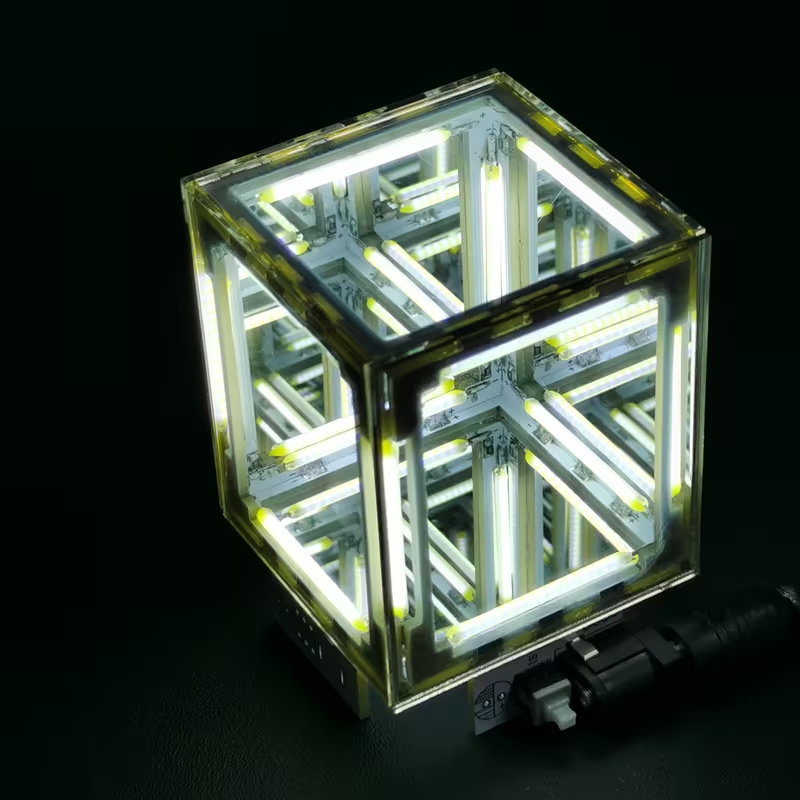
Listing specifies 5-volt direct current. Soldering required; battery and glue not included.
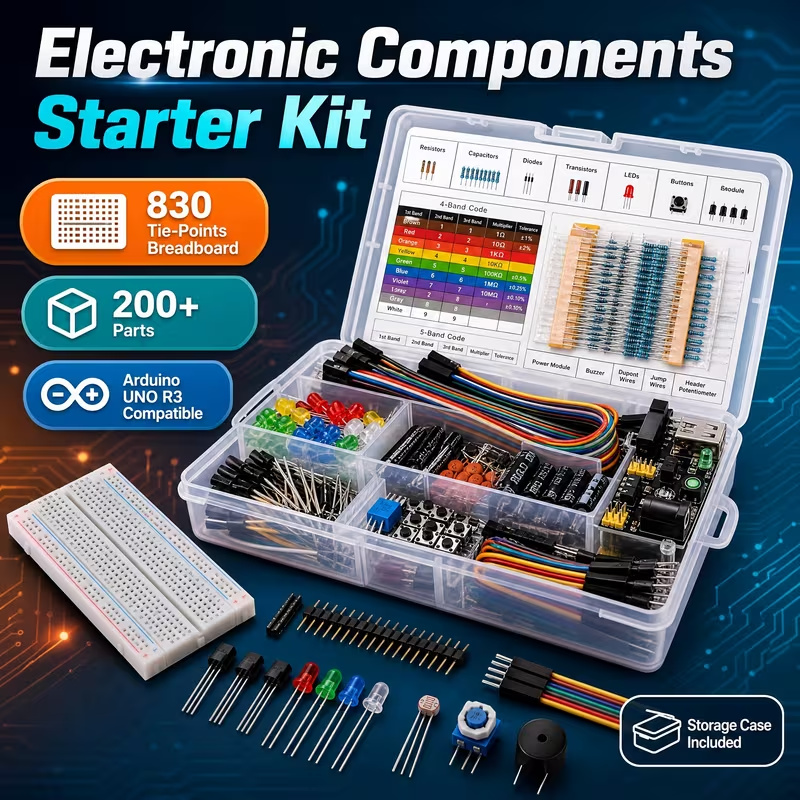
Breadboard, wires and assorted parts. Arduino controller board not included.
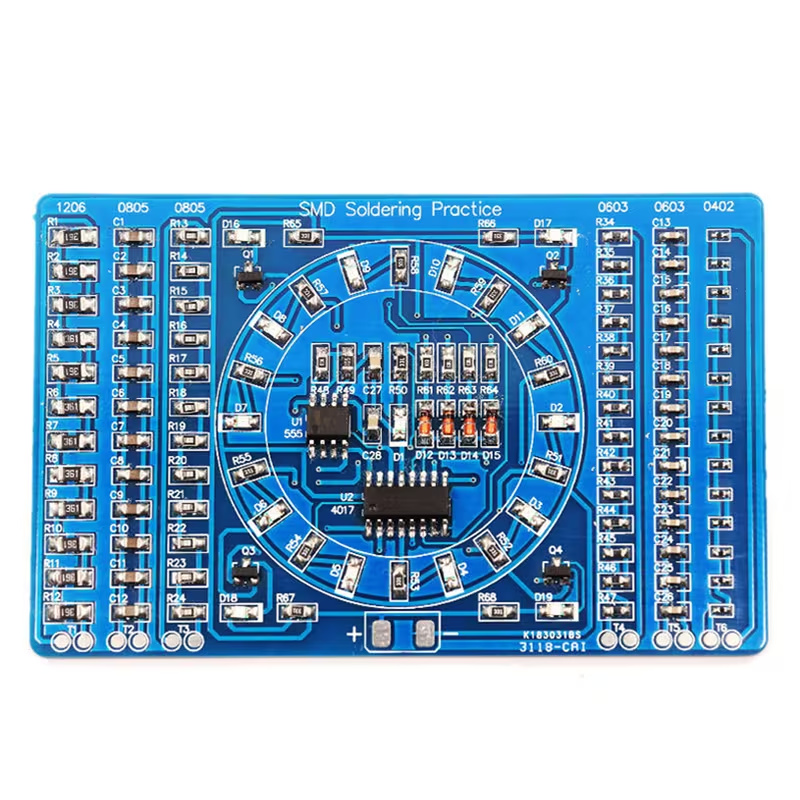
Surface-mount soldering practice. Battery and battery holder not included.
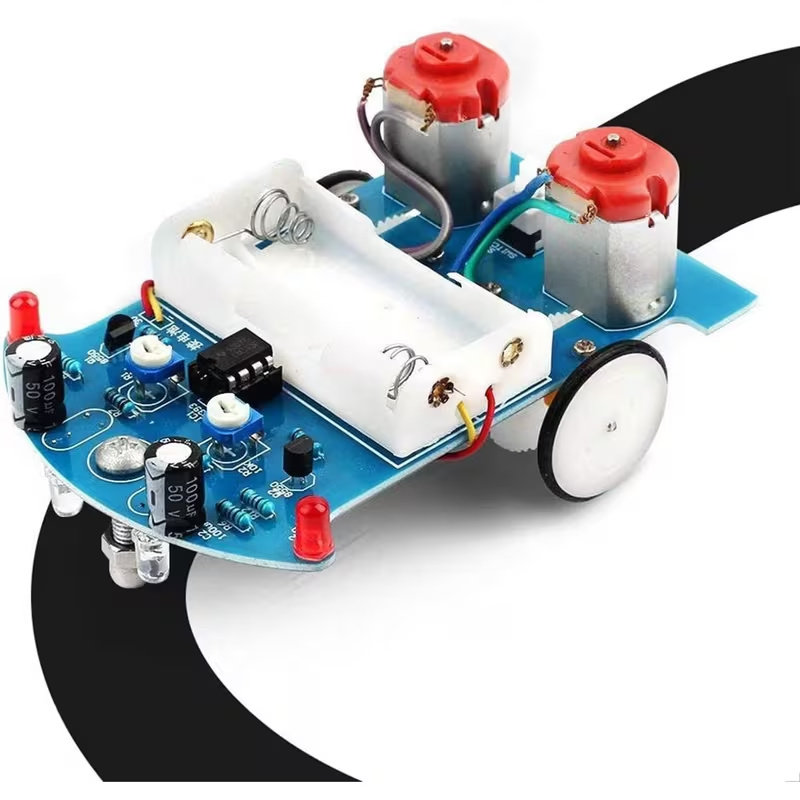
Soldering and assembly required. Check battery and track requirements before buying.
Tricky Circuit may earn a commission through these links. Product ideas have not been bench-tested by Tricky Circuit and are not verified lesson parts lists.
Compare edge counts and reciprocal periods with a Pico loopback fixture. Learn counting steps, sampling-gap refusals and why a shared clock cannot calibrate itself.
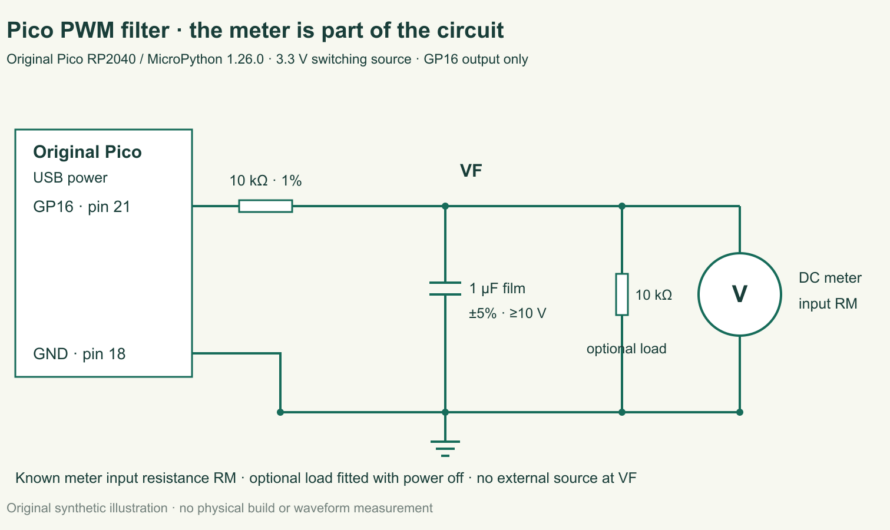
Derive exact exponential PWM-filter ripple, include the meter as a load, and compare 1 kHz with 10 kHz using a complete Pico trial and ideal calculator.
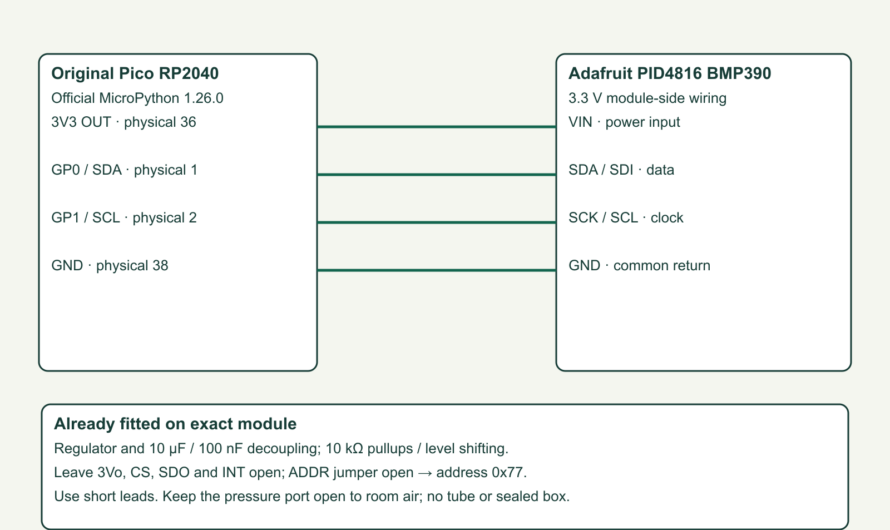
Read fresh BMP390 pressure with a complete Pico driver. Track a short-lived local reference and show why weather, heating and air models prevent an automatic exact height.
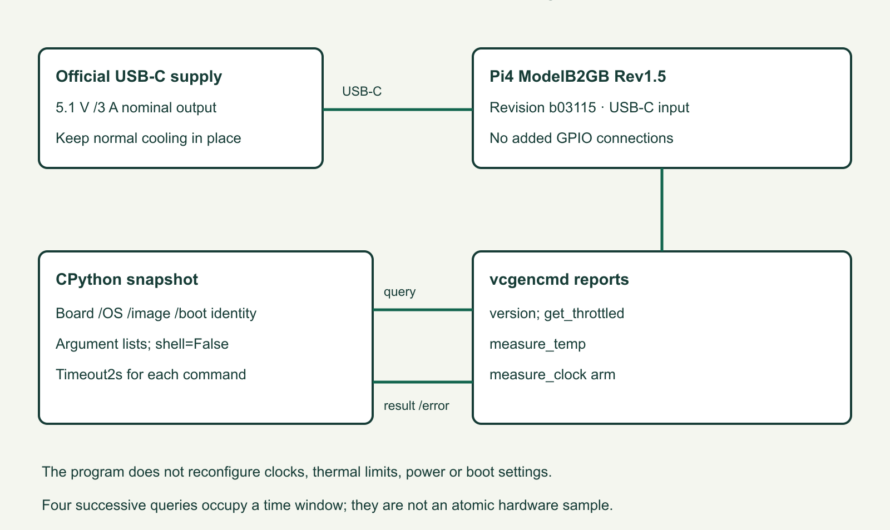
Decode Raspberry Pi4 current and historical health flags separately. Use a read-only Python snapshot that preserves unknown bits, command failures and firmware identity.
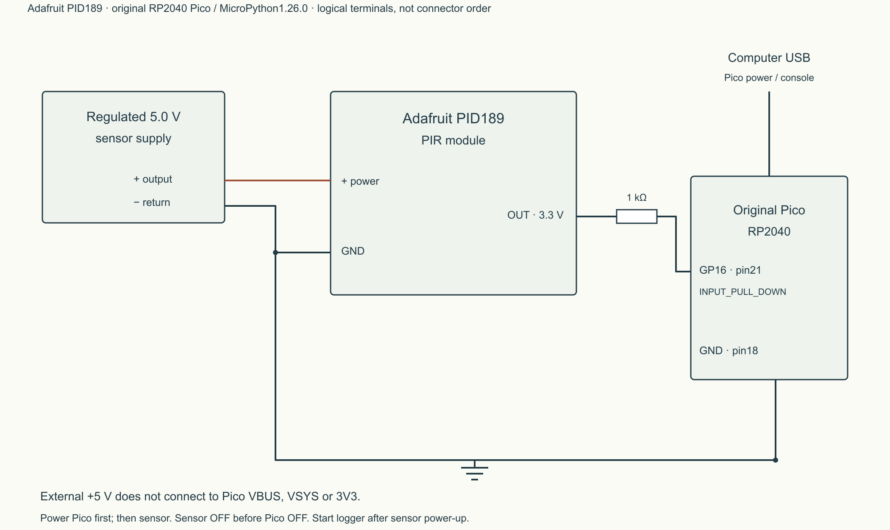
Measure PIR output intervals with a Pico while separating startup, H/L retriggering and software qualification—and never turn pulses into a people count.
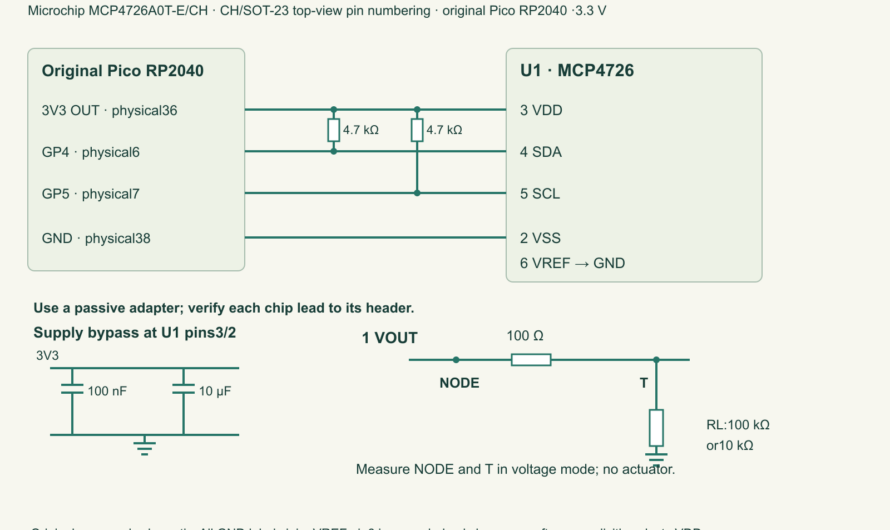
Generate three MCP4726 voltage steps at3.3 V. Compare DAC node and loaded terminal, calculate reference and resistor effects, and keep bus acknowledgements separate from measurements.
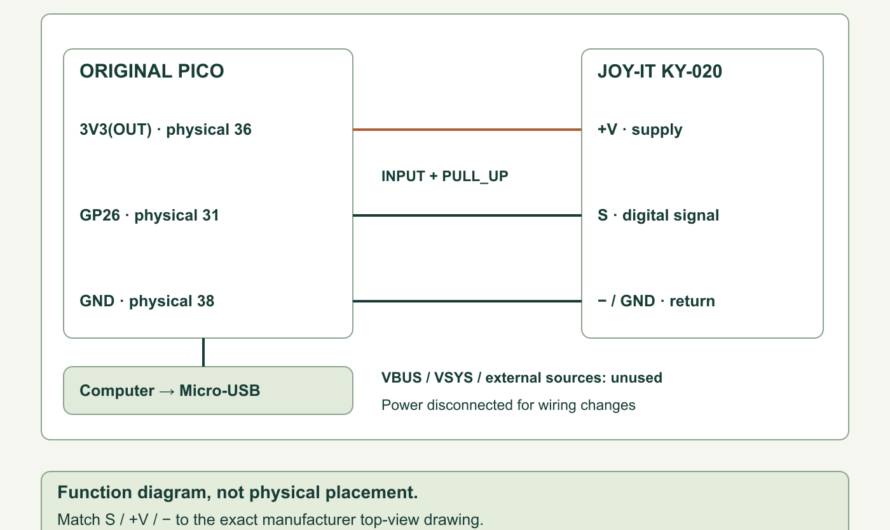
Build a Joy-IT KY-020 and Pico event logger. Separate startup, contact chatter, settled transitions, missed short pulses and sampling gaps with complete MicroPython code.
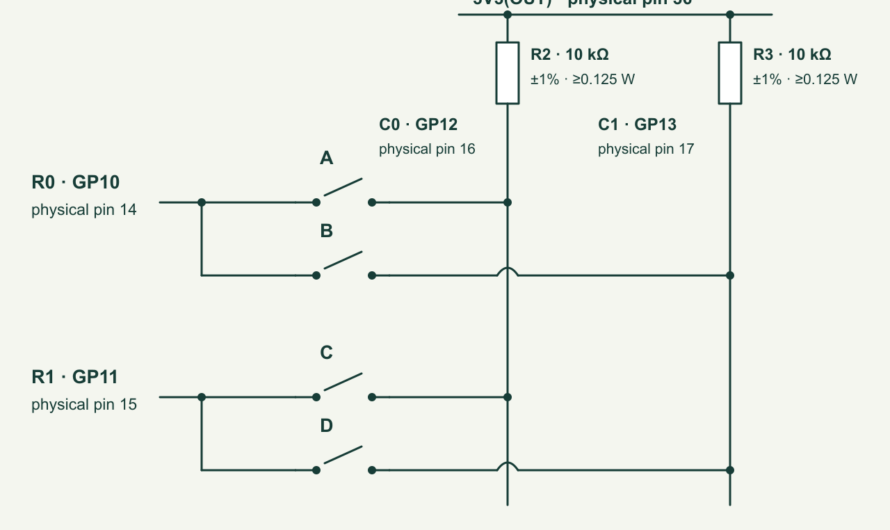
Build a diode-free Pico button matrix, trace a three-key ghost path, and reject ambiguous frames with complete scanning and debounce code.
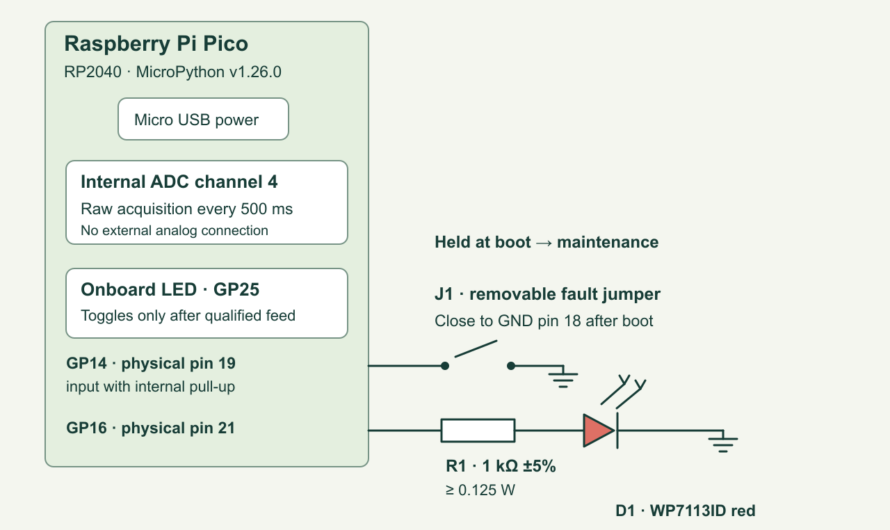
Build a Pico watchdog experiment that feeds only after fresh acquisitions, catches a stalled task and enters a visible maintenance hold after reset.
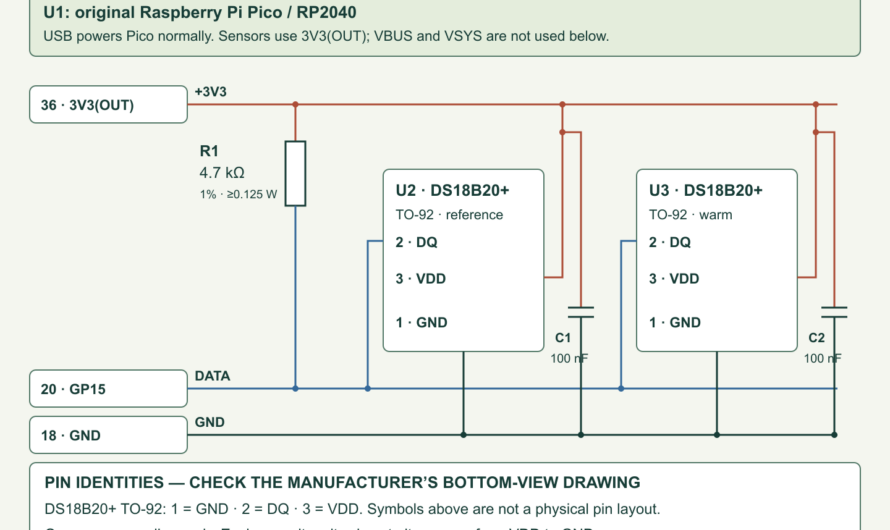
Read two DS18B20 sensors on one Pico pin. Keep physical channel names tied to ROM IDs and report missing sensors, CRC errors and reset ambiguity.
Explore these do-it-yourself project kits. Check the selected option, included parts and instructions on each offer.
Tricky Circuit may earn a commission if you buy through these Temu affiliate links. These are product ideas; they have not been bench-tested by Tricky Circuit and are not verified lesson parts lists.
Supplier product photo
Listing specifies 5-volt direct current. Soldering required; battery and glue not included.
Supplier product photo
Breadboard, wires and assorted parts. Arduino controller board not included.
Supplier product photo
Surface-mount soldering practice. Battery and battery holder not included.
Supplier product photo
Soldering and assembly required. Check battery and track requirements before buying.