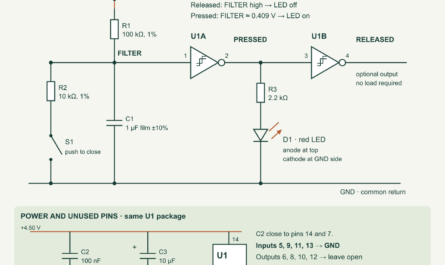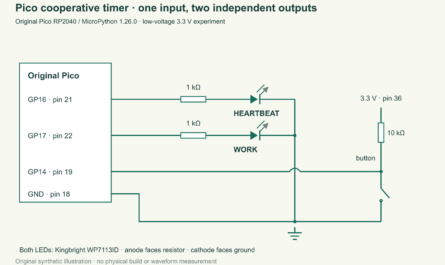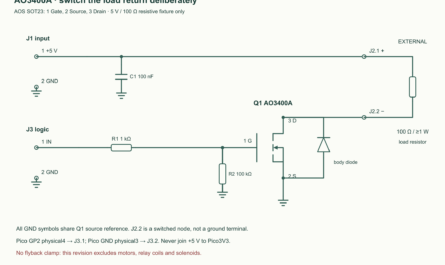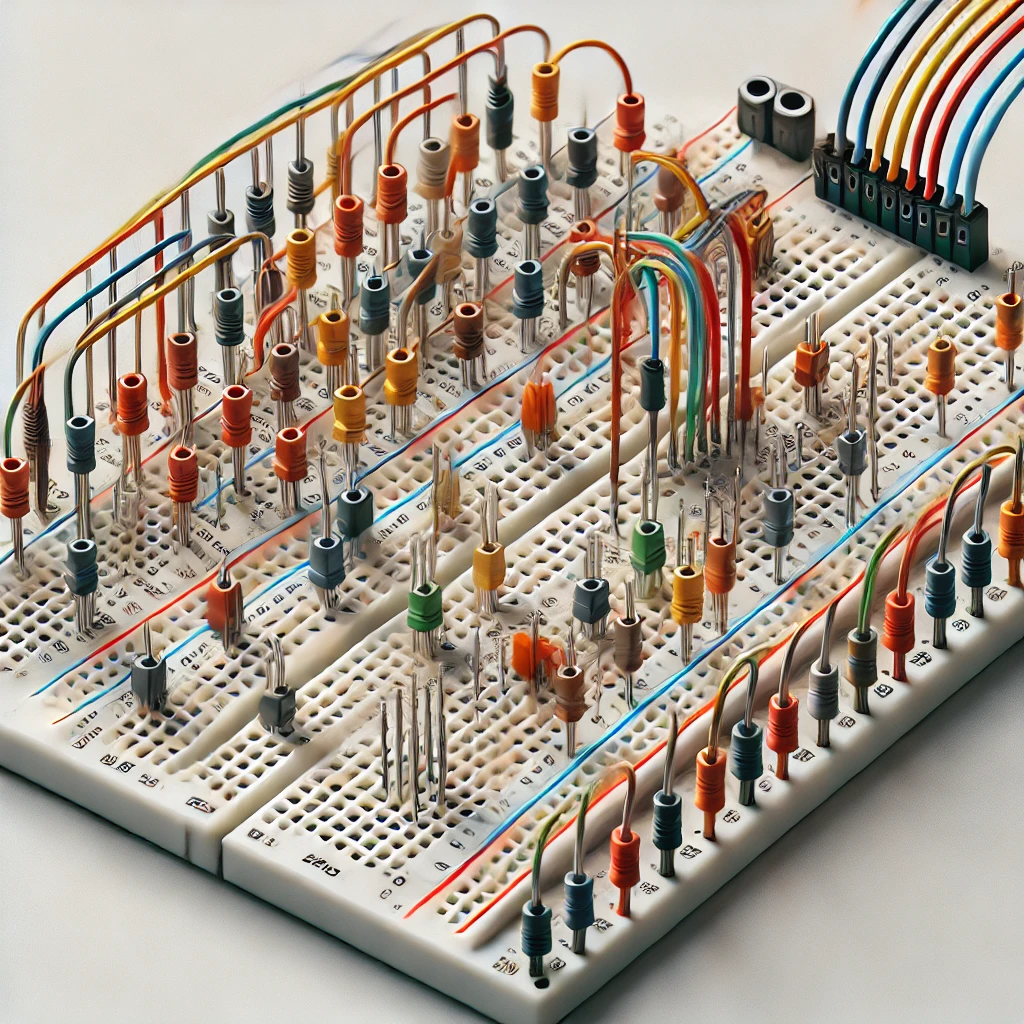
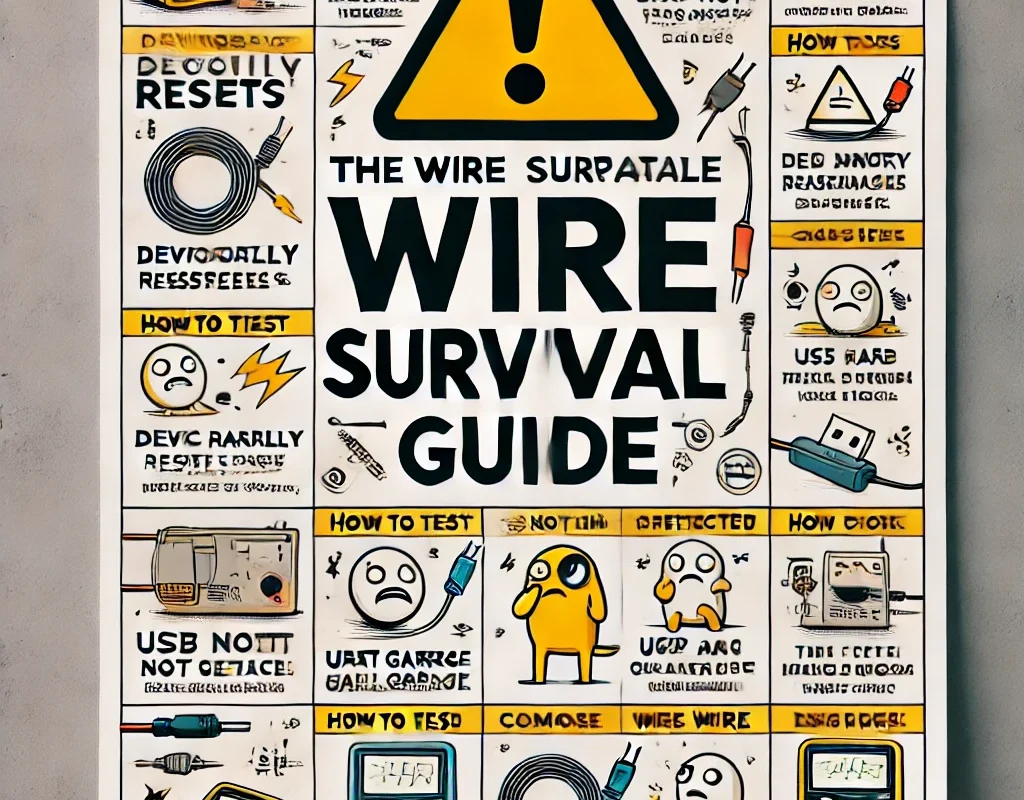
(for makers, engineers, and victims of cheap cables)
🧠 Why Wires Actually Matter
Wires carry your signals.
And sometimes, they murder them in cold, copperless silence.
Without good wires:
- Your power rails drop
- Your UART spews garbage
- Your ESP32 randomly resets
- And your sanity evaporates
⚠️ Common Wire-Related Problems
| Problem | Symptoms | Likely Cause |
|---|---|---|
| Device doesn’t power up | Nothing happens, ESP doesn’t blink | Broken wire, high resistance, loose GND |
| Random reboots | ESP resets on Wi-Fi connect or servo move | Thin power wire, voltage drop |
| Garbage on serial (UART) | Random characters, unreadable logs | Noisy wire, poor grounding |
| Intermittent I2C/SPI failures | Works… sometimes. Then dies. | Long, unshielded wires, bad routing |
| Touch input falsely triggers | Touch pin fires without reason | Wire acting as antenna |
| High current device behaves weird | Servo jitters, LEDs flicker | Undersized wire, common ground issues |
| USB port doesn’t detect device | “Unknown device” or nothing at all | USB cable without data lines |
🕵️♂️ How to Check Your Wires
- Continuity Test
Use a multimeter:- Check for continuity between both ends
- No beep = bad wire
- Wiggle Test
- Move the wire gently while testing
- If connection drops in and out: it’s broken internally (hairline break)
- Visual Inspection
- Rusty pins = nope
- Solder blobs = maybe
- Exposed copper = sexy but dangerous
- USB Sanity Test
- Plug into PC
- If power works but device is not detected → you’ve been charged (pun intended)
- Resistance Test (Power wires)
- Measure resistance end to end
- Anything more than 1Ω = not worth your tears
🛠️ How to Fix It (or Yeet It)
| Issue | Fix or… |
|---|---|
| Loose crimp/pin | Re-crimp or solder + heatshrink |
| Broken conductor | Cut and re-solder + sleeve |
| Flaky USB cable | Just throw it. Life is too short. |
| Undersized wire | Replace with proper AWG (see below) |
| Wires too long | Shorten or shield (twist data lines!) |
✅ How to Choose the Right Wire
| Application | Recommended Gauge (AWG) | Notes |
|---|---|---|
| LED Strip (5V, 2A) | 22–18 AWG | Don’t use jumper wires |
| ESP32 Power (3.3V/5V) | 24–22 AWG | Thick enough, not too stiff |
| I2C/SPI/UART | 26–24 AWG twisted pair | Keep short, under 20cm if possible |
| High power (Motors) | 18–14 AWG | Depends on current — check the amps |
| USB (data + power) | Full 4-wire, 24/28 AWG | No charge-only junk cables! |
🔥 Pro Tips for Not Hating Wires Later
- Label your cables (use tape, write VCC/GND/etc)
- Twist signal + GND together = less noise
- Use heatshrink = looks pro, feels pro
- For breadboarding: premium jumper wires are worth every cent
- Test every new cable before trusting it with anything valuable
💀 Golden Rule of Debugging:
If something acts weird, check the wire.
If it still acts weird…
Check the same wire again. It’s lying to you.
Temu affiliate offer
Optional accessory for this article
For the visual-inspection step, a folding hand magnifier can help you look closely at small connector pins and cooled solder repairs with the cable disconnected. This Temu offer is a two-pack; visual inspection still needs the continuity and electrical checks described in the article.
Some links below are Temu affiliate links. Tricky Circuit may earn a commission if you buy through them.