🔹 Step 1: Components Needed
✅ Microcontroller – Arduino Nano/Uno
✅ Servo Motor – SG90 (small) or MG996R (stronger)
✅ Power Supply – 5V (for servos)
✅ Potentiometer (optional) – For manual control
✅ Jumper Wires & Breadboard
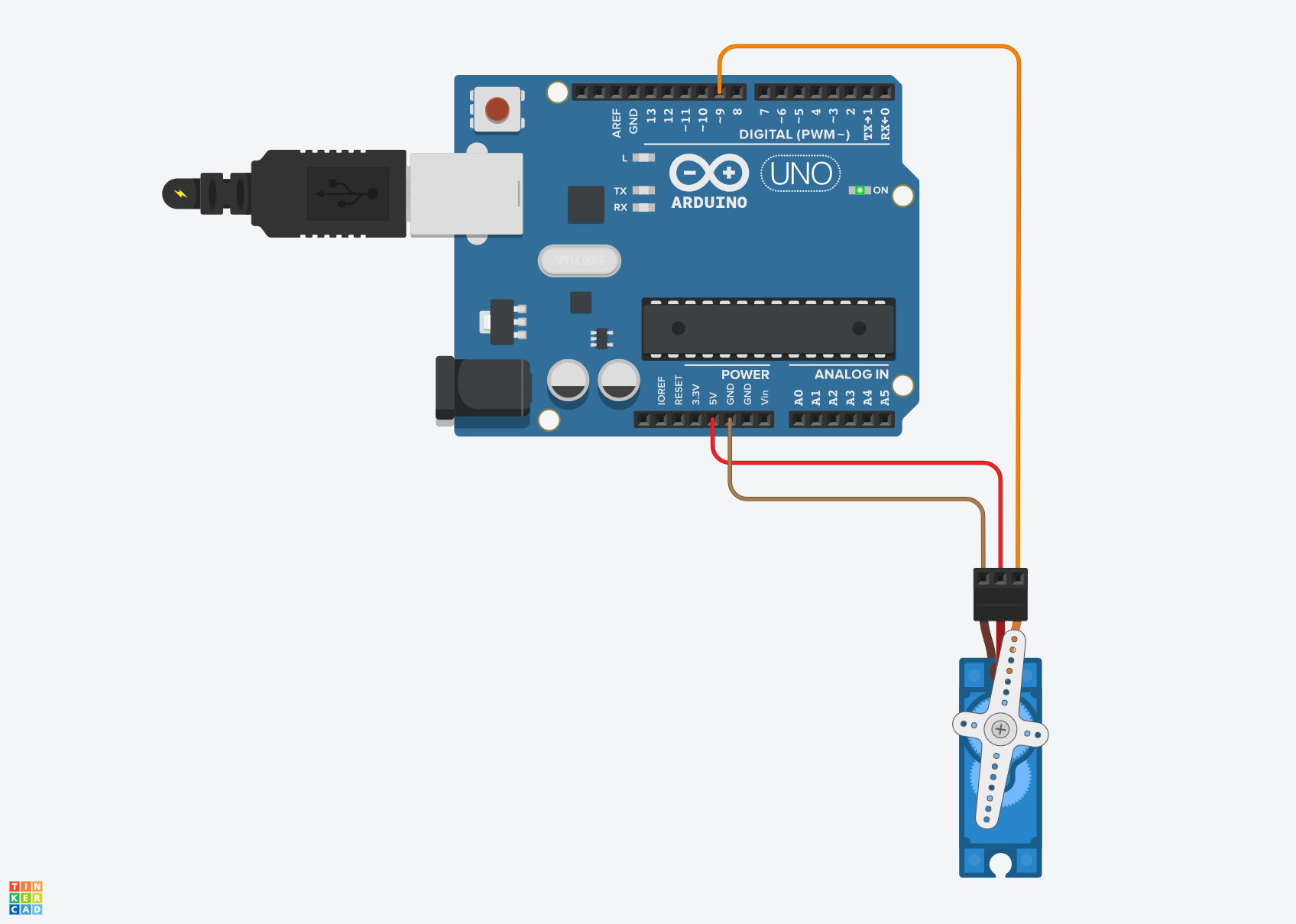
🔹 Step 2: Circuit Connection
| Arduino Pin | SG90 |
|---|---|
| 5V | Red (VCC) |
| GND | Brown (GND) |
| Pin 9 (PWM) | Orange (Signal) |
🔹 Step 3: Code for Basic Servo Control
If using Arduino, you can use the standard Servo.h library.
🔹 Code for Arduino (Basic Servo Movement)
#include <Servo.h>

Servo myServo;

void setup() {
    myServo.attach(9);  // Servo connected to Pin 9
}

void loop() {
    myServo.write(0);
    delay(1000);
    myServo.write(90);
    delay(1000);
    myServo.write(180);
    delay(1000);
}
🔹 Step 4: Upload Code
🔹 What’s Next?
✅ Once you get the servo moving, we can:
- Add a second servo for more movement
- Use a potentiometer for manual control
- Start designing a simple robotic leg or arm